The question of whether public schools are ready for the 21st century has been debated for decades. In 2026, the conversation is more relevant than ever. Artificial intelligence, rapid workforce changes, mental health challenges, and evolving expectations from families have transformed what students need from their education.
While public schools have made significant progress in areas such as technology integration, personalized learning, and career readiness, challenges remain. Funding disparities, teacher shortages, and uneven access to advanced learning opportunities continue to affect how effectively schools prepare students for the future.
So, are public schools ready for the 21st century in 2026? The answer is increasingly positive, but readiness varies widely across districts and communities.
What Does a 21st-Century Education Look Like?
For many years, academic success was measured primarily through standardized testing and content mastery. Today's employers and higher education institutions increasingly value a broader set of skills, including:
- Critical thinking
- Problem-solving
- Communication
- Collaboration
- Digital literacy
- Adaptability
- Creativity
- Civic engagement
According to the World Economic Forum's Future of Jobs research, analytical thinking, resilience, technological literacy, and lifelong learning are among the most important workforce skills for the coming decade.
Modern public schools are increasingly shifting toward instructional models that develop these competencies alongside traditional academic subjects.
Where Public Schools Have Made Significant Progress
Technology Integration Has Become Standard
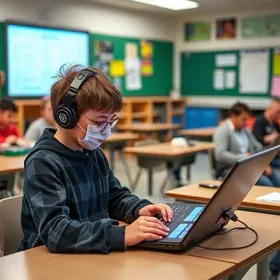
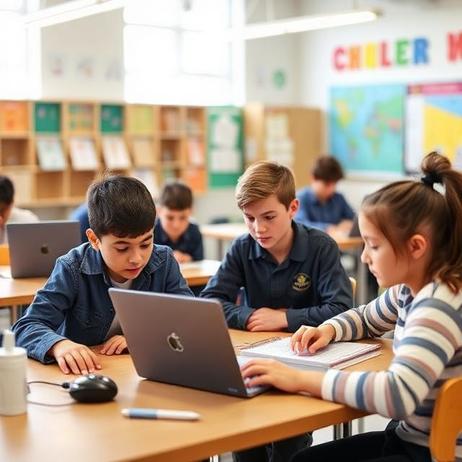
The pandemic-era acceleration of educational technology permanently changed classroom instruction. Many districts now provide students with devices, cloud-based learning platforms, and digital collaboration tools.
Technology is no longer viewed as an add-on. Instead, it has become part of daily instruction, assessment, communication, and intervention strategies.
Parents interested in this evolution can learn more in Technology in Public Schools.
The challenge in 2026 is no longer whether technology exists in schools. The focus has shifted toward how effectively it is used to improve learning outcomes.
Career and College Readiness Programs Are Expanding
Public schools have increasingly embraced career-focused education. Across the country, districts are expanding:
- Career and technical education (CTE)
- Industry certifications
- Dual-enrollment opportunities
- Internship programs
- Workforce partnerships
Many students now graduate with college credits, technical credentials, or direct pathways into high-demand careers.
The growing emphasis on career readiness reflects recognition that success after graduation may follow multiple pathways, not solely a traditional four-year college route.
Project-Based Learning Continues to Grow
Traditional lecture-based instruction remains important, but many schools are incorporating more hands-on learning experiences.
Project-based learning encourages students to apply knowledge to real-world problems while developing collaboration and communication skills. Research has shown that well-designed project-based learning can improve student engagement and support deeper understanding of academic content.
For a closer look at this instructional model, see What Is Project-Based Learning?.
Student Wellness Has Become a Priority
A major shift in recent years has been the recognition that academic achievement and student well-being are closely connected.
Districts are investing more resources into:
- School counselors
- Social-emotional learning programs
- Mental health services
- School-based health partnerships
- Attendance and engagement initiatives
This trend reflects growing awareness that students learn best when their emotional and psychological needs are addressed alongside academics.
Families can explore this topic further in Public Schools Supporting Student Mental Health in 2026.
The Rise of Artificial Intelligence in Schools
Perhaps the biggest educational development since the original 21st-century readiness discussions is the emergence of generative artificial intelligence.
In 2026, many districts have moved beyond simply restricting AI tools. Instead, educators are beginning to teach students how to use AI responsibly and effectively.
Schools are exploring how AI can help students:
- Conduct research
- Generate ideas
- Receive personalized feedback
- Practice writing and communication skills
- Develop digital literacy
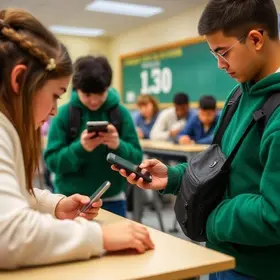
At the same time, educators continue to address concerns surrounding academic integrity, privacy, bias, and overreliance on technology.
The challenge is preparing students for a world where AI will be a routine workplace tool while ensuring they continue developing independent thinking skills.
Areas Where Public Schools Still Face Challenges
Despite notable progress, several obstacles continue to affect 21st-century readiness.
Funding Inequities
Access to advanced coursework, technology, career pathways, and extracurricular opportunities often depends on local funding levels.
Students in affluent districts frequently have greater access to:
- Advanced STEM programs
- Modern facilities
- Specialized teachers
- Career exploration opportunities
Reducing these disparities remains a major national challenge.
According to the National Center for Education Statistics, significant differences in educational resources persist among districts and states.
Teacher Recruitment and Retention
Many districts continue to struggle with staffing shortages.
High-demand areas such as:
- Mathematics
- Science
- Special education
- Career and technical education
- School counseling
remain difficult to fill in many regions.
Preparing students for future careers depends heavily on maintaining a stable, well-trained educator workforce.
Balancing Innovation With Accountability
Public schools must often balance innovative teaching practices with accountability systems that emphasize measurable outcomes.
While project-based learning, interdisciplinary instruction, and personalized learning are growing, schools must still meet state testing requirements and graduation standards.
Finding the right balance remains an ongoing challenge for district leaders.
How Public Schools Compare to the Needs of Today's Workforce
The table below highlights areas of progress and continuing challenges.
| Workforce Need | Public School Progress in 2026 | Remaining Challenges |
|---|---|---|
| Digital literacy | Strong improvement nationwide | Access gaps remain |
| Collaboration skills | Increasing use of team-based learning | Inconsistent implementation |
| Critical thinking | Greater emphasis in curriculum | Testing pressures can limit flexibility |
| Career readiness | Significant expansion of CTE and dual enrollment | Uneven availability across districts |
| Mental health support | Growing investment nationwide | Counselor shortages persist |
| AI literacy | Emerging area of focus | Policies still developing |
| Equity of opportunity | Awareness increasing | Funding disparities continue |
What Experts Are Watching in 2026
Education researchers and policymakers are paying close attention to several emerging trends:
Personalized Learning
Advances in educational technology are making individualized instruction more practical at scale.
Workforce Alignment
States continue developing stronger partnerships between school districts, colleges, and employers.
Digital Citizenship
Schools are placing greater emphasis on responsible technology use, online safety, media literacy, and ethical AI practices.
Community and School Climate
Many districts are recognizing that belonging and engagement influence academic outcomes. Efforts to strengthen school culture have become increasingly important, as discussed in How Public Schools Create School Spirit in 2026.
What Parents Should Look For
Parents evaluating whether a school is preparing students for the future should consider questions such as:
- Does the school integrate technology meaningfully?
- Are students engaged in problem-solving and collaborative learning?
- What career and college readiness opportunities are available?
- How does the school support student mental health?
- Are students learning digital citizenship and AI literacy?
- Does the school offer extracurricular opportunities that develop leadership and teamwork?
Resources such as the U.S. Department of Education, the National Center for Education Statistics, and the Education Commission of the States provide additional information about national education trends and policy developments.
Conclusion
So, are public schools ready for the 21st century in 2026?
Compared with even five years ago, many public schools are far better positioned to prepare students for a rapidly changing world. Technology integration, career readiness programs, mental health supports, and innovative instructional practices have become increasingly common.
However, readiness remains uneven. Funding inequities, staffing shortages, and gaps in access continue to create different experiences for students across the country.
The most successful schools are those that balance academic rigor with adaptability, helping students master core subjects while developing the critical thinking, communication, technological, and interpersonal skills required for the future. As public education continues to evolve, the question is no longer whether schools should prepare students for the 21st century, but how effectively they can do so for every student.