Evaluating Public Schools

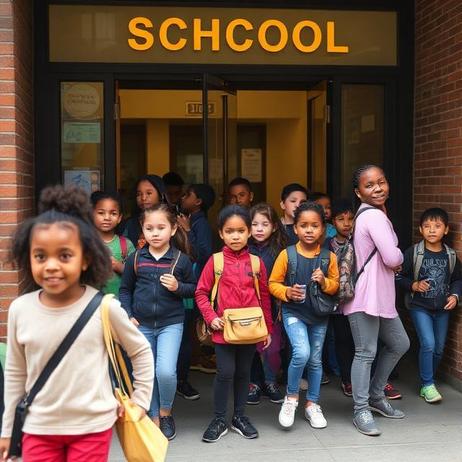
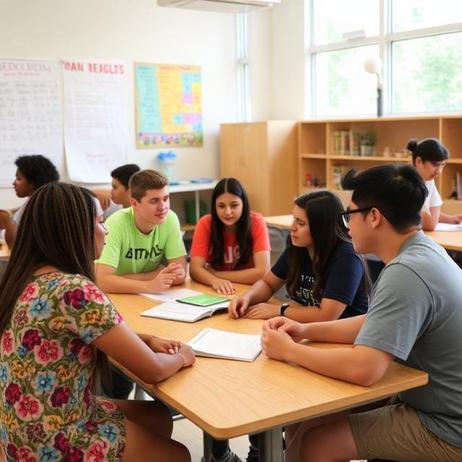
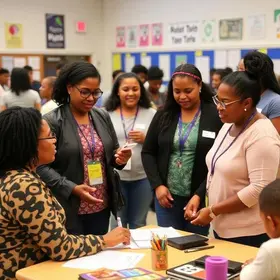
This section provides tools to aid in finding the best public school option for your child. Compare private and public schools, explore school zoning issues, and delve into the public school grading and ranking system. Find information on the safest schools and what they are doing right.

View the most popular articles in Evaluating Public Schools:

The Pros and Cons of Tracking in Schools Today

Updated
The Pros and Cons of Tracking in Schools Today
Explore the advantages and drawbacks of academic tracking in today’s public schools, including equity, outcomes, and what parents should consider.

The Pros and Cons of Tracking in Schools

Academic tracking, sometimes called ability grouping, is a long-standing practice in U.S. public education. Schools group students into different classes or course levels based on perceived academic ability, standardized test performance, or teacher recommendations. These tracks often begin in elementary school and become more formalized in middle and high school through honors, advanced placement, and remedial coursework.

Supporters argue that tracking allows schools to meet students where they are academically, while critics raise concerns about equity, access, and long-term outcomes. As districts face widening achievement gaps, post-pandemic learning loss, and increased scrutiny from families, tracking remains a complex and highly relevant issue.

This updated overview examines how tracking works today, the potential benefits and drawbacks, and what parents should consider when navigating tracked systems in current public schools.

What Is Academic Tracking?

Tracking refers to the practice of separating students into different learning pathways based on academic performance or perceived ability. These pathways may include advanced or gifted programs, grade-level classes, and remedial or intervention-focused instruction.

In 2025, tracking looks different than it did a decade ago. Many districts have shifted away from rigid labels and toward flexible grouping, competency-based progression, or course-by-course placement rather than permanent tracks. However, traditional tracking remains common, especially in middle and high schools where course sequencing affects graduation requirements and college readiness.

Placement decisions typically rely on a combination of factors, including standardized test scores, classroom performance,

. . .read more

School Choice in 2026: What Parents Must Know

Updated
|
School Choice in 2026: What Parents Must Know
Explore how school choice is reshaping U.S. education in 2026, with updated trends, enrollment data, costs, policies, and practical guidance for parents.

How School Choice is Changing Education in 2026

School choice has moved from the periphery of U.S. education policy to a central factor in how families plan for their children’s schooling. As more families seek options beyond traditional neighborhood schools, policy changes, enrollment patterns, and education spending have shifted significantly over the past few years. This article outlines the state of school choice in 2026 and what parents should know as they make critical decisions about their children’s educational futures.

Enrollment Shifts and Student Choice Trends

As of 2026, the landscape of student enrollment shows meaningful diversification across schooling sectors. According to the most recent data from EdChoice, a national tracker of school choice participation:

  • 74.0 percent of students attend traditional public schools

  • 7.2 percent attend charter schools

  • 6.1 percent attend private schools outside choice programs

  • 4.8 percent are homeschooled

  • 2.8 percent participate in school choice programs (such as vouchers or education savings accounts)

These figures reflect persistent parental demand for alternatives that better match children’s academic needs, learning styles, or family values. While traditional public schools still enroll the majority of students, choice options are growing faster than the overall education system.

Enrollment choices vary widely by state, with some jurisdictions reporting double-digit increases in private school and ESA participation when universal eligibility is offered. For

. . .read more

Public School Rankings: Are They Accurate?

Updated
|
Public School Rankings: Are They Accurate?
Explore how accurate public school rankings really are, their limitations, and how parents can interpret them in 2026.

Public School Rankings: Are They Accurate?

Every year parents, students, and educators pore over public school rankings to guide educational decisions. But in 2026, with new data, updated methodologies, and a shifting education landscape, the question remains: Do public school rankings truly reflect school quality? This article updates earlier insights with the latest research, policy developments, and expert perspectives to help families understand what school rankings can—and cannot—tell us.

What Public School Rankings Are—and What They Aren’t

Public school rankings aim to condense complex performance data into a single score or position that families can use to compare schools. Organizations like U.S. News & World Report and Niche publish annual rankings of thousands of public schools nationwide, blending test scores, graduation rates, and other metrics to produce lists of “top” schools. For example, the U.S. News 2025–2026 Best High Schools rankings evaluated nearly 24,000 public high schools, with about 18,000 ultimately ranked based on six key factors including graduation rates and college readiness.

However, there is no official federal nationwide school ranking system. The U.S. Department of Education’s National Center for Education Statistics publishes data on school performance and demographics, but it does not rank schools nationally. This reflects the highly decentralized nature of U.S. education, where states and districts retain major control over assessments and accountability policies.

How Rankings Are Calculated

Most rankings rely heavily on data that are consistently available across schools and states. These typically include:

. . .read more

School Zoning Changes 2026: How Assignments May Shift

Updated
|
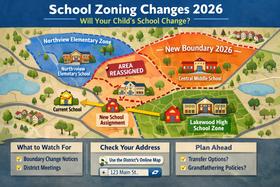
School Zoning Changes 2026: How Assignments May Shift
School Zoning Changes 2026 could affect your child’s school assignment. Learn how zoning works, what is changing, and how families can prepare.

School Zoning Changes 2026: How to Know if It Affects Your Child’s Assignment

School zoning determines which public school a child is assigned to based on where a family lives. For many households, zoning decisions shape daily routines, home values, academic options, and long-term educational planning. As districts across the country prepare for School Zoning Changes 2026, families are asking an urgent question: will these changes affect my child’s school assignment?

School Zoning Changes 2026 are being driven by enrollment shifts, housing development, capacity imbalances, and equity initiatives. While zoning updates are routine, the scale of proposed adjustments in 2026 has elevated concerns among parents, educators, and policymakers. Understanding how School Zoning Changes 2026 work, where they are happening, and what steps families should take can help reduce uncertainty and protect educational continuity.

This guide explains School Zoning Changes 2026 in clear terms, outlines warning signs that your assignment may change, and provides practical steps families can take now.

What Are School Zoning Changes 2026

School zoning refers to geographic attendance boundaries established by public school districts. These boundaries determine which elementary, middle, or high school a student attends by default. School Zoning Changes 2026 involve district-approved updates to these boundaries that take effect during the 2026 academic year.

School Zoning Changes 2026 are not random. They are typically the result of long-term planning cycles that account for:

  • Population growth or decline

. . .read more

School Vouchers: Updated Pros and Cons (2025 Review)

Updated
|
School Vouchers: Updated Pros and Cons (2025 Review)
Comprehensive 2025 analysis of school vouchers, weighing benefits and challenges for families, funding, outcomes, and policy directions.

School Vouchers: Pros and Cons (2025 Update)

School vouchers remain one of the most polarizing education policy debates in the United States. Advocates describe them as a powerful tool for expanding parental choice and improving educational opportunities. Critics argue voucher programs divert essential funds from public schools, exacerbate inequities, and lack evidence of consistent academic gains. This 2025 update of School Vouchers: Pros and Cons preserves the original structure and style of the foundational article while integrating the latest data, policy developments, research insights, and real-world examples that matter for families, educators, and policymakers today.

What Are School Vouchers?

School vouchers are publicly funded scholarships that allow families to use a portion of the funds typically allocated to public schools toward tuition at private schools, including religious, secular, and alternative options. In some states these take the form of traditional vouchers; in others, they operate through education savings accounts (ESAs). Participation and program design vary widely by state and locality. According to EdChoice, there are currently 23 voucher programs in 15 states plus Washington, D.C. and Puerto Rico, with an estimated about 350,000 voucher recipients nationwide in 2024–25.

Voucher advocates argue this model empowers families with more educational choice and stimulates competition that could improve all schools. Opponents warn voucher programs dilute public school funding and produce mixed results for student outcomes. Researchers and advocacy organizations remain sharply divided on evidence supporting these claims.

National Scope

. . .read more

Recent Articles

The ROI of Public High School in 2026: Which Programs Actually Improve College and Career Outcomes?
Which public high school programs deliver real college and career results in 2026? Compare AP, IB, dual enrollment, CTE, and early college outcomes.
Spring Parent-Teacher Conferences: Key Questions
Spring Parent-Teacher Conferences: Questions Every Parent Should Ask to support academic growth, social development, and 2026 classroom goals.
Prepare for Spring Tests Without Anxiety
Learn how to prepare for spring standardized tests without increasing anxiety using proven strategies for families and schools.

Evaluating Public Schools

SCHOOL ZONING
Learn more about zoning rules, how they impact schools and your child. This section offers information on the history of school zones, what they are, and how they work. Get information on who decides school boundaries and the impact those decisions have on the community.
GETTING STARTED
An overview of school designations, best practices for evaluating your options, and tips on choosing the best school for your child. Learn about Blue Ribbon, Vocational and Special Education schools. Get tips on finding the right school in a new neighborhood, city or state.
GRADING AND RANKING SCHOOLS
Explore the public school grading/ranking system, how it works and what it means. Get latest national rankings and read what critics of school grading have to say. Take a look at the nation’s top performing schools as ranked by U.S. News and Newsweek.
PUBLIC SCHOOL SAFETY
A comprehensive look at the safety of US public schools. Learn what schools are doing to combat gangs and drugs, prepare for natural disasters, and protect your children from predators. From web cameras to armed guards, see what tools public schools are employing to keep kids safe.
PUBLIC VS. PRIVATE SCHOOLS
A comparison of public and private schools, the pros and cons of each, and a look at the cost of getting a stellar education at both. Take a look at some of the most expensive schools, notable public school alumni, and learn more about “private” public schools.
Notice: Javascript file does not exist: /home/devsarath/workspace/psr/public_html/javascript/components/popper.min.js in /home/devsarath/workspace/psr/public_html/include/srn_lib/shared/misc/JSCompiler.inc.php on line 241 Notice: Javascript file does not exist: /home/devsarath/workspace/psr/public_html/javascript/components/tippy.min.js in /home/devsarath/workspace/psr/public_html/include/srn_lib/shared/misc/JSCompiler.inc.php on line 241 Notice: Directory does not exist in /home/devsarath/workspace/psr/public_html/include/srn_lib/shared/misc/JSCompiler.inc.php on line 241 Notice: Unable to save compiled js file in /home/devsarath/workspace/psr/public_html/include/srn_lib/shared/misc/JSCompiler.inc.php on line 241