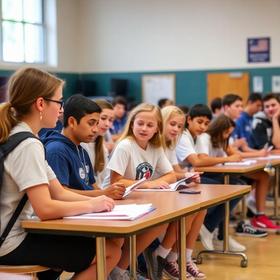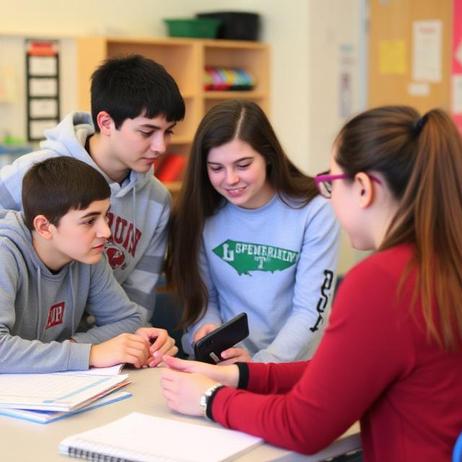
The first quarter of the school year often arrives with enthusiasm, fresh supplies, and ambitious goals. By the time report cards are issued, however, many students experience a noticeable decline in motivation. The novelty of a new school year fades, academic demands increase, extracurricular schedules become busier, and students may begin to feel overwhelmed or discouraged.
Helping students stay motivated after the first quarter is one of the most important challenges facing parents, teachers, and school leaders. Students who maintain momentum during the middle months of the academic year are more likely to improve their grades, develop stronger study habits, and finish the year with confidence.
As schools continue to address academic recovery, student well-being, and engagement initiatives in 2026, sustaining motivation has become an even greater priority. Fortunately, research and experience suggest that a combination of goal setting, positive reinforcement, and meaningful support can help students remain focused long after the excitement of the first day of school has passed.
Why Motivation Often Declines After the First Quarter
The first quarter serves as an adjustment period. Students learn classroom expectations, establish routines, and often receive early feedback on their academic performance.
Several factors can contribute to a midyear motivational slump:
- Academic work becomes more challenging.
- Students encounter lower-than-expected grades.
- Long-term projects begin to accumulate.
- Sports and extracurricular commitments increase.
- Fatigue develops as the school year progresses.
- Social pressures become more prominent.
According to research from the American Psychological Association, student motivation is closely linked to feelings of competence, autonomy, and connection. When students struggle in one or more of these areas, engagement frequently declines.
Recognizing the causes of decreased motivation allows adults to intervene before minor setbacks become larger academic problems.
Signs That a Student Is Losing Motivation
Parents and educators should watch for early indicators that motivation is slipping.
Common warning signs include:
|
Academic Indicators |
Behavioral Indicators |
|
Missing assignments |
Increased procrastination |
|
Declining grades |
Reduced participation |
|
Incomplete homework |
Frequent complaints about school |
|
Less classroom engagement |
Withdrawal from activities |
|
Poor test preparation |
Negative self-talk |
Not every student will display the same symptoms. Some become disengaged quietly, while others express frustration more openly.
Early recognition is often the key to reversing the trend.
Revisit Goals and Celebrate Progress
One of the most effective strategies for helping students stay motivated after the first quarter is revisiting goals established at the beginning of the year.
Students frequently set broad objectives such as:
- Earn better grades
- Improve attendance
- Join a club
- Develop stronger study habits
By October or November, those goals may feel distant or unrealistic.
Instead, encourage students to break larger ambitions into smaller milestones.
For example:
|
Long-Term Goal |
Short-Term Milestone |
|
Raise math grade |
Improve next quiz score by 5% |
|
Read more books |
Complete one book this month |
|
Improve organization |
Use planner daily for two weeks |
|
Increase participation |
Contribute once per class period |
Small successes create momentum. Students who recognize progress are more likely to remain committed to larger goals.
Shift the Focus From Grades to Growth
Grades matter, but they should not become the sole measure of success.
Research on growth mindset, popularized through the work of psychologist Carol Dweck, suggests that students perform better when they view intelligence and skills as developable rather than fixed.
Parents and educators can reinforce this mindset by emphasizing:
- Effort
- Improvement
- Persistence
- Problem-solving
- Learning from mistakes
Instead of asking:
"What grade did you get?"
Consider asking:
- What did you learn this week?
- What challenged you?
- What are you improving?
- What strategy helped you succeed?
This subtle shift encourages students to value learning itself rather than focusing exclusively on outcomes.
Additional growth mindset resources are available through the National Center on Improving Literacy.
Help Students Connect Learning to Real Life
Motivation increases when students understand why their learning matters.
Many students lose interest when coursework feels disconnected from their lives.
Parents and teachers can strengthen relevance by connecting classroom concepts to:
- Future careers
- Current events
- Community issues
- Personal interests
- Everyday problem-solving
For example:
- Math can be connected to budgeting and financial literacy.
- Science can be linked to environmental challenges and technology.
- Writing skills can support future careers across nearly every industry.
- History can help students understand contemporary events.
When students see practical applications, academic tasks become more meaningful.
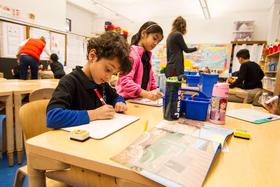
Create Manageable Study Routines
As the school year progresses, workloads often increase substantially.
Students who lack structure may become overwhelmed and disengaged.
A manageable study routine helps reduce stress and improve consistency.
Effective routines typically include:
- A dedicated study space
- Scheduled homework time
- Limited distractions
- Regular breaks
- Weekly planning sessions
The U.S. Department of Education continues to emphasize the importance of strong home-school partnerships and consistent learning routines in supporting student achievement.
Parents should focus on creating supportive environments rather than acting as constant monitors.
The goal is independence, not dependence.
Encourage Student Ownership
One reason motivation declines is that students may feel school is something happening to them rather than something they actively control.
Student ownership increases engagement.
Opportunities for ownership include:
- Setting personal goals
- Tracking academic progress
- Choosing project topics
- Reflecting on strengths and challenges
- Participating in academic planning conversations
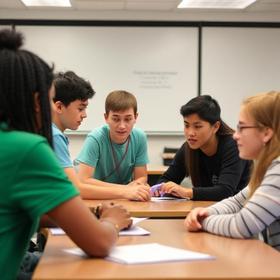
Teachers can support autonomy by offering appropriate choices within assignments and classroom activities.
Parents can support autonomy by involving students in discussions about schedules, priorities, and improvement plans.
Students are more motivated when they feel responsible for their own success.
Support Mental Health and Well-Being
Academic motivation is closely connected to emotional well-being.
In recent years, schools have increasingly focused on student mental health as concerns about anxiety, stress, and burnout have grown nationwide.
The Centers for Disease Control and Prevention notes that supportive relationships and positive school environments play a critical role in student success.
Parents and educators should pay attention to:
- Sleep habits
- Stress levels
- Social relationships
- Physical activity
- Screen time balance
A student who is exhausted, anxious, or overwhelmed may appear unmotivated when the underlying issue is actually emotional strain.
Supporting well-being creates the conditions necessary for sustained academic engagement.
Use Positive Reinforcement Strategically
Positive reinforcement remains one of the most effective motivational tools.
However, praise is most effective when it is specific.
Instead of saying:
"Good job."
Try:
- "I noticed how much effort you put into that project."
- "You stayed focused even when the assignment was difficult."
- "Your organization has improved significantly this month."
Specific feedback reinforces productive behaviors and helps students understand what contributed to their success.
Recognition does not always need to involve rewards.
Many students respond positively to:
- Increased responsibility
- Verbal encouragement
- Leadership opportunities
- Family recognition
- Teacher acknowledgment
Strengthen School-Home Communication
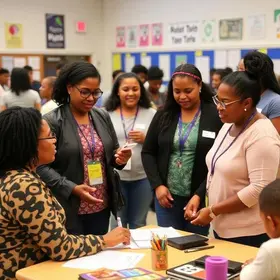
Helping students stay motivated after the first quarter becomes easier when parents and educators work together.
Regular communication can identify concerns before they escalate.
Effective communication may include:
- Parent-teacher conferences
- Progress reports
- Email updates
- Student-led conferences
- Shared goal-setting discussions
When students receive consistent messages from both home and school, expectations become clearer and support systems become stronger.
Looking Ahead to the Second Half of the School Year
The period after the first quarter often determines how the remainder of the school year unfolds. Students who regain focus early are more likely to maintain positive habits through winter, spring testing periods, and year-end assessments.
Motivation is rarely constant. Nearly every student experiences periods of frustration, distraction, or self-doubt. What matters most is the presence of supportive adults who can help students reconnect with their goals, recognize progress, and develop resilience.
For parents and educators, helping students stay motivated after the first quarter is not about demanding perfection. It is about creating an environment where students feel capable, supported, and engaged in their own learning journey.
When schools and families work together to foster growth, autonomy, and well-being, students are better positioned to finish the school year stronger than they started.