School safety policies in 2026 look very different from the security plans many districts relied on just a few years ago. Today’s public schools are balancing physical security, mental health support, digital monitoring, emergency preparedness, and student privacy concerns, all while trying to maintain welcoming learning environments.
For parents, educators, and students, understanding school safety policies is increasingly important. Safety plans now extend beyond locked doors and emergency drills. Districts are investing in anonymous reporting systems, behavioral threat assessment teams, cybersecurity protections, and expanded mental health services.
At the same time, schools face growing scrutiny over how much surveillance is appropriate, how student data is handled, and whether safety measures are actually improving outcomes.
This guide explains how school safety policies are changing in 2026, what families should expect from their local schools, and which trends are shaping the future of campus safety.
What Are School Safety Policies?
School safety policies are the procedures, systems, and rules designed to protect students, teachers, staff, and visitors from harm. These policies typically cover:
Emergency response procedures
Campus access controls
Bullying prevention
Mental health intervention
Threat assessment protocols
Digital and cybersecurity protections
Communication systems for families
Crisis recovery plans
Most districts now approach school safety using a layered model. Instead of relying on a single security solution, schools combine prevention, intervention, and emergency response strategies.
According to the National Center for Education Statistics, nearly all U.S. public schools now control building access during school hours and require visitor check-ins with identification badges. Security camera use has also expanded significantly over the past decade.
The Biggest School Safety Trends in 2026
Mental Health Is Now Central to School Safety
One of the biggest changes in school safety policies is the growing emphasis on mental health services.
District leaders increasingly recognize that prevention starts long before a crisis occurs. Many schools now include counselors, psychologists, social workers, and behavioral specialists as part of their core safety teams.
In 2026, common mental health-related safety initiatives include:
Expanded access to school counselors
Social-emotional learning programs
Behavioral threat assessment teams
Anonymous student reporting systems
Suicide prevention training
Trauma-informed discipline policies
This shift reflects broader national conversations about youth mental health following years of pandemic-related disruptions, social media pressures, and rising anxiety among students.
Several states have also expanded funding for school-based mental health partnerships with local healthcare providers and community agencies.
Anonymous Reporting Systems Are Expanding
Anonymous tip lines are becoming a standard part of school safety policies nationwide.
Students can now report threats, bullying concerns, self-harm risks, or suspicious behavior through apps, websites, or text-based systems without revealing their identities.
For many districts, these systems are viewed as preventive tools rather than disciplinary tools. The goal is to encourage early intervention before problems escalate.
AI and Digital Monitoring Raise New Questions
Artificial intelligence is playing a larger role in school safety policies in 2026.
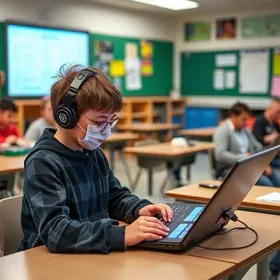
Some districts now use AI-powered software to monitor school-issued devices for warning signs related to:
Self-harm
Violence
Cyberbullying
Threatening language
Explicit content
Supporters argue these systems can identify students in crisis earlier than traditional reporting methods. Critics, however, warn about privacy concerns, false positives, and over-surveillance.
A growing number of parents are asking districts important questions, including:
What student data is being monitored?
Who can access flagged information?
How long is data stored?
Are parents notified when monitoring tools are used?
What safeguards exist against misuse?
As schools adopt more technology-based safety tools, transparency policies are becoming increasingly important.
Physical Security Measures Continue to Evolve
While mental health initiatives receive more attention, physical security remains a major component of school safety policies.
Common Security Measures in 2026
|
Security Measure |
Typical Use in Public Schools |
|---|---|
|
Controlled building access |
Standard in most districts |
|
Visitor management systems |
Widely used |
|
Security cameras |
Nearly universal |
|
School resource officers |
Common in secondary schools |
|
Emergency notification apps |
Increasing rapidly |
|
Single-point entry systems |
Growing adoption |
|
Vape and weapon detection sensors |
Emerging trend |
Many districts are also redesigning school entrances to improve visibility and reduce unauthorized access.
However, schools are trying to avoid creating environments that feel overly restrictive or intimidating for students. This balance between safety and school climate remains a major debate among educators and families.
Behavioral Threat Assessment Teams Are Becoming Standard
Behavioral threat assessment teams are now a core feature of many school safety policies.
These multidisciplinary teams often include:
Administrators
Counselors
School psychologists
Law enforcement representatives
Teachers
Special education staff
Their purpose is to evaluate concerning behavior and determine whether intervention is needed.
Importantly, threat assessment programs focus on behavior patterns and support systems rather than punishment alone. Students identified as struggling may receive counseling, conflict resolution support, academic intervention, or referrals to outside services.
Federal agencies, including the U.S. Department of Education and the U.S. Secret Service, have increasingly promoted evidence-based threat assessment models over purely reactive security approaches.
https://www.secretservice.gov/sites/default/files/reports/2021-11/Protecting_Americas_Schools.pdf
Emergency Preparedness Is More Comprehensive
School emergency planning has become far more detailed since the early 2020s.
Modern school safety policies typically address:
Active threat situations
Severe weather events
Cyberattacks
Medical emergencies
Utility failures
Transportation incidents
Community violence spillover
Districts are also improving communication systems with parents during emergencies. Many schools now use real-time mobile alerts, multilingual notifications, and centralized emergency communication platforms.
In some states, schools are conducting reunification drills that prepare families for emergency pickup procedures after a crisis.
The Federal Emergency Management Agency continues to provide guidance for K-12 emergency planning and school preparedness.
https://www.ready.gov/schools
Cybersecurity Is Now a School Safety Issue
As schools rely more heavily on digital systems, cybersecurity has become a critical part of school safety policies.
Districts increasingly face threats such as:
Ransomware attacks
Student data breaches
Disrupted learning systems
Unauthorized access to records
AI-generated phishing attempts
Because schools store sensitive student and employee information, cybersecurity failures can quickly become safety and operational crises.
In response, many districts are now:
Requiring cybersecurity training for staff
Implementing multi-factor authentication
Updating data privacy policies
Limiting access to sensitive records
Conducting cybersecurity audits
Cybersecurity planning is especially important as districts expand one-to-one device programs and cloud-based learning platforms.
How Parents Can Evaluate a School’s Safety Policies
Parents do not need to become security experts to evaluate whether a school’s safety policies are strong and balanced.
Instead, families should look for evidence that schools prioritize both prevention and communication.
Questions Parents Should Ask
Does the school have a clear emergency response plan?
How are bullying and online harassment handled?
Are mental health services available on campus?
Does the district use behavioral threat assessment teams?
How are parents informed during emergencies?
What digital monitoring tools are used?
How is student privacy protected?
Are safety drills age-appropriate and trauma-informed?
Parents should also review district handbooks and school board policies, many of which are now publicly available online.
The Challenge of Balancing Safety and Student Well-Being
One of the defining conversations around school safety policies in 2026 is balance.
Communities want schools to prevent violence and respond quickly to threats. At the same time, families and educators worry about creating environments dominated by fear, surveillance, or excessive discipline.
Experts increasingly emphasize that effective school safety policies should support:
Physical safety
Emotional well-being
Student trust
Healthy school climate
Equitable discipline practices
Family engagement
Research continues to show that students are more likely to report concerns and seek help when they feel connected to trusted adults at school.
Final Thoughts
Understanding school safety policies in 2026 requires looking beyond metal detectors and lockdown drills. Modern school safety is built around prevention, communication, mental health support, and coordinated response systems.
The most effective policies recognize that safety and student well-being are deeply connected. Schools that foster trust, strong relationships, and open communication are often better positioned to identify problems early and respond effectively.
For parents, staying informed about local school safety policies is no longer optional. As technology, mental health needs, and security expectations continue to evolve, families play an important role in shaping how schools create safe and supportive learning environments for every student.