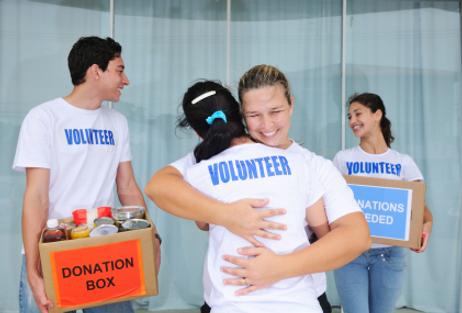
Biology, algebra, English, and history classes are often no longer sufficient on their own for high school graduation in 2026. With steadily rising graduation standards, many school districts now require students to complete community service or service-learning hours before earning their diplomas. As a result, many teens are finding unique and engaging ways to become involved in their local areas.
This shift reflects a broader change in how educators define student success. Academic achievement remains central, but schools increasingly expect students to demonstrate civic awareness, social responsibility, and real-world engagement before graduation.
Volunteer Requirements Across School Districts
States and major districts, including Maryland and large urban systems such as Chicago and Los Angeles, have implemented or expanded community service expectations as part of graduation requirements. For example, Los Angeles Unified School District continues to require students to complete a minimum number of verified community service hours with approved nonprofit or government organizations in order to graduate.
These requirements are not uniform across the country. Some districts mandate a specific number of hours, while others integrate service into coursework through structured service-learning programs. In many cases, schools provide approved lists of organizations, digital tracking systems, and faculty advisors to help students complete their hours efficiently and meaningfully.
Schools implementing these service requirements report both immediate and long-term benefits for students. As students volunteer, they are exposed to different cultures, social settings, personal backgrounds, and new experiences. With these experiences, public students are able to add depth to their learning and development, which helps them both as teenagers and adults.
Recent education research continues to support these observations. Studies published between 2023 and 2025 show that students who participate in structured community service demonstrate higher levels of engagement, improved attendance, and stronger interpersonal skills. These outcomes are particularly important as schools work to address post-pandemic learning gaps and social development challenges.
Mandates vs. Access: A Policy Divide
In contrast, some districts stop short of mandates and instead require schools to offer structured, accessible community service opportunities. In New York City and similar districts, education leaders continue to prioritize expanded access to voluntary service opportunities rather than strict mandates.
District policies now emphasize that schools should actively connect students with vetted service opportunities through school partnerships and community organizations. With approximately 1.1 million children in New York’s public schools, many community members believe that this step can be a force of incredible change for the city.
This distinction highlights an ongoing policy debate. Supporters of mandatory service argue that requirements ensure equity, guaranteeing that all students benefit from civic engagement. Critics, however, caution that strict mandates can create barriers for students balancing jobs, family responsibilities, or transportation challenges.
As a result, many districts are adopting hybrid approaches. These models combine optional service opportunities with strong institutional support, such as:
- On-campus service projects
- Partnerships with local nonprofits
- Transportation assistance
- Flexible scheduling, including summer and weekend options
These strategies aim to make service participation both accessible and meaningful, rather than simply a box to check for graduation.
The Vision of Service in Modern Education
To guide public schools and students in their quest for enhanced community involvement, there is an array of organizations devoted to boosting volunteerism opportunities. For example, AmeriCorps, formerly the Corporation for National and Community Service, is a leading federal agency focused on expanding civic engagement and volunteerism nationwide.
As CNCS reveals, “The mission of the Corporation for National and Community Service is to improve lives, strengthen communities, and foster civic engagement through service and volunteering.” AmeriCorps advances this mission through a range of national and local programs, with a strong emphasis on youth engagement and service-learning opportunities.
Programs such as service-learning initiatives supported by AmeriCorps and state education agencies continue to integrate community service into academic instruction. This project specifically supports schools and higher education institutions to engage their students, teachers, and parents in various service-learning opportunities.
This approach helps students build academic skills while developing civic responsibility through real-world experiences. Service-learning connects classroom instruction with meaningful community engagement, allowing students to apply academic knowledge while contributing to their communities.
For example, a biology class might partner with a local environmental organization to monitor water quality, while a history class could collaborate with a community archive or museum. These experiences deepen subject understanding while reinforcing the relevance of academic content.
Research continues to show that service-learning can improve academic outcomes, increase student engagement, and strengthen civic responsibility. Adding to these personal benefits for each student, this movement can also help lead to an overall stronger community.
Why Community Service Matters for Students
The growing emphasis on service is not simply about meeting graduation requirements. It reflects a broader educational philosophy that values the development of the whole student.
Key benefits include:
- Real-world skill development: Students gain experience in communication, teamwork, and problem-solving
- Career exploration: Volunteer work can introduce students to potential career paths
- Stronger college applications: Many colleges value sustained, meaningful service involvement
- Personal growth: Students often report increased confidence and empathy
In many ways, this philosophy mirrors the broader educational approach seen in other settings. For instance, the emphasis on experiential learning and personal development is also central to boarding education, where learning extends beyond the classroom into daily life and community engagement .
Challenges Families Should Consider
Despite its benefits, community service requirements can present challenges. Families should be aware of potential obstacles and plan accordingly.
Common challenges include:
- Limited access to transportation
- Scheduling conflicts with work or extracurricular activities
- Difficulty finding approved service opportunities
- Documentation and verification requirements
Schools are increasingly addressing these concerns through centralized platforms that track hours, approve organizations, and streamline reporting. Parents and students should familiarize themselves with these systems early in high school to avoid last-minute stress.
Does My Child Need to Volunteer?
If your teenager is in the upper grades of high school, it is important to confirm whether community service or service-learning hours are required for graduation. To find out more, check your child’s school website or be sure to attend your school’s PTA meetings to learn about the latest updates and mandates.
While service requirements are now well established in many districts, policies continue to evolve as schools expand civic engagement and career-readiness expectations. Some districts are even exploring digital service opportunities, such as virtual tutoring or remote nonprofit support, reflecting broader shifts in how students engage with their communities.
How to Get Started Early
Families can take proactive steps to make community service a positive and manageable experience:
- Start exploring opportunities in freshman or sophomore year
- Choose causes that align with student interests
- Track hours consistently using school-approved systems
- Build long-term relationships with organizations rather than switching frequently
Starting early allows students to engage more deeply and avoid the pressure of completing hours close to graduation deadlines.
Conclusion: A New Standard for Graduation
Community service graduation requirements in 2026 reflect a broader shift in education toward civic responsibility and real-world learning. While policies vary, the underlying goal remains consistent: to prepare students not only for college and careers, but also for active participation in their communities.
For families, understanding these requirements early is essential. With thoughtful planning and the right support, community service can become more than a graduation requirement, it can be a defining and transformative part of a student’s high school experience.