Garfield Online serves 705 students in grades Kindergarten-6.
The percentage of students achieving proficiency in math is <50% (which is higher than the Utah state average of 40%).
Minority enrollment is 16% of the student body (majority Hispanic), which is lower than the Utah state average of 31% (majority Hispanic).
Quick Facts (2026)
- Grades: Kindergarten-6
- Enrollment: 705 students
- Minority Enrollment: 16%
- Math Proficiency: <50% (Top 30% in UT)
- Source: National Center for Education Statistics (NCES), UT Dept. of Education
School Overview
Garfield Online's student population of 705 students has grown by 118% over five school years.
The teacher population of 6 teachers has grown by 500% over five school years.
Grades Offered
Grades Kindergarten-6
Total Students
705 students
Total Classroom Teachers
6 teachers
School Rankings
The diversity score of Garfield Online is 0.29, which is less than the diversity score at state average of 0.48. The school's diversity has stayed relatively flat over five school years.
Math Test Scores (% Proficient)
<50%
40%
Student-Teacher Ratio
n/a
21:1
American Indian
n/a
1%
Asian
n/a
2%
Hispanic
9%
21%
Black
n/a
1%
White
84%
69%
Hawaiian
1%
2%
Two or more races
6%
4%
All Ethnic Groups
Eligible for Free Lunch
10%
23%
Eligible for Reduced Lunch
1%
6%
School Statewide Testing
School District Name
Garfield School District
Source: National Center for Education Statistics (NCES), UT Dept. of Education
Frequently Asked Questions
How many students attend Garfield Online?
705 students attend Garfield Online.
What is the racial composition of the student body?
84% of Garfield Online students are White, 9% of students are Hispanic, 6% of students are Two or more races, and 1% of students are Hawaiian.
What grades does Garfield Online offer ?
Garfield Online offers enrollment in grades Kindergarten-6
What school district is Garfield Online part of?
Garfield Online is part of Garfield School District.
School Reviews
Review Garfield Online. Reviews should be a few sentences in length. Please include any comments on:
- Quality of academic programs, teachers, and facilities
- Availability of music, art, sports and other extracurricular activities
Recent Articles
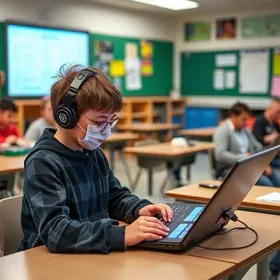
AI Report Cards: Should Schools Evaluate AI Use?
Explore whether schools should assess student AI use, the benefits, risks, and what responsible AI report cards could look like in 2026.
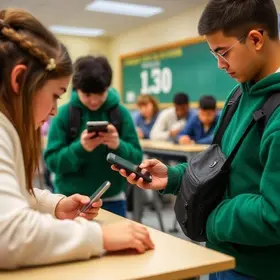
The Parent’s Guide to School Cell Phone Bans in 2026
Learn how school cell phone bans work in 2026, why districts are adopting them, and what parents should expect.
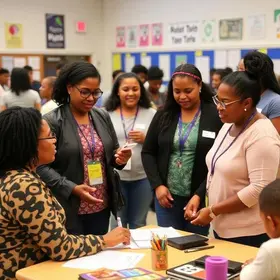
Parental Involvement in Public Schools: 2026 Update
Explore the latest 2026 trends, research, and strategies shaping parental involvement in public schools and student success.