
For the 2026 school year, there is 1 public school serving 1,618 students in South Easton, MA (there are 2 private schools, serving 122 private students). 93% of all K-12 students in South Easton, MA are educated in public schools (compared to the MA state average of 88%).
The top-ranked public school in South Easton, MA is Southeastern Regional Vocational Technical. Overall testing rank is based on a school's combined math and reading proficiency test score ranking.
South Easton, MA public school have an average math proficiency score of 45% (versus the Massachusetts public school average of 43%), and reading proficiency score of 58% (versus the 45% statewide average). Schools in South Easton have an average ranking of 7/10, which is in the top 50% of Massachusetts public schools.
Minority enrollment is 66% of the student body (majority Black), which is more than the Massachusetts public school average of 49% (majority Hispanic).
Best Public Schools in South Easton, MA (2026)
School
(Math and Reading Proficiency)
(Math and Reading Proficiency)
Location
Quick Facts
Rank: #11.
Southeastern Regional Vocational Technical
Vocational School
(Math: 45% | Reading: 58%)
Rank:
Rank:
7/
Top 50%10
250 Foundry Street
South Easton, MA 02375
(508) 230-1200
South Easton, MA 02375
(508) 230-1200
Gr: 9-12 | 1,618 student Student-teacher ratio: 12:1 Minority enrollment: 66%
Frequently Asked Questions
What are the top-ranked public schools in South Easton, MA?
The top-ranked public schools in South Easton, MA include Southeastern Regional Vocational Technical.
How many public schools are located in South Easton?
1 public schools are located in South Easton.
What percentage of students in South Easton go to public school?
93% of all K-12 students in South Easton are educated in public schools (compared to the MA state average of 88%).
What is the racial composition of students in South Easton?
South Easton public schools minority enrollment is 66% of the student body (majority Black), which is more than the Massachusetts public schools average of 49% (majority Hispanic).
Recent Articles
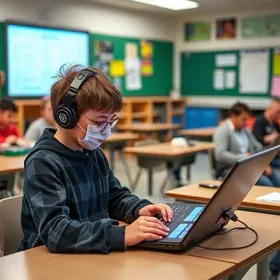
AI Report Cards: Should Schools Evaluate AI Use?
Explore whether schools should assess student AI use, the benefits, risks, and what responsible AI report cards could look like in 2026.
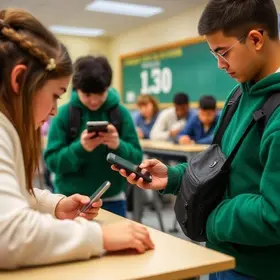
The Parent’s Guide to School Cell Phone Bans in 2026
Learn how school cell phone bans work in 2026, why districts are adopting them, and what parents should expect.
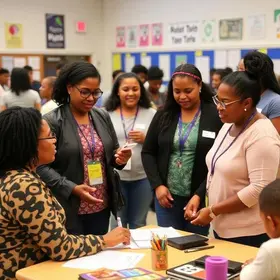
Parental Involvement in Public Schools: 2026 Update
Explore the latest 2026 trends, research, and strategies shaping parental involvement in public schools and student success.