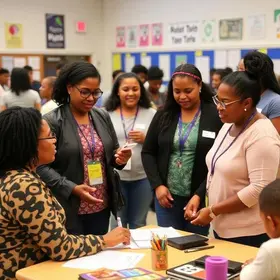
Public schools play a central role in educating the majority of students in the United States, yet many families have questions about how classroom resources are distributed. From teacher staffing to textbooks, technology, and support services, resource allocation directly shapes the quality of education students receive. Understanding how public schools allocate classroom resources can help parents make informed decisions and advocate effectively for their children.
This article examines the systems and factors that influence resource distribution in public schools, highlights common challenges, and explains what families should know in 2026.
What Are Classroom Resources?
Classroom resources include all the tools and supports used to deliver instruction and promote student success. These resources generally fall into several categories:
- Human resources: Teachers, aides, counselors, and specialists
- Instructional materials: Textbooks, workbooks, and curriculum programs
- Technology: Computers, tablets, software, and internet access
- Facilities and supplies: Classrooms, furniture, lab equipment, and basic materials
- Support services: Special education programs, language support, and mental health services
While these categories may appear straightforward, how they are distributed across schools and classrooms is influenced by complex funding formulas and policy decisions.
The Foundation: How Public Schools Are Funded
To understand resource allocation, it is important to start with how public schools receive funding. Most public school systems rely on a combination of:
- Local funding, primarily from property taxes
- State funding, typically distributed through formulas
- Federal funding, targeted toward specific programs such as Title I or special education
According to the National Center for Education Statistics, state and local governments provide the majority of school funding, while federal contributions are more limited and targeted.
Because local funding depends heavily on property values, districts in wealthier areas often have access to more resources than those in lower-income communities. This disparity is one of the most significant factors influencing classroom resource allocation.
How Districts Allocate Resources
School districts act as the primary decision-makers when it comes to distributing funds and resources among schools. Most districts use a combination of the following approaches:
1. Per-Pupil Funding Models
Many districts allocate funding based on student enrollment. Each student is assigned a base funding amount, sometimes adjusted for specific needs such as:
- Low-income status
- English language learning
- Special education requirements
This approach, often called “weighted student funding,” aims to provide additional resources where they are most needed. The U.S. Department of Education outlines how these models are used to promote equity.
2. Staffing-Based Allocation
In some districts, schools are allocated a certain number of staff positions rather than direct funding. For example, a school may receive:
- One teacher per a set number of students
- Additional specialists based on program needs
While this method ensures baseline staffing, it can limit flexibility in how schools use their resources.
3. Program-Specific Funding
Federal and state programs often require funds to be used for specific purposes. Examples include:
- Title I funding for schools with high percentages of low-income students
- IDEA funding for special education services
These funds cannot typically be redirected, which shapes how resources are distributed within schools.
School-Level Decision Making
Once resources reach individual schools, principals and administrators play a key role in deciding how they are used. Their responsibilities may include:
- Assigning teachers to grade levels or subjects
- Selecting curriculum materials
- Allocating budgets for technology or supplies
- Prioritizing intervention programs
Effective school leadership can significantly impact how well resources meet student needs. Families interested in evaluating school leadership and structure can explore 10 Tips for Choosing the Best School for Your Child.
Key Factors That Influence Resource Allocation
Several factors determine how resources are distributed within and across schools:
Student Needs
Schools with higher populations of students requiring additional support often receive more funding and staff. This includes:
- Students with disabilities
- English language learners
- Students from low-income households
Enrollment Trends
Changes in student population can affect funding levels. Growing schools may receive more resources, while declining enrollment can lead to budget cuts.
State Policies
Each state has its own funding formula, which can significantly impact how resources are distributed. Some states have moved toward more equitable funding models in recent years, while others still rely heavily on local revenue.
Accountability Measures
Standardized testing and performance metrics can influence funding decisions, particularly for intervention programs or targeted support. The Every Student Succeeds Act continues to guide accountability frameworks across states.
Technology and Resource Allocation in 2026
In recent years, technology has become a central component of classroom resources. By 2026, many districts have expanded digital learning tools, but disparities remain.
Common trends include:
- Increased use of one-to-one device programs
- Expanded online and hybrid learning options
- Investment in learning management systems
However, access to reliable internet and updated devices still varies widely, particularly in rural and underserved communities. The Federal Communications Commission tracks ongoing broadband access gaps that affect educational equity.
Equity Challenges in Resource Distribution
Despite efforts to create fair systems, inequities persist in how classroom resources are allocated. Key challenges include:
Funding Disparities
Schools in lower-income areas often face:
- Larger class sizes
- Fewer advanced course offerings
- Limited extracurricular opportunities
Teacher Distribution
Experienced teachers are not always evenly distributed. High-need schools may have:
- Higher teacher turnover
- More first-year educators
- Fewer specialized instructors
Aging Facilities
Infrastructure differences can affect learning environments. Some schools operate in modern, well-equipped buildings, while others struggle with outdated facilities.
These disparities highlight the importance of ongoing policy reforms and community advocacy. For a broader look at how school environments impact outcomes, see 10 Major Challenges Facing Public Schools.
Comparing Public School Resources
Families often compare public schools when deciding where to live or enroll their children. Key factors to consider include:
- Student-teacher ratios
- Availability of advanced coursework
- Access to arts and extracurricular programs
- Technology integration
- Support services
The Role of Community and Advocacy
Parents and community members can play an important role in influencing how resources are allocated. Common ways to get involved include:
- Attending school board meetings
- Participating in parent-teacher organizations
- Advocating for equitable funding policies
- Engaging with local and state education officials
Public awareness and engagement often drive improvements in resource distribution.
Looking Ahead: Trends in Resource Allocation
As education systems continue to evolve, several trends are shaping the future of resource allocation:
- Greater emphasis on equity-based funding models
- Increased investment in mental health and student support services
- Expansion of career and technical education programs
- Continued integration of technology in classrooms
These developments reflect a broader effort to address both academic and non-academic factors that influence student success.
Conclusion
Understanding how public schools allocate classroom resources provides valuable insight into the educational experiences of students across the country. Funding formulas, district policies, and school-level decisions all play a role in determining how resources are distributed.
While progress has been made toward more equitable systems, disparities remain. Families who take the time to evaluate how public schools allocate classroom resources, and who engage with their local schools are better positioned to support their children’s education.
As discussions around funding, equity, and accountability continue in 2026, classroom resource allocation will remain a central issue shaping the future of public education.