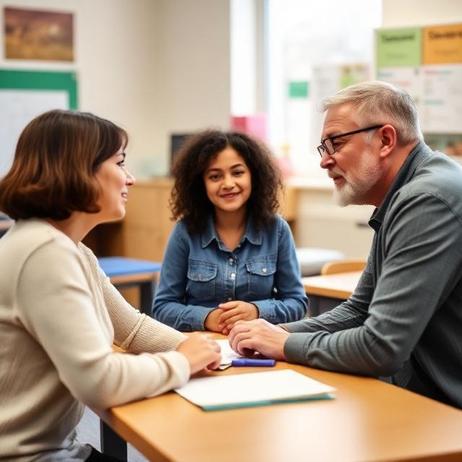
A strong parent-teacher relationship is one of the most influential factors in a student’s academic success. When families and educators collaborate effectively, students benefit from consistent expectations, better support systems, and improved outcomes both inside and outside the classroom.
In 2026, with increasing use of digital communication tools and a growing emphasis on social-emotional learning, the importance of building a strong parent-teacher relationship from day one has never been greater. Establishing trust early helps prevent misunderstandings, encourages open dialogue, and creates a shared commitment to student growth.
This guide outlines practical, research-informed strategies that parents and teachers can use to build meaningful, productive partnerships from the very start of the school year.
Why a Strong Parent-Teacher Relationship Matters
Decades of research confirm that family engagement plays a critical role in student achievement. According to the U.S. Department of Education, students with involved parents are more likely to earn higher grades, attend school regularly, and develop stronger social skills.
A strong parent-teacher relationship contributes to:
Improved academic performance
Better classroom behavior
Increased student motivation
Early identification of learning challenges
Stronger emotional support systems
In public schools, where class sizes can be large and resources vary, proactive collaboration becomes even more essential.
Start Early: The First Weeks Set the Tone
The beginning of the school year is a critical window for establishing a strong parent-teacher relationship. Waiting until problems arise can make communication feel reactive rather than supportive.
For Teachers: Proactive Outreach
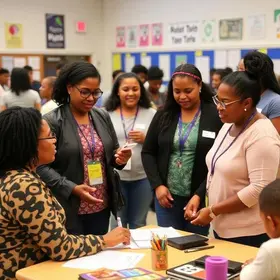
Teachers who initiate contact early send a powerful message of openness and partnership. This can include:
A welcome email or letter introducing yourself
Sharing classroom expectations and goals
Inviting parents to communicate preferences and concerns
Providing clear contact information and availability
Many schools now use platforms like parent portals or communication apps, making early outreach easier and more consistent.
For Parents: Make the First Move
Parents should not feel hesitant to reach out first. A simple introductory message can help establish rapport:
Share key information about your child’s interests and learning style
Ask how best to stay informed
Express willingness to collaborate
This early connection helps humanize both sides and reduces barriers to communication later.
Establish Clear and Consistent Communication
Communication is the foundation of any strong parent-teacher relationship. In 2026, communication methods have expanded, but clarity and consistency remain essential.
Choose the Right Communication Channels
Different schools and teachers may prefer different tools. Common options include:
Email
School communication apps
Parent portals
Scheduled phone calls or virtual meetings
Parents should ask about preferred methods, while teachers should clearly outline expectations.
For guidance on effective school communication practices, the National PTA provides practical resources for families and educators.
Set Expectations Early
Avoid confusion by establishing:
How often updates will be shared
Response time expectations
Appropriate times for contact
Types of communication (academic updates vs. urgent concerns)
Clear expectations prevent frustration and ensure both sides feel respected.
Build Trust Through Transparency
Trust is central to a strong parent-teacher relationship. It develops when both parties communicate openly, honestly, and respectfully.
Share Both Strengths and Challenges
Communication should not only occur when problems arise. Teachers should regularly highlight:
Academic achievements
Positive behavior
Social growth
Similarly, parents can share:
Changes at home that may affect learning
Concerns or observations
Successes outside of school
Balanced communication fosters trust and avoids a negative-only dynamic.
Be Honest, But Solution-Oriented
When challenges arise, focus on solutions rather than blame.
Instead of saying:
“Your child is not paying attention.”
Frame it as:
“I’ve noticed some difficulty staying focused. Let’s work together on strategies that can help.”
This collaborative approach strengthens the relationship and keeps the focus on the student’s success.
Respect Each Other’s Roles
A strong parent-teacher relationship depends on mutual respect. Teachers bring professional expertise in education, while parents offer deep knowledge of their child.
Recognize Shared Goals
Both parties want the same outcome: student success. Keeping this shared goal in mind helps navigate disagreements constructively.
Avoid Common Pitfalls
Parents undermining teacher authority at home
Teachers dismissing parent concerns
Assumptions about intent or effort
Respectful dialogue helps maintain a positive partnership even during challenging situations.
Stay Engaged Throughout the Year
Building a strong parent-teacher relationship is not a one-time effort. It requires ongoing engagement.
Simple Ways Parents Can Stay Involved
Attend conferences and school events
Review homework and progress updates
Ask children about their school day regularly
Volunteer when possible
Ways Teachers Can Encourage Engagement
Send regular updates or newsletters
Provide clear, accessible progress reports
Offer flexible meeting options, including virtual conferences
Research from the Harvard Family Research Project highlights that consistent family engagement leads to long-term academic and behavioral benefits.
Use Technology Effectively in 2026
Digital tools have transformed how schools and families communicate. When used effectively, they can strengthen the parent-teacher relationship.
Popular Tools in Public Schools
Learning management systems (LMS)
Messaging apps for quick updates
Online gradebooks
Virtual conferencing platforms
Best Practices for Digital Communication
Keep messages concise and professional
Avoid sensitive discussions via text or app messages
Use scheduled meetings for complex concerns
Maintain privacy and confidentiality
Technology should enhance, not replace, meaningful interaction.
Address Challenges Early and Constructively
Even strong relationships encounter challenges. The key is addressing them early before they escalate.
Warning Signs to Watch For
Declining grades
Behavioral changes
Lack of communication
Increased frustration on either side
Steps for Resolution
Schedule a conversation promptly
Share observations calmly and factually
Listen actively without interruption
Develop a shared action plan
Follow up regularly
For additional guidance, the Centers for Disease Control and Prevention outlines effective parent engagement strategies that support student well-being.
Cultural Awareness and Inclusivity
Public schools serve diverse communities. A strong parent-teacher relationship must be inclusive and culturally responsive.
For Teachers
Be mindful of cultural differences in communication styles
Provide translated materials when needed
Avoid assumptions about family involvement
For Parents
Share cultural values and expectations
Ask for clarification when needed
Advocate respectfully for your child
Inclusive communication strengthens trust and ensures every student feels supported.
Quick Reference: Building a Strong Parent-Teacher Relationship
|
Strategy |
Why It Matters |
How to Apply |
|---|---|---|
|
Early Communication |
Sets positive tone |
Introduce yourself within first weeks |
|
Clear Expectations |
Prevents confusion |
Agree on communication methods and timing |
|
Regular Updates |
Builds trust |
Share progress, not just problems |
|
Mutual Respect |
Strengthens collaboration |
Acknowledge each other’s roles |
|
Ongoing Engagement |
Sustains relationship |
Stay involved throughout the year |
|
Early Problem-Solving |
Prevents escalation |
Address concerns quickly and calmly |
The Long-Term Impact on Students
When a strong parent-teacher relationship is established early, students benefit in measurable and lasting ways.
They are more likely to:
Feel supported and understood
Develop stronger academic habits
Build confidence in learning
Navigate challenges more effectively
In a time when education is increasingly complex, this partnership provides stability and continuity for students.
Frequently Asked Questions
How often should parents communicate with teachers?
There is no fixed rule, but regular, purposeful communication is ideal. Monthly check-ins or updates are common, with additional communication as needed.
What should I do if communication breaks down?
Request a meeting to reset expectations. Focus on shared goals and solutions rather than past frustrations.
Are digital tools enough to maintain a strong relationship?
No. While helpful, digital tools should complement, not replace, direct conversations and personal interaction.
How can working parents stay involved?
Use flexible communication options such as email or virtual meetings. Even brief, consistent engagement can make a significant difference.
Conclusion
Building a strong parent-teacher relationship from day one is one of the most effective ways to support student success in public schools. By prioritizing early communication, mutual respect, and ongoing collaboration, parents and teachers can create a partnership that benefits everyone involved.
In 2026, with evolving communication tools and a greater focus on whole-child development, this relationship is more important than ever. When families and educators work together intentionally, students gain the support, consistency, and encouragement they need to thrive.