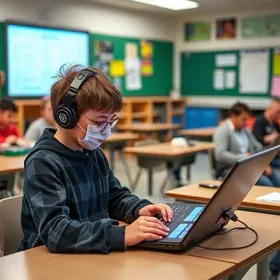
Supporting a child’s emotional well-being has become an essential part of academic success. In today’s school environment, students are managing academic pressure, social dynamics, digital exposure, and increasingly complex expectations. As a result, understanding how to support your child’s mental health during the school year is no longer optional for parents and educators. It is a core part of helping students thrive both inside and outside the classroom.
In 2026, schools across the United States continue to expand mental health services, including school-based counseling, telehealth partnerships, and social-emotional learning programs. However, the most effective support still begins at home, where children spend most of their time and develop their strongest emotional foundations.
This article explores practical, research-informed strategies parents and educators can use to recognize stress, build resilience, and connect children with the support they need.
Why Mental Health Support Matters in the School Year
Child and adolescent mental health directly affects learning outcomes, attendance, behavior, and long-term development. According to the Centers for Disease Control and Prevention, mental health conditions are among the most common health challenges affecting school-aged children, and early support significantly improves outcomes.
The school year introduces predictable stressors, including:
- Academic testing and performance pressure
- Social adjustment and peer relationships
- Extracurricular demands and scheduling overload
- Transitions between grade levels or schools
- Increased screen time and digital comparison
In 2026, educators are also reporting greater awareness of “always-on stress,” where students feel pressure not just during school hours but throughout the day due to digital connectivity and social media exposure.
Supporting mental health during the school year helps children:
- Build emotional regulation skills
- Improve focus and academic performance
- Strengthen relationships with peers and teachers
- Develop resilience in handling setbacks
Recognizing Early Signs of Emotional Strain
One of the most important steps in supporting mental health is identifying when a child is struggling. Emotional distress does not always appear as sadness. It may show up in behavior, physical symptoms, or changes in routine.
The National Institute of Mental Health highlights that early warning signs can vary by age, but commonly include:
Emotional and Behavioral Signs
- Increased irritability or mood swings
- Withdrawal from friends or activities
- Sudden drop in academic performance
- Avoidance of school or frequent complaints of physical illness
- Changes in sleep or appetite
Physical Signs
- Frequent headaches or stomachaches without medical cause
- Fatigue despite adequate rest
- Restlessness or difficulty concentrating
School-Based Indicators
- Trouble completing assignments
- Conflicts with peers or teachers
- Declining participation in class
A helpful approach is to look for patterns rather than isolated incidents. One difficult week may be normal; ongoing changes over several weeks may signal a deeper concern.
Practical Ways to Support Mental Health at Home
Parents play a central role in shaping emotional resilience. Consistent, everyday interactions often matter more than formal interventions.
Build Predictable Routines
Children benefit from structure. Regular sleep schedules, consistent meal times, and predictable homework routines reduce anxiety and help students feel secure.
Create Space for Open Conversation
Instead of asking only about grades or assignments, try open-ended questions such as:
- “What was the best part of your day?”
- “Was anything stressful today?”
- “Did anything surprise you at school?”
The goal is not to interrogate but to normalize emotional expression.
Model Healthy Coping Strategies
Children often mirror adult behavior. Demonstrating calm responses to stress, taking breaks, and managing frustration constructively teaches emotional regulation more effectively than instruction alone.
Limit Over-Scheduling
While extracurricular activities are valuable, too many commitments can lead to burnout. Ensure your child has unstructured downtime for rest, creativity, and social connection.
Working With Schools as a Partner
Strong communication between families and schools is one of the most effective ways to support student mental health. Teachers often observe behavioral or academic changes early and can provide valuable insight.
Many schools now integrate social-emotional learning and mental health awareness programs. According to the American Psychological Association, school-based supports are most effective when families reinforce the same skills at home.
Parents can:
- Attend parent-teacher conferences with mental health in mind
- Ask about counseling services or student support teams
- Share relevant observations about behavior changes at home
- Request academic accommodations when appropriate
In 2026, more districts are also offering hybrid support systems, including virtual counseling sessions and digital wellness check-ins, making access more flexible than in previous years.
The Role of Technology and Social Media
Digital life is one of the most significant influences on student mental health today. While technology provides educational benefits, it also introduces challenges such as comparison culture, cyberbullying, and sleep disruption.
Key considerations include:
- Encouraging device-free time before bed
- Monitoring social media use without overly invasive surveillance
- Talking openly about online experiences
- Teaching critical thinking around digital content
The goal is not to eliminate technology but to help students develop healthy boundaries. Schools are increasingly integrating digital citizenship lessons into curricula, but reinforcement at home remains essential.
When to Seek Professional Help
There are times when home strategies and school support are not enough. Seeking professional help is a proactive and appropriate step when concerns persist.
The Substance Abuse and Mental Health Services Administration emphasizes that early intervention can prevent more serious challenges later.
Consider seeking support if your child:
- Shows persistent sadness or anxiety lasting more than a few weeks
- Expresses hopelessness or self-harm thoughts
- Experiences significant withdrawal from daily activities
- Has ongoing difficulty functioning at school or home
Options for support include:
- School counselors or psychologists
- Licensed therapists or clinical social workers
- Pediatricians who can provide initial assessments
- Telehealth mental health providers
In many districts in 2026, expanded school-based mental health programs make it easier to access initial screenings without long wait times.
Summary Table: Signs and Support Strategies
| Area of Concern | Possible Signs | Support Strategy |
|---|---|---|
| Emotional health | Mood swings, irritability | Encourage open conversations, validate feelings |
| Academic stress | Declining grades, avoidance | Collaborate with teachers, reduce workload where possible |
| Physical symptoms | Headaches, fatigue | Monitor sleep, consult healthcare providers if persistent |
| Social changes | Isolation, conflict with peers | Support social skills, consider counseling |
| Digital stress | Anxiety after screen use | Set boundaries, discuss online experiences |
Frequently Asked Questions
How can I start a conversation if my child doesn’t want to talk?
Start indirectly. Shared activities like walking or driving can reduce pressure. Avoid forcing answers; consistency matters more than intensity.
What if my child says school is “fine” but I suspect otherwise?
Look for behavioral and physical indicators. Children may not always articulate emotional strain clearly, especially younger students.
Are school counselors enough support?
School counselors are a valuable first step, but they may not provide ongoing therapy in all cases. They can, however, help coordinate additional services.
How much screen time is too much?
There is no universal limit, but quality matters as much as quantity. Pay attention to how screen use affects sleep, mood, and attention.
Conclusion
Understanding how to support your child’s mental health during the school year requires consistent attention, communication, and partnership between home and school. In 2026, while schools are expanding mental health resources and awareness, the most powerful support still comes from everyday relationships and routines.
By recognizing early signs of stress, maintaining open dialogue, and knowing when to seek professional help, parents and educators can create environments where students feel safe, supported, and capable of academic and emotional growth.