School Controversies

The most controversial issues impacting public school students today. From bullying to book bans, this is a comprehensive look at some of the most oft-debated issues. This section features articles on school segregation, religion, over-crowding, civil rights, and green technology.

View the most popular articles in School Controversies:

'Fuel Your School' Ignites Second Year in Utah

Updated
|
'Fuel Your School' Ignites Second Year in Utah
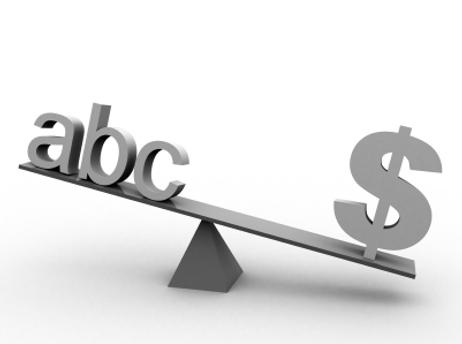
Fuel Your School is a Utah and California program introduced by Chevron that provides additional funding for local public schools every time someone fills up his tank. Learn about which schools benefit from the program and how the funding is being used.

Schools across the country continue to look for ways to do more with less. Rising costs, staffing challenges, technology needs, and budget constraints have pushed many educators to seek alternative funding sources beyond traditional public funding.

One example of a successful public-private partnership was Chevron's Fuel Your School program, which helped provide classroom resources to schools in California and Utah. Although the original Fuel Your School campaign is no longer active, it serves as an example of how corporate giving programs and community partnerships can support public education.

Today, similar initiatives continue to help teachers secure funding for classroom projects, technology, STEM programs, and other educational needs.

What Was Fuel Your School?

Fuel Your School was a partnership between Chevron and DonorsChoose, a nonprofit organization that helps teachers obtain funding for classroom projects.

The concept was simple. During designated promotional periods, purchases made at participating Chevron stations generated donations that supported classroom projects in eligible school districts. The program focused heavily on STEM education, though teachers could also request funding for a variety of other classroom needs.

During its early years, Fuel Your School generated hundreds of thousands of dollars for public school classrooms and helped fund thousands of teacher-led projects.

The program demonstrated how businesses, nonprofit organizations, educators, and local communities could work together to address classroom funding needs.

Why Alternative School Funding Matters

Public schools receive funding from federal, state, and local sources. However, many districts continue to face budget limitations that affect

. . .read more

Colorado School District Facing Outrage over Voucher Program

Updated
|
Colorado School District Facing Outrage over Voucher Program
Douglas County, Colorado, faces controversy and legal challenges over its "Choice Scholarship" voucher program. The article explores the program's structure, arguments for and against it, and the constitutional questions raised about using public funds for private, often religious, education.

Colorado School District Facing Outrage Over Voucher Program

School choice has been an ongoing debate in districts nationwide, but one Colorado district has been getting plenty of attention on this subject lately. Douglas County, located in the southern part of the Denver metro area, has unanimously approved a voucher program that provides state funding to parents who want to enroll their children in private schools. The Douglas County school board approved the measure in March of this year, but the fight is just beginning over the constitutionality of such a move. We’ll look at both sides of this potentially explosive issue to determine whether using taxpayer dollars to fund private schooling should be allowed under the law.

The History of the Voucher Program

The “Choice Scholarship” pilot program, due to launch in Douglas County during the 2011-2012 school year, was the brainchild of Milton and Rose Friedman. These two economists established the Milton and Rose D. Friedman Foundation in 1996 to advance an education system based on free choice. This couple firmly believes that the most effective way to raise the bar on the quality of education in this country is to provide free choice to parents and students that promotes healthy competition within the educational framework.

The Friedmans state on their website, “This foundation is the culmination of what has been one of our main interests for more than four decades: improvement in the quality of education available to children of all

. . .read more

No More Prayer at High School Graduations for Texas Schools

Updated
|
No More Prayer at High School Graduations for Texas Schools
The time has come for prayers at Texas public school graduations to say amen. Learn more about the ongoing debate regarding prayer and graduations, as well as the division between church and state.

Many high schools have traditionally included rituals like a benediction or invocation at their graduation ceremonies. While these terms might refer to a variety of things, many believe the words themselves invoke a religious ritual – one that is not allowed to be introduced or endorsed by public schools. The question of prayer during a graduation ceremony has also been a point of controversy for many years at high schools across the country. This year has been no exception, with a Texas public high school graduation coming to the forefront in the latest battle. We will take a look at the issue of prayer during graduation ceremonies, including why some believe that the practice is in direct violation of the constitutional separation of church and state.

What Happened in Texas?

Medina Valley High School in Castroville, Texas, has had a long tradition of including an invocation at the beginning of their graduation ceremonies and a benediction at the end. This year, a student at the school, along with his parents, took issue with the use of terms in the graduation ceremony that some could construe as religious. The family took their case to a district judge, who ruled that Medina was violating the constitution in using such terminology and ordered them to remove the invocation and benediction from the graduation program.

Ayesha Khan, the lawyer for the family, told Reuters, "We think that the district has been flouting the law for decades. We're glad that the

. . .read more

Are Public Schools Going on the Auction Block?

Updated
|
Are Public Schools Going on the Auction Block?
Going once, going twice: sold to the highest public school bidder! Learn about the growing trend to hold auctions at public schools - and the positive and negative consequences.

Public school auctions are not a new idea, but with the economic woes in recent years, these fundraisers have reached an all-time high in many areas across the country. As the need for successful fundraising increases, so does the intensity of the public auction experience, with more expensive merchandise offered up and even a few tempers to diffuse throughout the evening. This article will take a closer look at the public auction experience, including some of the problems schools across the country have encountered in their efforts to raise necessary funding for their students.

The Benefits of a Public Auction

According to an article at TopSchoolFundraisers.com, the public auction has long been a popular fundraising choice in schools because it offers a myriad of benefits, including:

  • The potential to earn plenty of money for the school
  • The ability to build a sense of community among students, staff, and parents
  • The positive reputation fundraising builds within the community
  • The involvement of numerous volunteers in a single purpose and activity
  • The chance to provide a single, large fundraiser as opposed to multiple smaller events

The public auction falls into three distinct categories: the live auction, where individuals publically bid on items; the silent auction, where bids are listed until the deadline; and the online auction, which is similar to the silent auction but conducted through the Internet. In many cases, the auction is conducted simultaneously with another event, such as a dinner or dance, to entice more people and

. . .read more

Should Public Schools Use Facebook? Pros and Cons

Updated
|
Should Public Schools Use Facebook? Pros and Cons
Is your public school on Facebook? Learn about the positives and disadvantages with getting your district on the most popular destination online.

Social media, which has become essential for kids and techno-savvy adults, is now entering the realm of public education as well. Schools and districts across the country are leaping aboard the Facebook bandwagon, creating pages that allow students and staff to interact during and after school hours. This online tool provides a whole new dimension to the public school community, but not everyone is thrilled with the idea of posting school business and social interactions on the Internet for the world to see. We'll take a look at both the pros and cons of the use of Facebook in public schools, as well as some districts that have embraced FB already.

This video looks at the pros and cons of using social media.

Positive Ways Schools can Use Facebook

According to an article at Mashable, there are many potentially constructive ways public schools can use Facebook to engage their communities. The author of the article, JG Visual partner David Hartstein, says at the beginning of his report, "By setting up a Facebook page, schools can establish a controlled, professional presence that allows them to capitalize on this social space in many important ways, while still protecting their students."

Hartstein suggests a number of ways to incorporate social media into the public school community, including:

Sharing News

While many schools currently rely on their websites or the old-fashioned "paper home from school" methods of sharing

. . .read more

Recent Articles

AI Report Cards: Should Schools Evaluate AI Use?
Explore whether schools should assess student AI use, the benefits, risks, and what responsible AI report cards could look like in 2026.
The Parent’s Guide to School Cell Phone Bans in 2026
Learn how school cell phone bans work in 2026, why districts are adopting them, and what parents should expect.
Parental Involvement in Public Schools: 2026 Update
Explore the latest 2026 trends, research, and strategies shaping parental involvement in public schools and student success.

Notice: Javascript file does not exist: /home/devsarath/workspace/psr/public_html/javascript/components/popper.min.js in /home/devsarath/workspace/shared/misc/JSCompiler.inc.php on line 242

Notice: Javascript file does not exist: /home/devsarath/workspace/psr/public_html/javascript/components/tippy.min.js in /home/devsarath/workspace/shared/misc/JSCompiler.inc.php on line 242

Notice: Directory does not exist in /home/devsarath/workspace/shared/misc/JSCompiler.inc.php on line 242

Notice: Unable to save compiled js file in /home/devsarath/workspace/shared/misc/JSCompiler.inc.php on line 242