For many parents, the phrase “school inspection” sounds formal, technical, and somewhat intimidating. Yet school inspections are a routine and important part of maintaining educational quality across the United States. Whether conducted by state education agencies, accreditation organizations, or district review teams, inspections help ensure schools are meeting academic, safety, and operational standards.
In 2026, school inspections have evolved significantly. Modern evaluations now examine not only academic performance but also student well-being, school climate, safety procedures, teacher development, and equity initiatives. Understanding what happens during a school inspection can help parents better interpret school ratings, improvement plans, and public accountability reports.
For families researching schools through resources like Public School Rankings or exploring strategies for choosing the best school for your child, inspections provide valuable insight into how schools operate behind the scenes.
What Is a School Inspection?
A school inspection is a formal evaluation process designed to assess how effectively a school is educating and supporting students. Inspections may be conducted by:
- State departments of education
- Regional accreditation agencies
- School districts
- Federal compliance reviewers
- Independent education evaluators
The primary goal is not simply to “grade” schools, but to identify strengths, weaknesses, compliance issues, and opportunities for improvement.
Unlike standardized test scores alone, inspections provide a broader picture of school quality. According to the National Center for Education Statistics, accountability systems increasingly incorporate factors such as attendance, graduation rates, student engagement, and school climate alongside academic outcomes.
Why Schools Are Inspected
School inspections serve several important purposes:
Accountability
Public schools receive taxpayer funding and must demonstrate they are meeting state and federal requirements.
Student Safety
Inspectors review emergency procedures, campus security, transportation systems, and health protocols.
Educational Quality
Inspections evaluate curriculum alignment, instructional quality, and academic support services.
Equity and Compliance
Schools must comply with laws involving special education, civil rights protections, accessibility, and nondiscrimination policies.
Accreditation
Many schools participate in accreditation reviews through organizations such as Cognia or regional accrediting bodies to maintain educational credibility and access to certain funding opportunities.
How Often Do School Inspections Occur?
The frequency varies by state and agency. In general:
| Type of Review | Typical Frequency |
|---|---|
| State accountability review | Annually or every few years |
| Accreditation review | Every 5 to 10 years |
| Health and safety inspections | Annually |
| Special education compliance reviews | Periodically or complaint-based |
| District operational audits | As needed |
Schools identified as underperforming may undergo more frequent monitoring.
In recent years, many districts have also added “continuous improvement reviews,” which involve shorter but more regular evaluations instead of waiting several years between inspections.
What Happens Before the Inspection?
A school inspection typically begins weeks or months before inspectors arrive on campus.
Schools Submit Documentation
Administrators gather materials such as:
- Academic performance reports
- Attendance data
- Graduation statistics
- Teacher certification records
- Curriculum maps
- School improvement plans
- Safety protocols
- Discipline policies
Inspectors often analyze this information ahead of time to identify areas requiring closer review.
Staff Prepare for Interviews
Teachers, counselors, administrators, and support staff may be informed about interview schedules and classroom observation procedures.
Parents May Receive Notifications
Some inspections include parent surveys or opportunities for community feedback. Schools may notify families through email or district websites.
What Inspectors Look For
Modern school inspections are comprehensive. Inspectors typically focus on several major categories.
Academic Performance and Instruction
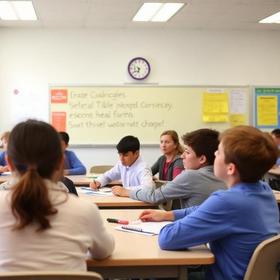
A central part of any inspection is evaluating classroom instruction and student learning.
Inspectors may observe:
- Teacher-student interaction
- Lesson structure
- Classroom engagement
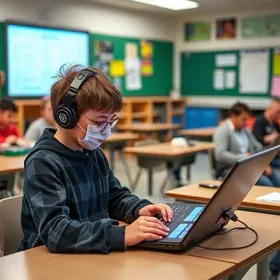
- Use of technology
- Differentiated instruction
- Student participation
They also review how schools use assessment data to support struggling students and challenge advanced learners.
Schools offering specialized programs, such as magnet or International Baccalaureate pathways, may receive additional curriculum-specific evaluations. Public schools with advanced academic offerings often highlight these programs similarly to those discussed in International Baccalaureate (IB) Programs at Public Schools.
Student Safety and Campus Climate
Since the pandemic and rising concerns around student mental health and school safety, inspections now place greater emphasis on climate and wellness.
Inspectors may review:
- Emergency response procedures
- Visitor management systems
- Anti-bullying policies
- Counseling availability
- Mental health resources
- Attendance intervention programs
- Student behavior systems
According to the U.S. Department of Education, schools nationwide have expanded school climate initiatives and behavioral support programs over the past two years.
Teacher Qualifications and Professional Development
Inspectors evaluate whether educators are properly certified and supported professionally.
Areas reviewed may include:
- Teacher credentials
- Staff retention rates
- Ongoing training programs
- Mentorship systems for new teachers
- Evaluation procedures
Schools with strong professional development programs often demonstrate higher instructional consistency across classrooms.
Equity and Inclusion
In 2026, educational equity remains a major focus in public school evaluations.
Inspectors examine whether schools provide fair access to:
- Advanced coursework
- Special education services
- English language learner support
- Technology resources
- Extracurricular activities
They may also review discipline data to identify disparities among student groups.
This broader approach reflects ongoing national discussions about how schools should be evaluated beyond test scores alone, similar to issues explored in Public School Rankings: Are They Accurate?.
Facility Conditions and Operations
School inspections also assess the physical environment.
Inspectors may evaluate:
- Building maintenance
- Classroom cleanliness
- Air quality systems
- Cafeteria operations
- Transportation procedures
- Accessibility compliance
- Playground and athletic safety
A school’s physical condition can directly impact learning and student attendance.
Interviews and Meetings During the Inspection
School inspections usually involve extensive conversations with stakeholders throughout the school community.
Administrators
School leaders explain instructional goals, budgeting priorities, staffing decisions, and improvement strategies.
Teachers
Teachers discuss curriculum implementation, classroom challenges, and student support systems.
Students
Inspectors may speak with students about school culture, safety, and academic experiences.
Parents
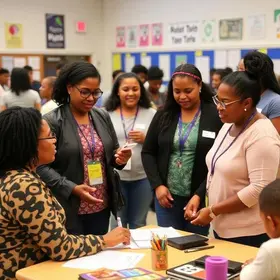
Some inspections include family surveys or parent focus groups to gather broader community perspectives.
These interviews help inspectors understand how policies function in practice, not just on paper.
What Happens After the Inspection?
Once the inspection concludes, evaluators prepare a formal report summarizing findings.
The report typically includes:
- Areas of strength
- Areas needing improvement
- Compliance findings
- Recommendations
- Required corrective actions
- Performance ratings or accreditation status
Many public reports are available online through district or state education websites.
Schools identified as struggling may need to submit improvement plans or undergo follow-up reviews.
Can Inspections Affect School Rankings?
Yes, inspection outcomes can influence public perception and accountability ratings.
Although rankings rely heavily on academic metrics, inspection findings often shape how districts and families evaluate schools overall. Resources such as Compare Public Schools help families examine multiple indicators beyond test performance alone.
A school with strong academics but poor safety systems or operational issues may still face criticism after an inspection.
Likewise, inspections sometimes uncover positive programs not reflected in rankings data, including strong arts education, inclusive school culture, or exceptional student support services.
What Parents Should Pay Attention To
Inspection reports can provide valuable insights when evaluating schools.
Parents should look for:
Consistent Improvement
Schools do not need to be perfect, but strong schools usually demonstrate clear improvement efforts and transparency.
Student Support Systems
Pay attention to counseling resources, intervention programs, and attendance support.
School Climate
Positive relationships between staff and students often appear throughout inspection feedback.
Leadership Stability
Strong administrative leadership is frequently associated with successful inspections and long-term school improvement.
Transparency
Schools willing to openly discuss challenges and improvement plans often foster greater trust within the community.
Families researching local schools can also use tools such as Find Public Schools to compare school data alongside inspection-related information.
Are School Inspections Always Accurate?
No evaluation system is perfect. Critics argue that inspections can sometimes:
- Overemphasize documentation
- Reflect evaluator bias
- Create stress for teachers
- Encourage schools to “prepare for inspections” rather than focus on long-term improvement
However, most education experts agree that inspections remain an important accountability tool when balanced with community input and broader performance measures.
No single metric fully captures school quality. Inspection reports work best when combined with school visits, parent feedback, academic data, and student experiences.
Conclusion
School inspections play a critical role in maintaining accountability, safety, and educational quality in public education. While the process may seem intimidating, inspections are designed to support continuous improvement and ensure students receive a safe and effective learning environment.
For parents, understanding what happens during a school inspection can make school reports easier to interpret and provide deeper insight beyond rankings and test scores. In 2026, inspections increasingly reflect the full student experience, including academics, safety, equity, wellness, and school culture.
When evaluating schools, inspection findings should be viewed as one important piece of a larger picture, helping families make more informed educational decisions.