Along with cold weather and hot cocoa, the “holiday season” brings with it a renewal of a roaring, ongoing debate. The debate that December consistently reignites is between those who believe that public schools should be allowed to teach religion, as long as all major religions are covered, and those who argue that public schools should refrain from any discussion of religion whatsoever.
What Some Say: We Should Teach and Celebrate All Religions in Public Schools
Some argue that public schools should be allowed to display religious imagery and teach students about the beliefs and customs of various religions, as long as the school celebrates and acknowledges all of the major religions (Christianity, Islam, Judaism, Hinduism, and atheism, as well as any other religions that are a major presence in a given school community).
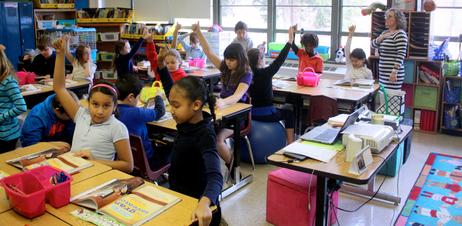
Many public schools seem to subscribe to a version of this argument during the holiday season. It is not uncommon to find elementary school students learning in December about Hanukah, Kwanzaa, Christmas, and Ramadan. Teachers and administrators often believe that by teaching about various holidays, they are honoring the diversity of religions that their students may practice at home, as well as teaching all students a valuable lesson about religious inclusiveness.
This was the line of thinking that Indiana public school officials followed when they taught second graders a song for a holiday performance that required the students to sing the line “Allah is God.” Fox News Radio reports that the principal