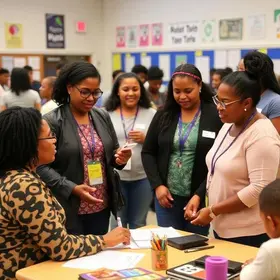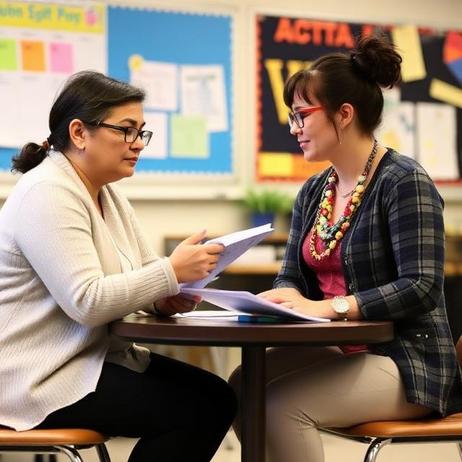
Fall parent-teacher conferences are one of the first major opportunities families and educators have to establish a productive partnership for the school year. Unlike spring meetings, which often focus on year-end performance and placement decisions, fall conferences help identify early academic trends, social adjustment concerns, and communication strategies before small issues become larger problems.
In 2026, parent-teacher conferences continue evolving alongside digital gradebooks, hybrid meeting formats, and increased attention to student wellness and executive functioning skills. Schools now frequently offer both in-person and virtual conference options, giving families more flexibility while also changing how conversations are structured and documented.
For parents, preparing thoughtfully can make these brief meetings significantly more productive. For teachers, organized conferences build trust and improve long-term family engagement. Research consistently shows that students benefit when schools and families communicate regularly and collaboratively.
According to the National Education Association, strong parent-teacher partnerships contribute to better attendance, stronger academic performance, and improved student behavior.
This guide explains how families can prepare for fall parent-teacher conferences, what questions to ask, and how to turn conference feedback into meaningful support throughout the school year.
Why Fall Parent-Teacher Conferences Matter
The first months of school provide important insight into how students are adjusting academically, socially, and emotionally. Teachers are beginning to identify:
- Learning strengths and challenges
- Classroom participation patterns
- Organization and study habits
- Peer relationships
- Behavioral trends
- Attendance concerns
Because the school year is still relatively new, fall conferences offer time to intervene early if support is needed.
Many districts in 2026 also use learning management systems that provide families with continuous updates on assignments, attendance, and classroom communication. While digital access helps parents stay informed, conferences still provide valuable context that online gradebooks cannot fully capture.
A teacher may explain:
- Why a student participates differently in class than at home
- How group work affects learning
- Whether missing assignments reflect comprehension issues or time-management struggles
- How social dynamics influence classroom performance
These insights often help families better understand the “whole child,” not just academic averages.
For additional guidance on family-school collaboration, the U.S. Department of Education provides resources for building effective school partnerships.
Preparing Before the Conference
The most productive conferences begin before parents walk into the classroom or log into a video meeting.
Review Academic Materials
Before the meeting, gather and review:
- Recent assignments and tests
- Progress reports
- Teacher comments
- Attendance records
- Behavioral updates
- Online gradebook information
Look for patterns rather than isolated grades. Is your child struggling with writing assignments? Missing homework? Participating inconsistently?
Preparation allows parents to ask more focused questions.
Talk With Your Child
Students often provide valuable perspectives before a conference.
Ask questions such as:
- What subjects feel easiest right now?
- Which classes are most challenging?
- How do you feel about your teachers?
- Are there any concerns you want me to discuss?
This conversation also helps children feel included in the process rather than feeling discussed “behind their backs.”
Prepare a Short List of Questions
Most conferences are brief, often lasting only 10 to 20 minutes. Prioritize the most important concerns in advance.
Helpful categories include:
- Academic performance
- Classroom behavior
- Social development
- Executive functioning skills
- Communication expectations
- Learning support options
Writing down questions beforehand helps ensure important topics are not forgotten.
Share Relevant Context
Teachers benefit from understanding major life events that may affect learning.
Examples may include:
- A recent move
- Family illness
- Anxiety or stress concerns
- Changes in routines
- Sleep challenges
- Learning evaluations
Parents do not need to overshare personal information, but limited context can help teachers better support students.
Questions Parents Should Ask During Conferences
Strong parent-teacher conferences are collaborative conversations, not one-sided evaluations.
Below are some of the most useful questions families can ask.
| Topic | Questions to Ask |
|---|---|
| Academic Progress | Is my child performing at grade level? |
| Classroom Engagement | Does my child participate actively? |
| Strengths | What subjects or skills stand out positively? |
| Challenges | Where does my child need the most support? |
| Work Habits | How are organization and time-management skills? |
| Social Development | How does my child interact with peers? |
| Support Strategies | What can we reinforce at home? |
| Communication | What is the best way to stay in contact? |
These questions encourage specific, actionable responses instead of general comments like “doing fine” or “needs improvement.”
Understanding Executive Functioning in 2026 Classrooms
One of the biggest shifts in public education discussions in recent years involves executive functioning skills.
Teachers increasingly evaluate not only what students know, but also how students manage learning responsibilities.
Executive functioning includes:
- Organization
- Planning
- Task initiation
- Time management
- Self-monitoring
- Attention regulation
In many schools, teachers now incorporate executive functioning observations into progress reporting and intervention discussions.
For example, a student may understand math concepts but consistently forget assignments or struggle with independent work completion.
Organizations such as Understood.org provide parent-friendly explanations and strategies for supporting executive functioning development at home.
During conferences, parents can ask:
- Does my child stay organized during class?
- How independently does my child complete tasks?
- Are missing assignments a concern?
- What routines help students succeed in this classroom?
These discussions often reveal practical solutions families can implement immediately.
Virtual Conferences Are Here to Stay
Although most schools resumed in-person meetings after the pandemic years, hybrid and virtual conferences remain common in 2026.
Many districts now offer:
- Zoom conferences
- Flexible scheduling windows
- Translation services
- Digital student portfolios
- Shared online progress dashboards
Virtual meetings increase accessibility for working parents and caregivers with transportation or scheduling challenges.
However, they also require preparation.
Tips for Successful Virtual Conferences
- Test technology ahead of time
- Find a quiet location
- Keep student work nearby
- Minimize distractions
- Take notes during the meeting
- Log in a few minutes early
Virtual conferences can still feel personal and productive when approached thoughtfully.
Common Mistakes Parents Should Avoid
Even well-intentioned conferences can become less effective when communication breaks down.
Focusing Only on Grades
Academic scores matter, but conferences should also address:
- Effort
- Engagement
- Confidence
- Classroom behavior
- Social interaction
- Stress levels
A student earning strong grades may still struggle socially or emotionally.
Becoming Defensive
Hearing concerns about a child can feel uncomfortable. However, approaching the conversation with curiosity rather than defensiveness usually leads to better outcomes.
Instead of responding emotionally, parents can ask:
- Can you provide an example?
- When do you notice this behavior most often?
- What strategies have helped in class?
This keeps the conversation solution-oriented.
Comparing Children to Classmates
Every student develops differently academically and socially. Conferences are most effective when focused on individual growth rather than comparisons.
Leaving Without a Plan
A productive conference should end with clear next steps.
Before leaving, parents should understand:
- What goals are being prioritized
- What support strategies will be used
- What follow-up communication will look like
- When progress should be reassessed
After the Conference: Turning Feedback Into Action
The conference itself is only the starting point.
The most successful family-school partnerships continue throughout the year.
Debrief With Your Child
After the meeting:
- Share positive feedback first
- Discuss improvement areas calmly
- Emphasize teamwork and support
- Create realistic goals together
Children should view conferences as opportunities for growth, not punishment.
Follow Through at Home
Depending on the discussion, parents may decide to:
- Establish homework routines
- Reduce digital distractions
- Increase reading time
- Create organizational systems
- Monitor missing assignments more closely
Consistency matters more than dramatic changes.
Maintain Ongoing Communication
Do not wait until the next scheduled conference if concerns arise.
Many teachers prefer periodic check-ins through:
- School messaging platforms
- Parent portals
- Scheduled phone calls
Regular communication often prevents misunderstandings and helps small problems stay manageable.
Families looking for broader guidance on school engagement may also find value in Public School Review’s coverage of Parental Involvement in Public Schools: 2025 Update and Making the Most of Parent-Teacher Conferences.
Supporting Teachers During Conference Season
Parents sometimes forget that teachers may conduct dozens of conferences over only a few days.
Families can help conferences run smoothly by:
- Arriving on time
- Respecting time limits
- Staying solution-focused
- Preparing questions in advance
- Following established communication channels
A collaborative tone benefits everyone involved, especially students.
Final Thoughts
Preparing for fall parent-teacher conferences is about more than reviewing report cards. These meetings establish the foundation for communication, trust, and shared responsibility throughout the academic year.
In 2026, conferences continue evolving through virtual options, digital tools, and increased attention to executive functioning and student wellness. Yet the core purpose remains unchanged: helping students succeed through strong partnerships between families and schools.
Parents who arrive prepared, ask thoughtful questions, and maintain ongoing communication are better positioned to support both academic progress and personal growth.
A successful fall parent-teacher conference does not end when the meeting concludes. It creates a roadmap for collaboration that can positively shape the entire school year.