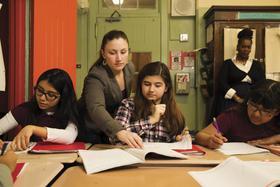
Substitute teacher shortages have become one of the most persistent operational challenges facing public schools in 2026. While teacher absences have always been part of school management, districts across the country are now struggling to find enough qualified substitutes to cover classrooms consistently.
The issue affects far more than scheduling logistics. Substitute shortages can disrupt instruction, increase teacher burnout, strain school budgets, and reduce learning continuity for students. For parents, the problem may raise concerns about classroom stability and educational quality.
As families evaluate school systems through resources like Public School Rankings and Compare Public Schools, understanding how schools handle substitute teacher shortages provides important insight into district leadership, staffing practices, and school resilience.
Why Substitute Teacher Shortages Are Increasing
Several factors have contributed to the ongoing substitute teacher shortage nationwide.
Teacher Burnout and Staffing Pressures
Schools continue to experience staffing strain following years of pandemic-related disruptions, increased behavioral challenges, and rising workload demands. Full-time teacher absences remain elevated in many districts, increasing demand for substitutes.
According to the National Center for Education Statistics, many public schools continue reporting staffing difficulties in both instructional and support positions.
Lower Pay Compared to Other Jobs
Substitute teaching often offers inconsistent work schedules and relatively low daily pay compared with jobs in other industries requiring similar education levels.
In some areas, substitute teachers can earn more predictable wages through retail, hospitality, or remote customer service positions.
Certification Requirements
Some states require substitute teachers to hold college degrees, teaching licenses, or background clearances that can create barriers for potential applicants.
While these standards help maintain classroom quality, they can reduce the available hiring pool during periods of high demand.
Increased Absences During Illness Seasons
Schools frequently face severe shortages during flu season and winter illness surges. Since 2024, many districts have also reported higher staff absences related to mental health leave and stress-related burnout.
How Schools Typically Respond to Substitute Shortages
Public schools have developed multiple strategies to keep classrooms functioning when substitutes are unavailable.
Combining Classes
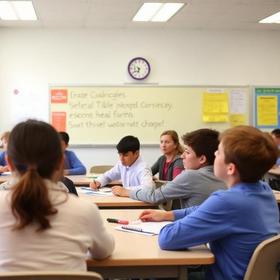
One of the most common short-term solutions involves temporarily combining classrooms.
For example:
- Two classes may meet in larger spaces
- Students may rotate into neighboring classrooms
- Specialists may supervise larger groups temporarily
While this approach helps schools maintain supervision requirements, it can reduce instructional effectiveness and increase classroom management challenges.
Asking Teachers to Cover Extra Classes
Schools often rely on existing staff members to fill coverage gaps during planning periods.
Teachers may:
- Cover another classroom during prep time
- Supervise study halls
- Monitor combined student groups
Some districts provide additional compensation for these extra duties, while others offer time-off incentives or stipends.
However, repeated coverage assignments can contribute to teacher fatigue and morale concerns.
Issues related to staffing and retention are also explored in Teacher Shortage Solutions That Are Working in 2026.
Using Long-Term Substitute Teachers
When schools anticipate extended absences, they often hire long-term substitutes.
These substitutes may:
- Teach full units and lessons
- Grade assignments
- Communicate with parents
- Attend staff meetings
- Follow curriculum pacing guides
Long-term substitutes provide more instructional continuity than day-to-day classroom coverage.
In some districts, retired teachers have become an increasingly valuable source of experienced long-term substitutes.
Expanding the Substitute Hiring Pool
Many school systems have lowered barriers to entry in recent years to attract more substitute teachers.
Districts may now:
- Reduce the minimum college credit requirements
- Offer emergency substitute licenses
- Speed up hiring processes
- Increase substitute pay rates
- Recruit community members and retirees
According to the U.S. Department of Education, multiple states and districts have explored staffing flexibility measures to address educator shortages.
Increasing Substitute Pay and Incentives
One of the most visible responses to substitute shortages has been higher compensation.
Districts across the country have introduced:
- Daily pay increases
- Bonuses for high-need schools
- Incentives for accepting last-minute assignments
- Attendance bonuses for substitutes
- Higher pay for long-term placements
Some districts also partner with staffing agencies that specialize in education personnel management.
Using Virtual Learning Solutions
In some situations, schools use online learning tools when in-person substitutes are unavailable.
For example:
- Students may complete digital assignments independently
- Teachers from other classrooms may supervise virtually
- Recorded lessons may supplement instruction
However, most districts view virtual stopgap measures as temporary solutions rather than long-term replacements for classroom instruction.
Prioritizing Certain Grade Levels
Schools sometimes prioritize substitute coverage based on student age and supervision requirements.
Elementary schools often receive first priority because younger students require closer classroom supervision.
Secondary schools may temporarily use larger study hall models or independent work periods more frequently when shortages occur.
How Substitute Shortages Affect Students
The impact on students varies depending on how frequently shortages occur and how schools manage them.
Reduced Instructional Continuity
Frequent substitute turnover can disrupt lesson pacing, classroom routines, and instructional consistency.
Students may experience:
- Delayed curriculum progress
- Less individualized support
- Reduced classroom engagement
- Increased behavioral disruptions
This can be especially challenging for students already needing additional academic support.
Larger Class Sizes
Temporary classroom combinations can create overcrowded learning environments that make it harder for students to receive personalized attention.
Families concerned about classroom size may also want to review Public Schools in a Minute: 2026 Snapshot Guide.
Increased Teacher Stress
When teachers repeatedly lose planning periods to cover absent colleagues, overall staff morale can decline.
Teacher stress may indirectly affect students through:
- Reduced instructional preparation time
- Slower grading turnaround
- Increased burnout
- Higher staff turnover
Impact on Specialized Services
Substitute shortages can affect specialized programs, including:
- Special education support
- English language learner services
- Elective courses
- Counseling availability
- Intervention programs
Schools often struggle most to find substitutes with specialized training or certification backgrounds.
How Districts Are Trying to Solve the Problem Long-Term
Rather than relying solely on emergency measures, many districts are pursuing broader staffing reforms.
Building Permanent Substitute Programs
Some school systems now employ full-time “building substitutes” assigned to individual campuses.
These staff members:
- Report to the same school daily
- Learn school procedures
- Build relationships with students
- Provide more instructional consistency
Building substitute models have become increasingly common in larger districts since 2023.
Strengthening Teacher Retention
Reducing full-time teacher turnover can help reduce substitute demand overall.
Districts are investing in:
- Teacher mentorship programs
- Mental health support
- Workload reduction initiatives
- Professional development
- Flexible leave policies
School climate and staff support systems are increasingly viewed as critical operational priorities, similar to topics discussed in 10 Major Challenges Facing Public Schools in 2026.
Recruiting Education Students
Some districts partner with local colleges and universities to recruit education majors as substitute teachers.
This approach helps:
- Expand substitute pools
- Provide future teachers with classroom experience
- Strengthen hiring pipelines
Programs involving teacher residency pathways and paid internships have also expanded in recent years.
Improving School Climate
Schools with positive working environments often experience fewer staffing shortages overall.
Administrators increasingly recognize that substitute teachers are more likely to return to schools where:
- Student behavior is well-managed
- Staff are supportive
- Lesson plans are organized
- Communication is clear
Positive school culture can significantly improve substitute retention rates.
What Parents Should Know
Substitute shortages do not necessarily indicate that a school is poorly managed. Even highly rated districts face staffing difficulties in today’s labor market.
However, parents should pay attention to patterns such as:
- Frequent classroom disruptions
- High teacher turnover
- Repeated combined classes
- Long-term vacancies
- Communication gaps
Families researching schools can use resources like Find Public Schools to compare staffing indicators, enrollment trends, and district performance data.
Parents may also consider asking school administrators questions such as:
- How often are substitute shortages occurring?
- Does the school use permanent substitutes?
- How are instructional disruptions minimized?
- What support systems exist for teachers?
Transparent communication often reflects strong school leadership and proactive management.
Conclusion
Substitute teacher shortages have become a major operational challenge for public schools nationwide. In response, districts are using a combination of short-term coverage strategies and long-term staffing reforms to maintain instructional continuity.
While substitute shortages can affect classroom learning, many schools are adapting by expanding hiring pools, increasing pay incentives, investing in teacher retention, and creating more stable substitute staffing systems.
For parents, understanding how public schools handle substitute teacher shortages offers valuable insight into district leadership, workplace culture, and educational stability. In 2026, staffing flexibility and strong school management have become increasingly important indicators of a school system’s ability to support both students and educators effectively.