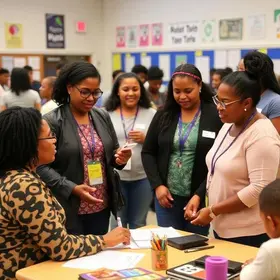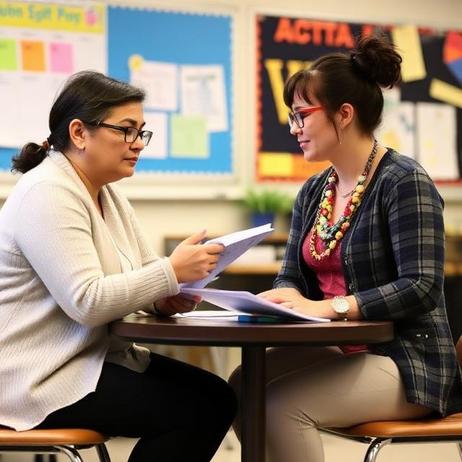
Fall parent-teacher conferences are one of the first major opportunities families and educators have to establish a productive partnership for the school year. Unlike spring meetings, which often focus on year-end performance and placement decisions, fall conferences help identify early academic trends, social adjustment concerns, and communication strategies before small issues become larger problems.
In 2026, parent-teacher conferences continue evolving alongside digital gradebooks, hybrid meeting formats, and increased attention to student wellness and executive functioning skills. Schools now frequently offer both in-person and virtual conference options, giving families more flexibility while also changing how conversations are structured and documented.
For parents, preparing thoughtfully can make these brief meetings significantly more productive. For teachers, organized conferences build trust and improve long-term family engagement. Research consistently shows that students benefit when schools and families communicate regularly and collaboratively.
According to the National Education Association, strong parent-teacher partnerships contribute to better attendance, stronger academic performance, and improved student behavior.
This guide explains how families can prepare for fall parent-teacher conferences, what questions to ask, and how to turn conference feedback into meaningful support throughout the school year.
Why Fall Parent-Teacher Conferences Matter
The first months of school provide important insight into how students are adjusting academically, socially, and emotionally. Teachers are beginning to identify:
- Learning strengths and challenges
- Classroom participation patterns
- Organization and study habits
- Peer relationships
- Behavioral trends
- Attendance concerns
Because the school year is still relatively new, fall conferences offer time to intervene early if support is needed.