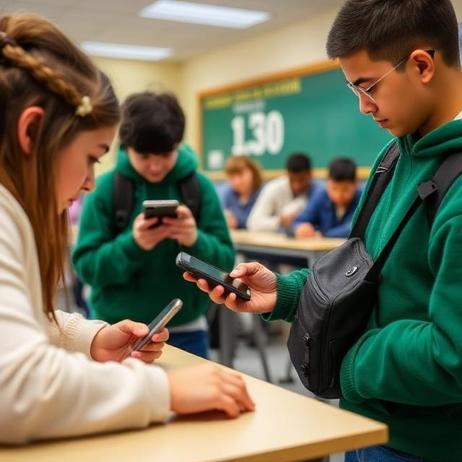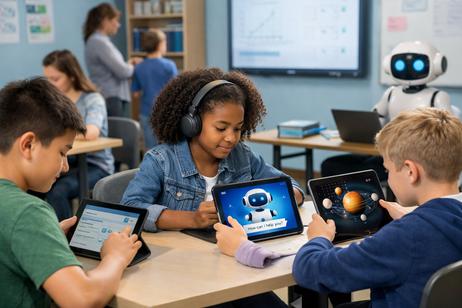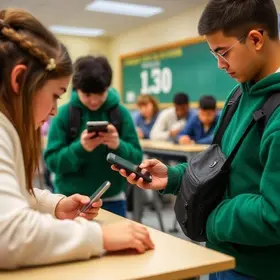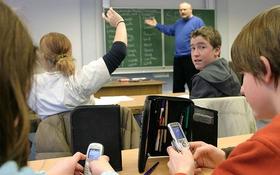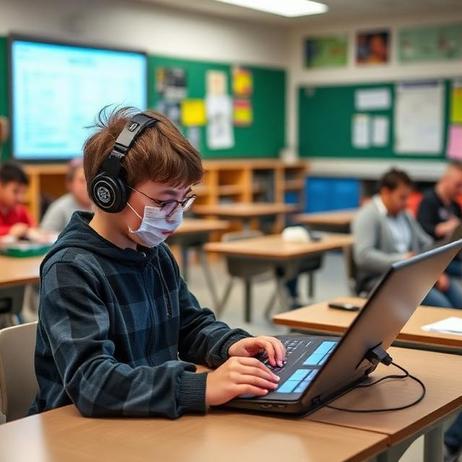
Artificial intelligence has moved from novelty to necessity in many classrooms. By 2026, students routinely use generative AI tools to brainstorm ideas, explain difficult concepts, summarize information, and receive instant feedback. At the same time, educators continue to wrestle with a difficult question: if AI is becoming a standard learning tool, should schools evaluate how students use it?
The concept of an "AI report card" is gaining attention among educators, policymakers, and school leaders. Rather than focusing solely on whether students used AI, proponents argue that schools should assess how responsibly, ethically, and effectively students incorporate AI into their learning.
For public schools, the debate is particularly important. As districts develop AI policies and digital literacy standards, many are beginning to view AI competency as a skill that deserves evaluation, much like research, writing, or technology literacy.
The question is no longer whether students will use AI. The question is whether schools should formally assess that use.
Why AI Use Has Become an Educational Issue
When ChatGPT and other generative AI tools first entered classrooms, many schools focused on detection and prevention. Educators worried about plagiarism, academic dishonesty, and students outsourcing their thinking.
Three years later, the conversation has evolved.
Recent guidance from UNESCO emphasizes a human-centered approach to AI in education, encouraging schools to teach students how to use AI responsibly rather than simply banning it. UNESCO's guidance highlights the importance of transparency, critical thinking, privacy awareness, and ethical use of AI systems in educational settings.