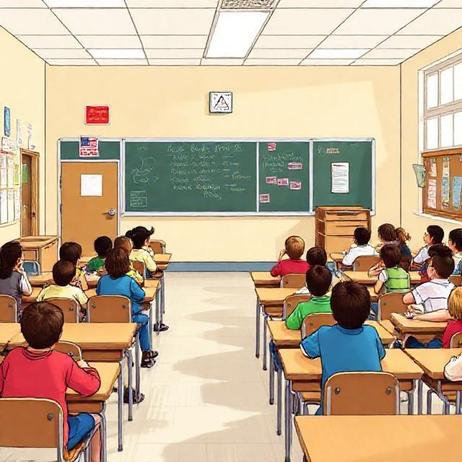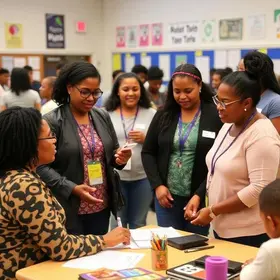
Large schools can feel intimidating at first. Long hallways, crowded cafeterias, packed schedules, and hundreds or even thousands of students can make it difficult for students to feel noticed. For many families, one of the biggest concerns about a large public school is whether their child will feel connected and supported in such a large environment.
Yet large schools also offer opportunities that smaller schools sometimes cannot provide. With more students comes greater diversity, expanded academic programs, larger extracurricular offerings, and a wider variety of social groups. Students who learn how to engage with their school community often discover friendships, mentors, leadership opportunities, and support systems that help them thrive both academically and personally.
Community in a large school rarely happens automatically. Instead, students build it intentionally through activities, relationships, traditions, and shared experiences. Schools that prioritize belonging and student connection can transform a large campus into a network of smaller, welcoming communities.
Why Community Matters in Large Schools
The school community is about more than school pride or attending football games. According to the Centers for Disease Control and Prevention, school connectedness refers to students believing that adults and peers at school care about their learning and about them as individuals.
Research consistently shows that students who feel connected to school are more likely to succeed academically, participate in activities, attend school regularly, and maintain positive mental health. They are also less likely to experience chronic absenteeism, social isolation, or behavioral problems.
In large