Back to School

Learn more about preparing your child and wallet for a new school year. Inside you’ll find valuable advice to help your family prepare for the transition from swimsuits to school. While there is no tuition, public school education does not come without costs. Learn more about budgeting for a new school year and get great money saving tips.

View the most popular articles in Back to School:

What Makes a Public School Feel Welcoming in 2026

Updated
|
What Makes a Public School Feel Welcoming in 2026
Discover how public schools create welcoming environments through inclusion, relationships, student support, and community engagement.

A welcoming public school can shape how students learn, participate, and connect with their community. In 2026, educators are increasingly focused on creating school environments where students feel safe, respected, included, and supported from the moment they walk through the doors.

A school's atmosphere influences far more than first impressions. Welcoming schools often experience stronger student engagement, improved attendance, better parent involvement, and healthier relationships between students and staff. According to the National Center for Education Statistics, positive school climate remains closely connected to academic achievement and student well-being.

While every school community is different, the most welcoming public schools often share several important characteristics.

Positive Relationships Between Students and Staff

One of the strongest indicators of a welcoming school is the quality of relationships between students and adults on campus. Students are more likely to feel comfortable and confident when teachers, counselors, administrators, and support staff consistently show respect, empathy, and encouragement.

Welcoming schools create environments where students feel known as individuals rather than simply names on a roster.

The Role of Support Services in Public Schools: Tutoring, Counseling & More explains how counseling programs, mentoring, and student support systems contribute to stronger emotional well-being and school engagement.

Small Gestures Matter

Many students identify small daily interactions as important parts of feeling welcomed, including:

  • Teachers greeting students by name
  • Staff members checking in regularly
  • Administrators being visible in hallways
  • Coaches and advisors offering encouragement
  • Peer mentoring opportunities

These consistent interactions help students feel valued and connected

. . .read more

The Experience of Being a New Student Mid-Year

Updated
|
The Experience of Being a New Student Mid-Year
Learn what students experience when transferring to a public school mid-year and how schools help new students adjust socially and academically.

Starting at a new public school is challenging under any circumstances, but arriving in the middle of the academic year can feel especially overwhelming. While other students already understand routines, friendships, teacher expectations, and campus culture, mid-year transfer students must adjust quickly to unfamiliar surroundings.

Whether the move is caused by family relocation, housing changes, military transitions, academic needs, or personal circumstances, entering a new school mid-year often affects both academic performance and emotional well-being. Public schools across the country increasingly recognize these challenges and are expanding transition support systems to help new students feel welcomed and connected.

For families, understanding the experience of being a new student mid-year can make the adjustment process smoother and less stressful.

Why Students Transfer Mid-Year

Students transfer schools during the school year for many reasons. Some moves are planned, while others happen unexpectedly.

Common reasons include:

  • Family relocation
  • Changes in housing or custody arrangements
  • Military family reassignment
  • Academic concerns
  • Bullying or social issues
  • School safety concerns
  • Specialized program opportunities
  • Financial or transportation changes

The National Center for Education Statistics tracks student mobility trends and continues to report that millions of students change schools each year. Mid-year transitions are particularly common in larger districts and among highly mobile populations.

While some students adapt quickly, others may struggle academically, socially, or emotionally during the adjustment period.

The First Day Challenges

For many students, the first day at a new school mid-year is the hardest part of the transition.

Unlike the beginning of the school year, there is

. . .read more

What the First Week of Public School Is Really Like

Updated
|
What the First Week of Public School Is Really Like
Discover what students and parents can realistically expect during the first week of public school, from schedules and social adjustment to routines and academics.

The first week of public school is often a mix of excitement, nervousness, confusion, and adjustment for both students and parents. While social media and television frequently portray the beginning of the school year as perfectly organized and exciting, the reality is usually more complicated. Students spend the first several days learning routines, meeting teachers, navigating social dynamics, and adjusting to new expectations.

Whether a child is entering kindergarten, middle school, high school, or transferring into a new district, the opening week sets the tone for the rest of the academic year. Understanding what typically happens during those first few days can help families prepare more effectively and reduce unnecessary stress.

According to the National Center for Education Statistics, public school enrollment patterns continue to evolve in 2026 as districts expand technology integration, student support systems, and school choice initiatives.

For many students, the first week is less about academics and more about learning how the school operates.

Why the First Week Feels Overwhelming

Even confident students often feel anxious during the opening days of school. New classrooms, unfamiliar teachers, changing schedules, crowded hallways, and social uncertainty can create sensory overload, especially for younger children and incoming middle or high school students.

Students commonly worry about:

  • Finding classrooms
  • Remembering schedules
  • Meeting teachers
  • Making friends
  • Understanding school rules
  • Managing lockers and technology
  • Navigating lunch periods

Parents frequently underestimate how mentally exhausting the first few days can be. Many students come home unusually tired during the opening week because they are processing large

. . .read more

The Experience of Transferring Between Public Schools

Updated
|
The Experience of Transferring Between Public Schools
Learn what families should expect when transferring between public schools, from paperwork and academics to social adjustment and school choice.

Changing schools can be one of the most significant transitions a student experiences during childhood or adolescence. Whether prompted by a family move, academic concerns, school zoning changes, or the search for specialized programs, transferring between public schools involves more than simply updating paperwork. It often affects academics, friendships, routines, extracurricular involvement, and emotional well-being.

In recent years, student mobility between public schools has increased as districts expand school choice programs, open enrollment policies, magnet pathways, and transfer options. According to the National Center for Education Statistics, millions of students change schools each year due to relocation, district policies, or family preference.

For parents, understanding the full experience of transferring between public schools can make the process smoother and less stressful for everyone involved.

Why Families Transfer Between Public Schools

Families transfer students between public schools for many reasons. Some transfers are voluntary, while others are unavoidable.

Common reasons include:

  • Relocation to a new neighborhood or state
  • Access to stronger academic programs
  • Enrollment in magnet or STEM schools
  • Safety or bullying concerns
  • Special education or support service needs
  • Changes in family circumstances
  • School zoning adjustments
  • Desire for smaller learning environments

The growth of school choice initiatives has also made transfers more common. As explained in School Choice in 2026: What Parents Must Know, many states now offer expanded interdistrict and intradistrict transfer opportunities.

The Administrative Side of Transferring

One of the first challenges families encounter is navigating the administrative process. While transferring between public schools is generally easier than transferring

. . .read more

The Logistics of Opening a Public School Each Year

Updated
|
The Logistics of Opening a Public School Each Year
Explore the logistics of opening a public school each year, from staffing and budgeting to transportation and safety planning.

The logistics of opening a public school each year are far more complex than most families realize. While students and parents often focus on the first day of school, districts spend months coordinating staffing, transportation, curriculum, facilities, and safety systems to ensure a smooth start.

In 2026, these logistical efforts have become even more intricate. Schools must balance academic recovery efforts, evolving safety expectations, technology integration, and staffing challenges. For parents evaluating schools, understanding how districts manage these moving parts offers valuable insight into overall school quality and organization.

This article explores the key operational steps that shape the annual reopening of public schools, highlighting the planning, coordination, and problem-solving required behind the scenes.

Strategic Planning Begins Months in Advance

The logistics of opening a public school each year typically begin well before summer. District administrators start planning in late winter or early spring, using enrollment projections, budget forecasts, and policy updates to guide decisions.

Enrollment trends are especially critical. Districts rely on historical data, housing development patterns, and demographic shifts to estimate how many students will attend each school. The National Center for Education Statistics provides ongoing data resources at https://nces.ed.gov, which many districts use as part of broader planning efforts.

Accurate projections influence nearly every logistical decision, including:

  • Staffing levels
  • Classroom assignments
  • Transportation routes
  • Supply orders
  • Budget allocations

Even small miscalculations can create ripple effects, such as overcrowded classrooms or underutilized resources.

Staffing: Recruiting and Retaining Educators

One of the most significant challenges in recent years has

. . .read more

Recent Articles

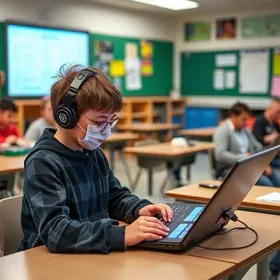
AI Report Cards: Should Schools Evaluate AI Use?
Explore whether schools should assess student AI use, the benefits, risks, and what responsible AI report cards could look like in 2026.
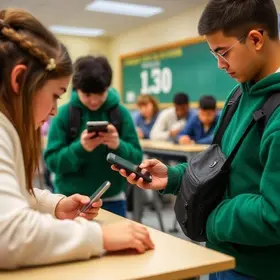
The Parent’s Guide to School Cell Phone Bans in 2026
Learn how school cell phone bans work in 2026, why districts are adopting them, and what parents should expect.
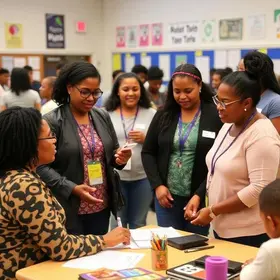
Parental Involvement in Public Schools: 2026 Update
Explore the latest 2026 trends, research, and strategies shaping parental involvement in public schools and student success.

Notice: Javascript file does not exist: /home/devsarath/workspace/psr/public_html/javascript/components/popper.min.js in /home/devsarath/workspace/shared/misc/JSCompiler.inc.php on line 242

Notice: Javascript file does not exist: /home/devsarath/workspace/psr/public_html/javascript/components/tippy.min.js in /home/devsarath/workspace/shared/misc/JSCompiler.inc.php on line 242

Notice: Directory does not exist in /home/devsarath/workspace/shared/misc/JSCompiler.inc.php on line 242

Notice: Unable to save compiled js file in /home/devsarath/workspace/shared/misc/JSCompiler.inc.php on line 242