The question of whether public schools are ready for the 21st century has been debated for decades. In 2026, the conversation is more relevant than ever. Artificial intelligence, rapid workforce changes, mental health challenges, and evolving expectations from families have transformed what students need from their education.
While public schools have made significant progress in areas such as technology integration, personalized learning, and career readiness, challenges remain. Funding disparities, teacher shortages, and uneven access to advanced learning opportunities continue to affect how effectively schools prepare students for the future.
So, are public schools ready for the 21st century in 2026? The answer is increasingly positive, but readiness varies widely across districts and communities.
What Does a 21st-Century Education Look Like?
For many years, academic success was measured primarily through standardized testing and content mastery. Today's employers and higher education institutions increasingly value a broader set of skills, including:
- Critical thinking
- Problem-solving
- Communication
- Collaboration
- Digital literacy
- Adaptability
- Creativity
- Civic engagement
According to the World Economic Forum's Future of Jobs research, analytical thinking, resilience, technological literacy, and lifelong learning are among the most important workforce skills for the coming decade.
Modern public schools are increasingly shifting toward instructional models that develop these competencies alongside traditional academic subjects.
Where Public Schools Have Made Significant Progress
Technology Integration Has Become Standard
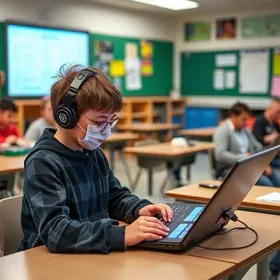
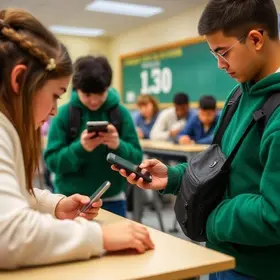
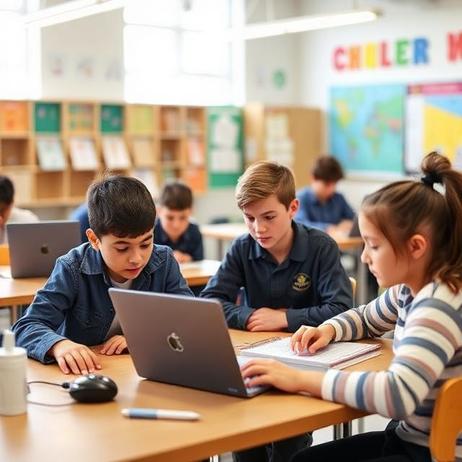
The pandemic-era acceleration of educational technology permanently changed classroom instruction. Many districts now provide students with devices, cloud-based learning platforms, and digital collaboration tools.
Technology is no longer viewed as