Public schools in a minute, that is the goal of this guide. For parents and students navigating today’s education landscape, having a clear, concise understanding of public education is more important than ever. While the system is vast and complex, a few key data points and trends can quickly bring the big picture into focus.
In 2026, public schools will continue to serve as the backbone of American education, educating the overwhelming majority of K–12 students. Yet they are also evolving in response to demographic shifts, funding challenges, technology integration, and growing school choice options.
This updated snapshot offers a fast, fact-based overview of public schools today, along with deeper context to help families make informed decisions.
What Are Public Schools?
Public schools are taxpayer-funded institutions operated by local school districts and governed by state and federal guidelines. They are free to attend and open to all students within a designated geographic area.
Key characteristics include:
Funded primarily through state and local taxes
Required to follow state curriculum standards
Staffed by certified teachers
Accountable through standardized testing and public reporting
For a closer look at how public education compares to other options, see Public School vs Private School: Key Differences.
Public Schools by the Numbers (2026 Update)
Here is a quick “in a minute” statistical snapshot of public schools in the United States:
|
Category |
2026 Estimate |
|---|---|
|
Total public schools |
~98,000 |
|
Total students enrolled |
~49 million |
|
Average class size |
20–25 students |
|
High school graduation rate |
~87% |
|
Students eligible for free/reduced lunch |
~52% |
According to the National Center for Education Statistics, public schools continue to educate about 90 percent of all U.S. students, reinforcing their central role in the education system.
Who Attends Public Schools?
Public schools serve a highly diverse student population. This diversity reflects the broader demographics of the United States and is one of the defining features of the system.
Key demographic trends
Increasing racial and ethnic diversity in most districts
Growing population of English language learners
Rising percentage of students from low-income households
More students requiring specialized services
These shifts have led schools to expand support programs, including:
English language development programs
Special education services
Free and reduced meal programs
Mental health and counseling resources
How Public Schools Are Funded
Public school funding varies widely depending on location, which remains one of the most significant issues in education today.
Primary funding sources
Local property taxes
State government allocations
Federal funding, typically about 8–10% of total budgets
Funding disparities between districts can impact:
Class sizes
Teacher salaries
Facility quality
Access to technology and extracurriculars
For more on how funding differences affect school quality, explore Why School Funding Matters.
Academic Performance and Accountability
Public schools are held accountable through standardized testing, graduation rates, and state performance metrics.
What families should know
Most states administer annual assessments in math and reading
Schools receive ratings or report cards based on performance
Federal accountability guidelines stem from the Every Student Succeeds Act
Graduation rates have steadily improved over the past decade, although achievement gaps persist across income and demographic groups.
The Rise of School Choice Within Public Education
One of the most important developments in recent years is the expansion of school choice options within the public system itself.
Common public school choice options
Charter schools
Magnet schools
Open enrollment policies
Specialized academies (STEM, arts, language immersion)
These options allow families to select schools outside their assigned neighborhood, often based on academic focus or teaching style.
Learn more in What Are Charter Schools?.
Technology and Innovation in 2026
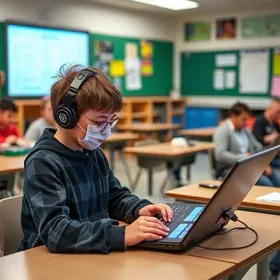
Public schools have significantly expanded their use of technology since 2020, and that trend continues in 2026.
Current innovations include
One-to-one device programs
Hybrid and blended learning models
AI-assisted tutoring tools
Expanded digital curriculum resources
The U.S. Department of Education highlights the importance of digital access and equity in its ongoing initiatives, detailed at https://www.ed.gov.
While technology has improved access and personalization, it has also raised concerns about screen time, data privacy, and equitable access across districts.
Teacher Workforce and Challenges
Teachers remain the most important factor in student success, yet staffing challenges persist.
Key issues in 2026
Teacher shortages in STEM, special education, and rural areas
Increased burnout and turnover rates
Ongoing debates about compensation and support
Districts are responding with:
Signing bonuses and retention incentives
Alternative certification pathways
Expanded professional development programs
Safety and Student Well-Being
School safety continues to be a priority for families and policymakers.
Areas of focus
Physical security measures
Mental health services
Anti-bullying programs
Emergency preparedness
The Centers for Disease Control and Prevention provides guidance on student well-being, emphasizing the connection between mental health and academic success.
Advantages of Public Schools
Public schools offer several key benefits that continue to attract families:
Free access to education
Wide range of extracurricular activities
Diverse student populations
Access to specialized services
Strong community connections
They also provide continuity, allowing students to progress through a consistent system from kindergarten through high school.
Challenges Facing Public Schools
Despite their strengths, public schools face ongoing challenges:
Funding inequities between districts
Overcrowding in some regions
Achievement gaps among student groups
Teacher shortages
Balancing innovation with consistency
Understanding these challenges helps families ask better questions and advocate effectively for their children.
How to Evaluate a Public School
When choosing or evaluating a public school, families should look beyond test scores alone.
Key factors to consider
Academic performance and growth
Teacher experience and retention
School culture and climate
Extracurricular opportunities
Class sizes
Parent involvement
For practical guidance, see How to Choose the Right Public School.
Quick Summary: Public Schools in a Minute
If you only have a minute, here is what matters most:
Public schools serve about 49 million students nationwide
They are free and funded by taxpayers
Academic outcomes are improving, but gaps remain
School choice options are expanding within the system
Technology is reshaping classrooms
Funding and staffing challenges continue
This snapshot highlights both the scale and complexity of public education in 2026.
FAQ
Are public schools still the best option for most families?
For many families, yes. Public schools offer accessibility, diverse programs, and no tuition cost. However, the best choice depends on individual student needs and local school quality.
How can I find the best public schools in my area?
Start by reviewing school report cards, visiting campuses, and speaking with other parents. Consider both academic and social factors.
Are public schools improving?
In many areas, yes. Graduation rates are rising, and schools are adopting new technologies and teaching strategies. However, progress varies by district.
What is the biggest challenge facing public schools today?
Funding inequality remains one of the most significant challenges, affecting resources, staffing, and student outcomes.
Conclusion
Public schools in a minute may sound ambitious, but understanding the fundamentals is entirely achievable. In 2026, public education remains a vital, evolving system that serves millions of students across diverse communities.
For families, the key is not just understanding the system, but engaging with it. Visiting schools, asking questions, and staying informed can make all the difference in finding the right fit.
Public schools in a minute provide the snapshot. Thoughtful exploration provides the full picture.