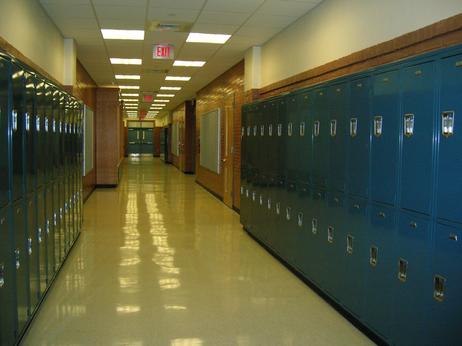
When families evaluate public schools, they often focus on academics, teacher quality, class size, and extracurricular opportunities. Yet one important factor frequently goes unnoticed: the design and function of a school’s shared spaces. Hallways, cafeterias, libraries, courtyards, and student commons all influence how students learn, interact, and feel during the school day.
In modern education, these areas are no longer viewed as simple transitional spaces. Educators and architects increasingly recognize that shared spaces help shape school culture, student engagement, collaboration, and even safety outcomes. In many districts, redesigned common areas are becoming central to broader efforts aimed at improving student well-being and creating more inclusive learning environments.
As schools continue adapting to changing educational needs in 2026, the role of hallways, common areas, and shared spaces has become more important than ever.
Why Shared Spaces Matter in Public Schools
A student’s experience at school extends beyond the classroom. Much of the school day involves movement between classes, lunch periods, informal conversations, group activities, and independent study. The quality of these experiences often depends on the design and atmosphere of common areas.
Well-designed shared spaces can support:
- Student collaboration
- Informal learning opportunities
- Social development
- School safety
- Mental wellness
- Stronger school community connections
Research from the National Center for Education Statistics continues to show that school climate significantly affects attendance, behavior, and academic performance. Shared spaces play a major role in shaping that climate.
Additional guidance on school climate and student engagement can also be found through the U.S. Department of Education.
Modern public schools increasingly use flexible layouts, open seating, collaborative lounges, and multipurpose learning hubs to encourage interaction and engagement outside traditional classroom settings.
Hallways as Learning Environments
For decades, school hallways were designed primarily for efficiency, helping students move quickly between classrooms. Today, many districts are rethinking this approach.
Hallways are increasingly being transformed into active learning environments. Schools now incorporate:
- Flexible seating areas
- Student artwork displays
- Collaborative workstations
- Digital information boards
- Quiet reading corners
- Project presentation spaces
These additions help turn transitional areas into extensions of the classroom.
Some schools have adopted “learning corridors,” where students can gather for small-group discussions or independent work throughout the day. This trend aligns with broader shifts toward personalized and collaborative learning models, similar to those discussed in competency-based education models in public schools.
In elementary schools, colorful and interactive hallway designs may reinforce literacy, math, or science concepts. In secondary schools, hallways often feature career readiness displays, student achievement showcases, and collaborative seating designed to support peer interaction.
Common Areas and Student Collaboration
Shared spaces play an important role in encouraging collaboration and communication among students.
Modern public schools increasingly emphasize teamwork, project-based learning, and peer engagement. Cafeterias, media centers, and student commons are frequently designed with this educational philosophy in mind.
Collaborative environments help students develop:
- Communication skills
- Problem-solving abilities
- Leadership experience
- Social confidence
- Conflict resolution skills
In many districts, libraries have evolved into “media commons” that combine technology access, collaborative seating, tutoring support, and flexible instructional areas. Rather than functioning solely as quiet reading spaces, these areas now support multiple styles of learning throughout the day.
High schools in particular are investing in student commons that resemble college campuses or workplace environments. These spaces often include charging stations, movable furniture, and small breakout areas that encourage independent study and collaboration.
Research on collaborative educational design is also available through the American Institute of Architects.
The Connection Between Shared Spaces and School Safety
School design also influences safety and supervision.
In recent years, districts across the country have prioritized safer and more visible campus layouts. Hallways and common areas are now designed to balance openness with security.
According to Public School Safety Protocols in 2025, many schools are increasing adult visibility throughout hallways and shared areas to improve supervision and student support.
| Safety Feature | Purpose |
|---|---|
| Wider hallways | Reduce congestion and improve movement |
| Open sightlines | Increase visibility for staff |
| Controlled entrances | Improve visitor monitoring |
| Multipurpose commons | Centralize student activity |
| Surveillance systems | Support campus security efforts |
Some districts are also integrating behavioral support strategies into common area design. Schools may create calming spaces, wellness rooms, or quiet zones that help students manage stress during the school day.
At the same time, schools must balance safety measures with student privacy and comfort. Discussions around hallway monitoring and surveillance continue to evolve.
Shared Spaces and Student Mental Health
Student mental health remains a major focus for educators in 2026. School environments increasingly reflect the understanding that physical surroundings affect emotional well-being.
Overcrowded hallways, poor lighting, excessive noise, and limited gathering areas can contribute to stress and anxiety. In contrast, thoughtfully designed shared spaces may help students feel more comfortable, connected, and supported.
Schools are responding by incorporating:
- Natural lighting
- Comfortable seating
- Outdoor courtyards
- Wellness centers
- Flexible gathering spaces
- Quiet reflection areas
These changes align with broader educational trends emphasizing student well-being and equity.
Districts serving diverse student populations are especially focused on creating inclusive environments where students feel welcomed and respected. Public School Review’s article on Equity and Access in Public Schools in 2025 highlights how school environments influence participation and engagement across demographic groups.
Shared spaces can also strengthen relationships between students and staff, creating more opportunities for informal interaction and mentorship outside formal classroom instruction.
Outdoor Shared Spaces Are Expanding
Outdoor learning environments have also gained popularity in public schools.
Courtyards, gardens, outdoor classrooms, and recreational gathering spaces are increasingly viewed as valuable extensions of the educational environment. These areas support physical activity, reduce stress, and provide opportunities for experiential learning.
Urban districts, in particular, are investing in outdoor learning initiatives as part of broader campus redesign efforts.
Outdoor common areas may include:
- Amphitheater seating
- School gardens
- Collaborative patios
- Science learning stations
- Physical activity zones
These spaces can support both academic instruction and informal social interaction.
How Shared Spaces Reflect School Culture
A school’s physical environment often communicates its priorities and values.
Schools that invest in welcoming, student-centered common areas frequently aim to foster stronger community engagement and inclusivity. Displays celebrating student achievements, cultural diversity, arts programs, and extracurricular participation can help students feel connected to the broader school community.
Shared spaces also influence family perceptions during school visits and tours. Clean, organized, and vibrant common areas often create a stronger sense of trust and professionalism.
For parents evaluating public school options, paying attention to hallways, cafeterias, libraries, and gathering spaces can provide meaningful insight into school climate and culture.
Questions families may consider include:
- Are students interacting respectfully in shared spaces?
- Is the environment welcoming and inclusive?
- Are common areas well-supervised?
- Do students have spaces for collaboration and independent work?
- Does the school appear to prioritize student wellness?
These observations can complement traditional academic indicators when comparing schools.
The Future of Shared Spaces in Public Education
As public education continues evolving, shared spaces will likely play an even larger role in school design and educational strategy.
Emerging trends include:
- Flexible multipurpose learning environments
- Technology-integrated collaboration hubs
- Wellness-focused campus layouts
- Outdoor instructional spaces
- Community partnership centers
- Student-centered campus planning
Districts are increasingly recognizing that learning happens everywhere on campus, not just inside classrooms.
The role of hallways, common areas, and shared spaces reflects a broader shift toward holistic education models that support academic growth, social development, emotional wellness, and community engagement simultaneously.
For families, educators, and policymakers, understanding the importance of these environments offers a valuable perspective on what makes a school truly supportive and effective in 2026.