About Public Schools

Here we cover the history of public schools, explain the various types and discuss their pros/cons. Learn more about technology on campus, health and nutrition issues, and the latest information related to a variety of student populations.

View the most popular articles in About Public Schools:

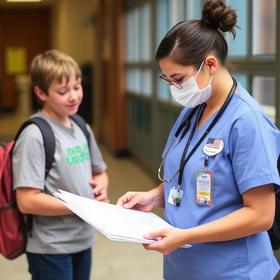
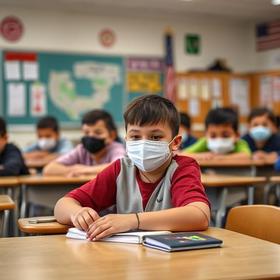
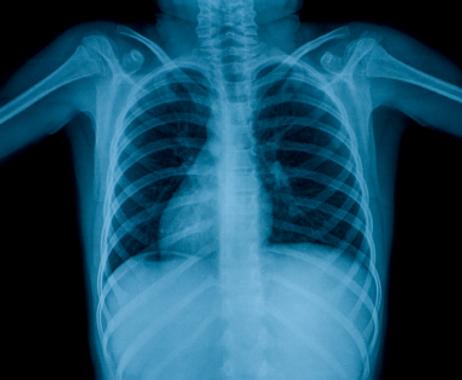
Tuberculosis at Public Schools: Symptoms and Precautions

Updated
|
Tuberculosis at Public Schools: Symptoms and Precautions
Public schools have been the recent grounds of tuberculosis infections. Learn about the symptoms and how to protect your child from catching tuberculosis.

Tuberculosis is often thought of as a disease that primarily strikes underserved communities and regions with limited healthcare access. However, recent cases of tuberculosis in public schools in the United States have raised new concerns about the illness right here at home. While the risk of getting tuberculosis in this country is still relatively rare, it is not completely out of the question. This article will explore the new cases of tuberculosis that have been reported at schools around the country, as well as a brief overview of the illness and some of the symptoms to watch.

What is Tuberculosis?

According to the Centers for Disease Control and Prevention (CDC), tuberculosis (TB) is an infectious disease caused by the bacterium Mycobacterium tuberculosis. These bacteria can survive in the body for years in a dormant state, which explains why some people can test positive for the infection but not present with any symptoms of the disease. While tuberculosis ran rampant during the past two centuries, incidences of the disease are much lower today in most industrialized nations. However, in other parts of the world, tuberculosis is still a big problem, and health experts estimate that around one-third of the world's population is infected.

How is Tuberculosis Spread?

Tuberculosis is spread through the air when a person who has an active form of the illness coughs, sneezes, or talks, but it takes significant exposure over a period of time to actually "catch" the disease. The CDC


. . .read more

Expired Food Served in Public School Cafeterias

Updated
|
Expired Food Served in Public School Cafeterias
First it was salmonella and E.Coli. Now it is expired food, some frozen two years after its original purchase. What are public school cafeterias serving our children?

School cafeteria food has never been a particularly gourmet experience, but parents can at least rest assured the food their children are eating at school is relatively fresh and safe, right? Maybe not. Recent reports about two different school districts suggest that some systems are not as vigilant about food expiration dates as they should be. We'll take a closer look at these expired food allegations and find out what the districts in question are now doing to ensure a safe fare is served to their student body daily.

This video reports on expired food being served in Douglas County schools.

Outdated Food Raising a Ruckus in Boston

Boston schools are currently investigating allegations that the cafeterias may be offering students food that has gone long past its expiration date. According to a report at Boston.com, Councilor at Large John Connolly began his investigation after receiving reports about expired food in some schools around the Boston area. Connolly checked the kitchens of four different schools to see if the reports had any substantial basis. As a result of his personal research, he showed up at a recent City Council meeting with nine photos of food in school cafeterias that had been reportedly frozen for up to two years. This timeframe goes well beyond USDA's freezer storage guidelines and raised serious concerns with educators and parents alike.

After the City Council meeting,

. . .read more

Last-In-First-Out Teacher Tenure Rule is Under Attack

Updated
|
Last-In-First-Out Teacher Tenure Rule is Under Attack
Teacher tenure continues to spark passionate debate, and many states are now considering striking down teacher tenure. Learn more about how this education mainstay may no longer dictate the teaching profession in the future.

Tenure has long rewarded experienced teachers and ensured their benefits, pay, and job security. However, many education experts today question whether tenure is the best way to keep the best teachers on the job, particularly in light of recent budget cuts that have led some states to resort to teacher layoffs to minimize costs.

The argument is that a teacher who has been on the job for two years may be able to make a greater impact on students than a teacher who has worked in schools for 22 years. By keeping teachers strictly according to longevity, school districts may lose some of their best and brightest faculty, which is not the best choice for students.

Teachers argue that tenure is necessary to allow teachers the freedom to exercise teaching methods that benefit students without as much concern over test results. Which side is right? We will explore arguments for and against teacher tenure and some potential changes in the air.

Layoffs Coming in New York: Who Will be the First to Go?

Like other states, New York faces some tough decisions when balancing the state budget. Mayor Michael L. Bloomberg has warned that layoffs are coming, and many of those who get pink slips will be public teachers in the heart of New York City. According to a recent report at the Wall Street Journal, the city's mayor predicts that more than 6,000 teachers will have to be laid off on his watch. Currently,

. . .read more

Free Breakfasts at Public Schools

Updated
|
Free Breakfasts at Public Schools
Learn how free breakfasts at public schools work in 2026, including eligibility, universal meal programs, and student achievement benefits.

This article has been updated to reflect 2026 data and recent developments.

Free breakfasts at public schools have become an increasingly important part of the effort to support student health, equity, and academic success. What began as a targeted assistance program has evolved in recent years, with many states and districts expanding access to ensure that all students can start the school day ready to learn.

Today, school breakfast programs are not only addressing hunger but also contributing to improved attendance, better academic performance, and reduced disparities among students.

How Free Breakfast Programs Work

The primary source of funding for free breakfasts at public schools is the federal School Breakfast Program (SBP), administered by the U.S. Department of Agriculture. Schools receive reimbursement for meals served, with higher rates for students from low-income households.

In recent years, participation has expanded through the Community Eligibility Provision (CEP), which allows high-poverty schools to offer free meals to all students without requiring individual applications.

According to the USDA, more than 15 million students participated in the School Breakfast Program daily in 2024, reflecting continued recovery and growth following pandemic disruptions.

The Rise of Universal Free School Meals

A major shift since 2024 has been the expansion of universal free meal programs at the state level. Several states, including California, Colorado, Maine, and Minnesota, now provide free breakfast and lunch to all public school students regardless of income.

These policies aim to:

  • Eliminate stigma associated with free meals
  • Simplify administrative processes
  • Ensure consistent access to nutrition

Other states are piloting similar programs or expanding eligibility

. . .read more

New Report: Best (and Worst) Charter School Environments in America

Updated
|
New Report: Best (and Worst) Charter School Environments in America
The National Alliance for Public Charter Schools releases its annual report ranking states based on their charter school laws. Minnesota tops the list, while Florida makes significant progress. The report highlights changes in state legislation and their impact on charter school environments.

New Report: Best (and Worst) Charter School Environments in America

Amidst the heated debate surrounding charter vs. traditional schools, one conclusion has been clear: charter schools may only be as good as the laws that govern them. To find out which states offer the best environment for charter school growth and development, the National Alliance for Public Charter Schools issues an annual report on the best – and worst – state charter laws in the country. The results for 2010 were recently printed in the 2011 NAPCS State Charter Law Ranking Report and we have the highlights of the findings below.

What is the NAPCS?

The National Alliance for Public Charter Schools is considered the leading nonprofit organization committed to the success of charter schools throughout the country. The goal of this organization is to "increase the number of high-quality charter schools available to all families, particularly in disadvantaged communities that lack access to quality public schools," according to the organization's website. To achieve this purpose, the NAPCS provides information about the current state of charter schools across the country, including this report on the state of charter laws in every state.

In this video, the Executive Director of The National Alliance for Public Charter Schools explains how the organization works.

The NAPCS website reports that significant legislative changes were made in various states during 2010. These changes made

. . .read more

Recent Articles

AI Report Cards: Should Schools Evaluate AI Use?
Explore whether schools should assess student AI use, the benefits, risks, and what responsible AI report cards could look like in 2026.
The Parent’s Guide to School Cell Phone Bans in 2026
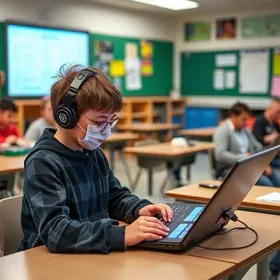
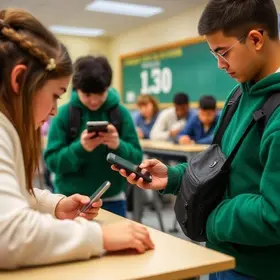
Learn how school cell phone bans work in 2026, why districts are adopting them, and what parents should expect.
Parental Involvement in Public Schools: 2026 Update
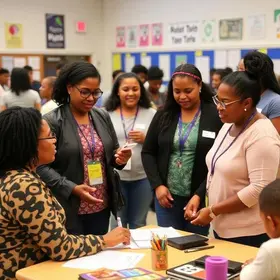
Explore the latest 2026 trends, research, and strategies shaping parental involvement in public schools and student success.

About Public Schools

OVERVIEW OF PUBLIC SCHOOLS
A comprehensive look at the U.S. public school system, including history, governing bodies, funding, and services. Compare private, public and charter schools. Learn more about Magnet school programs and get tips on choosing the right school for your child.
TYPES OF PUBLIC SCHOOLS
Explore the different types of public schools, from charter to language immersion, and learn about the unique pros and cons of each type. Is a co-ed or single sex classroom best for your child? Charter school or magnet? Read expert advice and get valuable tips on the various public education programs available and how to choose what works best for your family.
TECHNOLOGY ON CAMPUS
From eBooks to web cams, technology on campus continues to grow. Learn how the latest technology impacts your child’s education. Get tips on the best ways to integrate technology into education and stay abreast of the latest developments and challenges facing schools.
HEALTH AND NUTRITION AT SCHOOL
From vending machines to Jamie Oliver, bed bugs to tuberculosis, we provide an in-depth look at health and wellness in public schools. Help your kids stay healthy on campus and learn about current health epidemics, vaccination requirements, physical fitness programs and the latest food initiatives.
BACK TO SCHOOL
Learn more about preparing your child and wallet for a new school year. Inside you’ll find valuable advice to help your family prepare for the transition from swimsuits to school. While there is no tuition, public school education does not come without costs. Learn more about budgeting for a new school year and get great money saving tips.
STUDENT POPULATIONS
The latest trends, laws and resources for a variety of student populations. Every child has different needs, and this section offers helpful information for LGBT, special education, gifted, low-income, and minority students.

Notice: Javascript file does not exist: /home/devsarath/workspace/psr/public_html/javascript/components/popper.min.js in /home/devsarath/workspace/shared/misc/JSCompiler.inc.php on line 242

Notice: Javascript file does not exist: /home/devsarath/workspace/psr/public_html/javascript/components/tippy.min.js in /home/devsarath/workspace/shared/misc/JSCompiler.inc.php on line 242

Notice: Directory does not exist in /home/devsarath/workspace/shared/misc/JSCompiler.inc.php on line 242

Notice: Unable to save compiled js file in /home/devsarath/workspace/shared/misc/JSCompiler.inc.php on line 242