About Public Schools

Here we cover the history of public schools, explain the various types and discuss their pros/cons. Learn more about technology on campus, health and nutrition issues, and the latest information related to a variety of student populations.

View the most popular articles in About Public Schools:

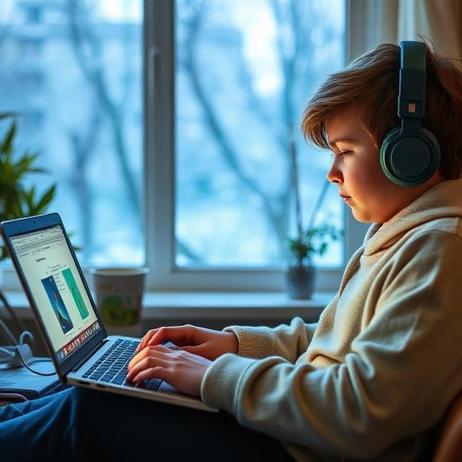
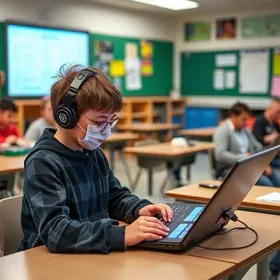
AI Report Cards: Should Schools Evaluate AI Use?

Updated
|
AI Report Cards: Should Schools Evaluate AI Use?
Explore whether schools should assess student AI use, the benefits, risks, and what responsible AI report cards could look like in 2026.

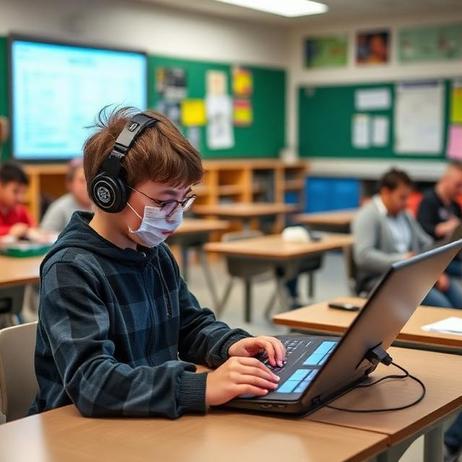
Artificial intelligence has moved from novelty to necessity in many classrooms. By 2026, students routinely use generative AI tools to brainstorm ideas, explain difficult concepts, summarize information, and receive instant feedback. At the same time, educators continue to wrestle with a difficult question: if AI is becoming a standard learning tool, should schools evaluate how students use it?

The concept of an "AI report card" is gaining attention among educators, policymakers, and school leaders. Rather than focusing solely on whether students used AI, proponents argue that schools should assess how responsibly, ethically, and effectively students incorporate AI into their learning.

For public schools, the debate is particularly important. As districts develop AI policies and digital literacy standards, many are beginning to view AI competency as a skill that deserves evaluation, much like research, writing, or technology literacy.

The question is no longer whether students will use AI. The question is whether schools should formally assess that use.

Why AI Use Has Become an Educational Issue

When ChatGPT and other generative AI tools first entered classrooms, many schools focused on detection and prevention. Educators worried about plagiarism, academic dishonesty, and students outsourcing their thinking.

Three years later, the conversation has evolved.

Recent guidance from UNESCO emphasizes a human-centered approach to AI in education, encouraging schools to teach students how to use AI responsibly rather than simply banning it. UNESCO's guidance highlights the importance of transparency, critical thinking, privacy awareness, and ethical use of AI systems in educational settings.
. . .read more

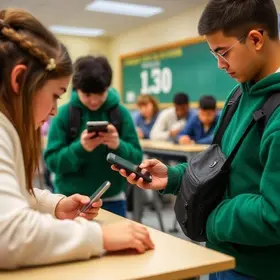
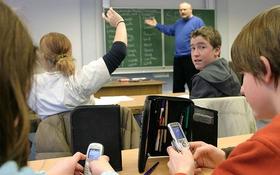
The Parent’s Guide to School Cell Phone Bans in 2026

Updated
|
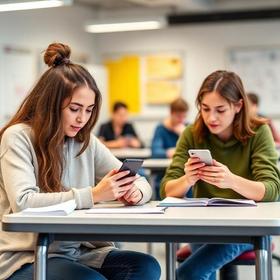
The Parent’s Guide to School Cell Phone Bans in 2026
Learn how school cell phone bans work in 2026, why districts are adopting them, and what parents should expect.

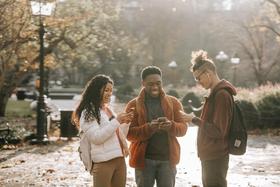
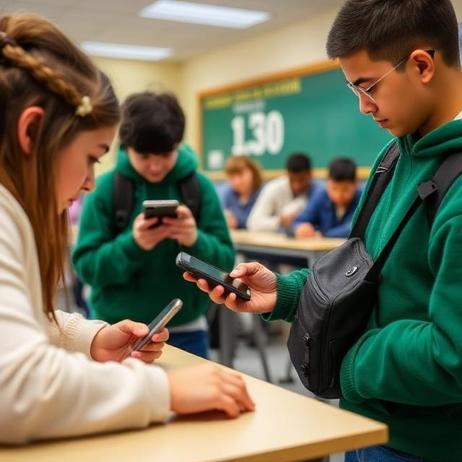
School cell phone bans have moved from a local school policy debate to a nationwide education trend. In 2026, public school districts across the United States are implementing stricter restrictions on student smartphone use, while many states have enacted laws requiring schools to adopt phone-free learning environments.

For parents, the shift raises important questions. Will banning phones improve learning? How do schools handle emergencies? What happens when students need technology for educational purposes?
This guide explains what school cell phone bans look like in 2026, why they are becoming more common, and how families can prepare.

Why School Cell Phone Bans Are Expanding

The primary argument behind school cell phone bans is simple: educators believe smartphones are a major source of distraction.

Recent data from the National Center for Education Statistics found that more than half of public school leaders reported negative effects from student cellphone use on academic performance, while even larger percentages cited concerns about attention spans and mental health. According to NCES, 77% of public schools already prohibit cellphone use during class time.

Parents may be surprised to learn that the movement is no longer limited to individual districts. Several states have adopted statewide restrictions or requirements that schools create formal cellphone policies, making phone-free classrooms a mainstream education policy rather than an experimental approach.

For many educators, the goal is not to eliminate technology. Most schools already provide students with district-issued laptops or tablets for instruction. Instead, the focus is reducing nonacademic distractions caused

. . .read more

The Role of Arts in Public Schools (2026 Update)

Updated
|
The Role of Arts in Public Schools (2026 Update)
Explore how arts education supports academic success, mental health, creativity, and career readiness in public schools in 2026.

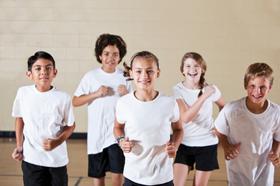
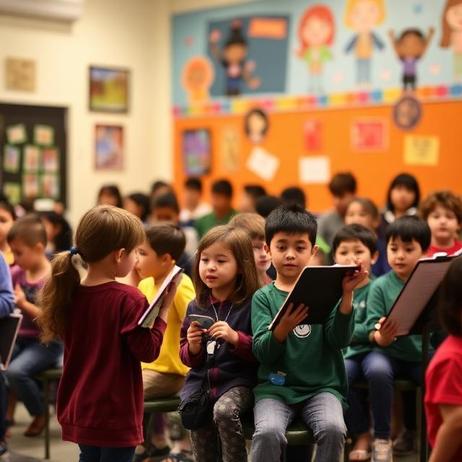
rts education continues to play a critical role in American public schools in 2026. While debates over school funding, testing standards, and academic recovery remain ongoing, educators and policymakers increasingly recognize that arts programs are not optional enrichment activities. They are an essential component of a well-rounded education.

Music, theater, dance, visual arts, and digital media programs support student achievement, strengthen social-emotional development, and improve overall school engagement. As schools continue addressing student mental health concerns, chronic absenteeism, and workforce readiness, arts education has become more relevant than ever.

According to the National Endowment for the Arts, arts participation supports creativity, communication, and cultural understanding, all of which are increasingly important in modern education and employment environments.

For families evaluating school quality, arts offerings are now viewed alongside academics, athletics, and extracurricular opportunities as indicators of a strong public school experience.

Why Arts Education Still Matters in 2026

Public schools today face growing pressure to prepare students for a rapidly changing world. Employers increasingly value creativity, collaboration, adaptability, and communication skills, qualities that arts education naturally develops.

Students involved in the arts often demonstrate:

  • Improved critical thinking skills
  • Greater classroom engagement
  • Stronger communication abilities
  • Better collaboration and teamwork
  • Increased confidence and self-expression
  • Higher levels of school attendance

Arts instruction also helps students connect emotionally to school. In an era when many districts continue addressing post-pandemic learning gaps and student wellness concerns, creative programs provide important opportunities for expression and belonging.

Many schools are integrating arts

. . .read more

Planning Ahead: Making the Most of Winter Break for Learning

Updated
|
Planning Ahead: Making the Most of Winter Break for Learning
Discover practical ways to make winter break productive with learning activities, goal-setting, reading, and enrichment opportunities for students.

Winter break offers students a welcome pause from the daily demands of school, but it can also become a valuable opportunity for academic growth, skill development, and family engagement. While rest and recreation are essential, a thoughtfully planned break can help students maintain learning momentum, reduce academic regression, and return to school feeling confident and prepared.

As schools continue to emphasize personalized learning and student well-being in 2026, many educators encourage families to view winter break not as an extension of the classroom, but as a chance to explore learning in different and often more meaningful ways. The key is finding a balance between relaxation and enrichment.

Why Winter Break Matters Academically

Research has long highlighted the effects of extended school interruptions on student achievement. While the "summer slide" receives significant attention, shorter breaks can also affect learning retention, particularly in reading and mathematics.

Winter break presents an opportunity to reinforce classroom concepts without creating unnecessary pressure. Students who engage in regular reading, creative projects, and real-world learning experiences often return to school with stronger confidence and fewer adjustment challenges.

The goal is not to replicate a full school schedule at home. Instead, families can create experiences that keep students intellectually engaged while preserving the restorative benefits of vacation time.

Benefits of Learning During Winter Break

Students who participate in structured enrichment activities during breaks may experience several advantages:

  • Improved reading fluency and comprehension
  • Better retention of math skills
  • Increased curiosity and motivation
  • Stronger time-management habits
  • Reduced
. . .read more

How Students Use School Libraries Beyond Studying

Updated
|
How Students Use School Libraries Beyond Studying
Discover how students use public school libraries for collaboration, creativity, technology, wellness, and community engagement in 2026.

School libraries have evolved far beyond quiet rooms filled with books. In 2026, public school libraries serve as collaborative learning spaces, technology hubs, creative centers, and community gathering places that support students in ways that extend well beyond academics.

While studying and research remain important functions, today’s school libraries often provide students with opportunities to connect socially, explore personal interests, access mental health resources, develop technology skills, and participate in extracurricular activities.

According to the American Library Association, modern school libraries increasingly focus on student engagement, digital literacy, collaboration, and inclusive learning environments. As public schools continue adapting to changing student needs, libraries remain central to creating supportive and connected school communities.

Libraries as Social and Collaborative Spaces

Traditional school libraries were often associated with silent individual study. Today, many public school libraries intentionally include collaborative spaces where students can work together comfortably.

Flexible seating, group tables, collaborative technology stations, and presentation areas allow students to interact more naturally throughout the school day.

How Extracurricular Activities Improve Academic Performance explains how collaborative learning and student involvement contribute to stronger engagement and academic motivation.

Many schools now design library environments with areas specifically intended for:

  • Group projects
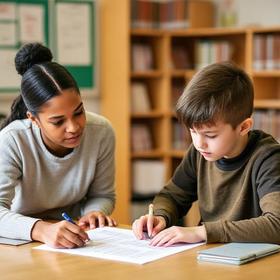
  • Peer tutoring
  • Club meetings
  • Brainstorming sessions
  • Student presentations
  • Informal discussions

These spaces help students develop communication, teamwork, and leadership skills while making libraries feel more welcoming and accessible.

Technology Access and Digital Learning

School libraries also play a major role in providing students with access to technology. For many students, libraries offer

. . .read more

Recent Articles

AI Report Cards: Should Schools Evaluate AI Use?
Explore whether schools should assess student AI use, the benefits, risks, and what responsible AI report cards could look like in 2026.
The Parent’s Guide to School Cell Phone Bans in 2026
Learn how school cell phone bans work in 2026, why districts are adopting them, and what parents should expect.
Parental Involvement in Public Schools: 2026 Update
Explore the latest 2026 trends, research, and strategies shaping parental involvement in public schools and student success.

About Public Schools

OVERVIEW OF PUBLIC SCHOOLS
A comprehensive look at the U.S. public school system, including history, governing bodies, funding, and services. Compare private, public and charter schools. Learn more about Magnet school programs and get tips on choosing the right school for your child.
TYPES OF PUBLIC SCHOOLS
Explore the different types of public schools, from charter to language immersion, and learn about the unique pros and cons of each type. Is a co-ed or single sex classroom best for your child? Charter school or magnet? Read expert advice and get valuable tips on the various public education programs available and how to choose what works best for your family.
TECHNOLOGY ON CAMPUS
From eBooks to web cams, technology on campus continues to grow. Learn how the latest technology impacts your child’s education. Get tips on the best ways to integrate technology into education and stay abreast of the latest developments and challenges facing schools.
HEALTH AND NUTRITION AT SCHOOL
From vending machines to Jamie Oliver, bed bugs to tuberculosis, we provide an in-depth look at health and wellness in public schools. Help your kids stay healthy on campus and learn about current health epidemics, vaccination requirements, physical fitness programs and the latest food initiatives.
BACK TO SCHOOL
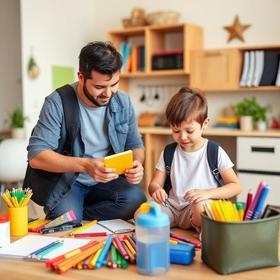
Learn more about preparing your child and wallet for a new school year. Inside you’ll find valuable advice to help your family prepare for the transition from swimsuits to school. While there is no tuition, public school education does not come without costs. Learn more about budgeting for a new school year and get great money saving tips.
STUDENT POPULATIONS
The latest trends, laws and resources for a variety of student populations. Every child has different needs, and this section offers helpful information for LGBT, special education, gifted, low-income, and minority students.

Notice: Javascript file does not exist: /home/devsarath/workspace/psr/public_html/javascript/components/popper.min.js in /home/devsarath/workspace/shared/misc/JSCompiler.inc.php on line 242

Notice: Javascript file does not exist: /home/devsarath/workspace/psr/public_html/javascript/components/tippy.min.js in /home/devsarath/workspace/shared/misc/JSCompiler.inc.php on line 242

Notice: Directory does not exist in /home/devsarath/workspace/shared/misc/JSCompiler.inc.php on line 242

Notice: Unable to save compiled js file in /home/devsarath/workspace/shared/misc/JSCompiler.inc.php on line 242