School libraries have evolved far beyond quiet rooms filled with books. In 2026, public school libraries serve as collaborative learning spaces, technology hubs, creative centers, and community gathering places that support students in ways that extend well beyond academics.
While studying and research remain important functions, today’s school libraries often provide students with opportunities to connect socially, explore personal interests, access mental health resources, develop technology skills, and participate in extracurricular activities.
According to the American Library Association, modern school libraries increasingly focus on student engagement, digital literacy, collaboration, and inclusive learning environments. As public schools continue adapting to changing student needs, libraries remain central to creating supportive and connected school communities.
Libraries as Social and Collaborative Spaces
Traditional school libraries were often associated with silent individual study. Today, many public school libraries intentionally include collaborative spaces where students can work together comfortably.
Flexible seating, group tables, collaborative technology stations, and presentation areas allow students to interact more naturally throughout the school day.
How Extracurricular Activities Improve Academic Performance explains how collaborative learning and student involvement contribute to stronger engagement and academic motivation.
Many schools now design library environments with areas specifically intended for:
- Group projects
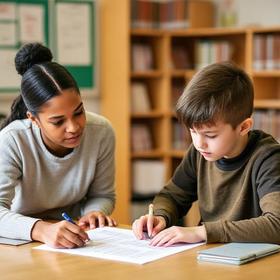
- Peer tutoring
- Club meetings
- Brainstorming sessions
- Student presentations
- Informal discussions
These spaces help students develop communication, teamwork, and leadership skills while making libraries feel more welcoming and accessible.
Technology Access and Digital Learning
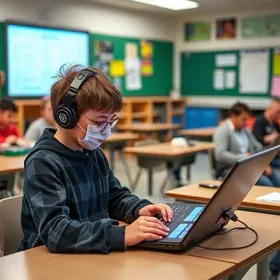
School libraries also play a major role in providing students with access to technology. For many students, libraries offer resources that may not be readily available at home.
Modern public school libraries frequently provide:
- Laptops and tablets
- High-speed internet access
- Printing services
- Multimedia production tools
- Coding resources
- Digital research databases
According to the National Center for Education Statistics, access to digital learning tools continues to be an important factor in supporting educational equity across public schools.
In addition to providing technology, librarians often help students build critical digital skills such as:
- Evaluating online information
- Conducting research
- Using educational software
- Creating multimedia presentations
- Practicing online safety
These skills are increasingly important as schools integrate more digital learning into classrooms.
Creative and Makerspace Activities
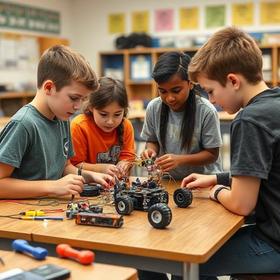
Many public school libraries now include makerspaces and creative learning areas that encourage hands-on exploration.
Depending on school funding and available space, students may use libraries for:
- Robotics projects
- 3D printing
- Podcast recording
- Video editing
- Arts and crafts
- STEM activities
These creative opportunities allow students to experiment, collaborate, and learn outside traditional classroom structures.
Hands-on activities can help students who may not always connect through conventional academic instruction. Libraries often provide low-pressure environments where students feel more comfortable exploring new interests and developing confidence.
Schools increasingly recognize that creativity and problem-solving are important components of student development alongside academic achievement.
Libraries as Safe and Welcoming Spaces
For many students, the school library provides a sense of comfort and stability during the school day. Libraries often serve as calm environments where students can decompress, read independently, or spend time between classes.
How Students Build Community in Large Schools highlights how supportive school environments contribute to stronger student engagement and a greater sense of belonging.
Students may use school libraries as spaces to:
- Take breaks from crowded environments
- Reduce stress during the school day
- Meet with counselors or mentors
- Read for enjoyment
- Spend time in quieter settings
Many librarians also become trusted adults who provide encouragement, guidance, and support for students navigating academic and personal challenges.
Clubs, Events, and Student Activities
School libraries frequently host extracurricular activities and student-led events that strengthen school culture and community engagement.
Common library-based activities include:
- Book clubs
- Chess clubs
- Writing workshops
- Cultural events
- STEM competitions
- Peer tutoring programs
These programs help students connect with peers who share similar interests while encouraging broader participation in school life.
Unlike some extracurricular spaces that may feel competitive or selective, libraries often provide open-access opportunities for students with diverse interests and backgrounds.
This inclusivity can help students feel more connected to their school communities.
Supporting Independent Reading and Exploration
Although libraries now support many modern functions, reading remains a core part of their purpose. Public school libraries encourage students to explore books beyond classroom assignments and standardized reading requirements.
Students often use libraries to discover:
- Fiction and nonfiction books
- Graphic novels
- Career exploration materials
- College preparation resources
- Audiobooks and digital content
Independent reading helps students build vocabulary, critical thinking skills, empathy, and long-term academic confidence.
According to the U.S. Department of Education, regular reading engagement continues to support literacy development and educational growth across grade levels.
Libraries that offer diverse reading materials and flexible reading opportunities often encourage stronger student participation. Students are more likely to develop positive reading habits when they can select topics and formats that genuinely interest them.
Libraries and Academic Support
Beyond independent study, many students use libraries for structured academic support throughout the school day.
Libraries may provide:
- Homework assistance
- Research guidance
- Tutoring programs
- Test preparation support
- Study groups
Consistent School Attendance and Academic Success explains how school engagement and supportive learning environments can positively influence student achievement and attendance patterns.
School librarians frequently collaborate with teachers to support classroom instruction, research projects, and literacy initiatives. Their role has expanded significantly as information literacy becomes increasingly important in modern education.
Challenges Public School Libraries Face
Despite their growing importance, many school libraries continue facing challenges such as:
- Budget limitations
- Staffing shortages
- Outdated technology
- Reduced library hours
- Limited physical space
Some districts have also faced difficulties balancing traditional library functions with evolving student needs and technology demands.
Even so, many schools continue investing in libraries because they recognize the important role these spaces play in supporting student wellbeing, engagement, and academic growth.
Conclusion
Public school libraries today serve far more purposes than simply providing quiet places to study. In 2026, libraries function as collaborative learning environments, creative spaces, technology centers, social hubs, and supportive spaces where students can connect, explore, and grow.
Whether students are working on group projects, participating in clubs, using digital tools, reading independently, or simply finding a calm place during the school day, school libraries remain essential parts of strong public school communities. By continuing to evolve alongside student needs, public school libraries help create more inclusive, engaging, and supportive educational environments for all learners.