Winter break offers students a welcome pause from the daily demands of school, but it can also become a valuable opportunity for academic growth, skill development, and family engagement. While rest and recreation are essential, a thoughtfully planned break can help students maintain learning momentum, reduce academic regression, and return to school feeling confident and prepared.
As schools continue to emphasize personalized learning and student well-being in 2026, many educators encourage families to view winter break not as an extension of the classroom, but as a chance to explore learning in different and often more meaningful ways. The key is finding a balance between relaxation and enrichment.
Why Winter Break Matters Academically
Research has long highlighted the effects of extended school interruptions on student achievement. While the "summer slide" receives significant attention, shorter breaks can also affect learning retention, particularly in reading and mathematics.
Winter break presents an opportunity to reinforce classroom concepts without creating unnecessary pressure. Students who engage in regular reading, creative projects, and real-world learning experiences often return to school with stronger confidence and fewer adjustment challenges.
The goal is not to replicate a full school schedule at home. Instead, families can create experiences that keep students intellectually engaged while preserving the restorative benefits of vacation time.
Benefits of Learning During Winter Break
Students who participate in structured enrichment activities during breaks may experience several advantages:
- Improved reading fluency and comprehension
- Better retention of math skills
- Increased curiosity and motivation
- Stronger time-management habits
- Reduced stress when returning to school
- Opportunities to explore personal interests
Learning during winter break can also help students develop skills that may not receive as much attention during the regular school year, including creativity, problem-solving, communication, and independent learning.
Creating a Winter Break Learning Plan
One of the most effective strategies for making the most of winter break for learning is to establish a flexible plan before school ends.
Parents and students can work together to identify goals for the break. These goals should be realistic, age-appropriate, and aligned with individual interests.
Sample Winter Break Planning Framework
|
Area |
Goal Example |
Time Commitment |
|
Reading |
Finish two novels |
20-30 minutes daily |
|
Math |
Complete review activities |
15-20 minutes daily |
|
Creativity |
Learn digital design skills |
Twice weekly |
|
Physical Activity |
Daily movement or sports |
30 minutes daily |
|
Family Learning |
Visit local museums or exhibits |
One outing |
|
Personal Growth |
Journal or reflect on goals |
Weekly |
A simple plan helps students stay engaged without feeling overwhelmed.
Prioritize Reading Every Day
Among all winter break learning activities, reading remains one of the most effective.
The National Center for Education Statistics continues to emphasize the importance of regular reading habits for academic achievement. Families can explore reading resources and literacy data through the National Center for Education Statistics.
Students should be encouraged to choose books that genuinely interest them. Fiction, nonfiction, biographies, graphic novels, and magazines can all contribute to literacy development.
Reading Ideas by Grade Level
Elementary School
- Holiday-themed chapter books
- Animal and science books
- Read-aloud sessions with family members
Middle School
- Historical fiction
- STEM-focused nonfiction
- Mystery and adventure novels
High School
- College and career exploration books
- Current events publications
- Classic literature paired with modern interpretations
When students enjoy what they read, they are more likely to maintain the habit throughout the year.
Use Technology Purposefully
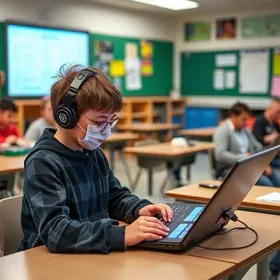
Digital learning tools have expanded significantly in recent years. Many schools now provide access to online platforms that students can continue using during breaks.
The challenge for families is distinguishing between passive screen time and active learning.
Consider activities such as:
- Coding tutorials
- Language-learning apps
- Educational videos
- Virtual museum tours
- Interactive science simulations
The Smithsonian Learning Lab offers thousands of free educational resources that can support inquiry-based learning across grade levels.
Parents may want to establish clear expectations regarding educational technology use, ensuring that learning activities complement rather than replace offline experiences.
Turn Everyday Activities Into Learning Opportunities
One of the best aspects of making the most of winter break for learning is that meaningful educational experiences do not always require worksheets or formal lessons.
Many everyday activities naturally reinforce academic skills.
Cooking and Baking
Students can practice:
- Measurement and fractions
- Reading comprehension
- Following multi-step instructions
- Scientific observation
Travel and Family Visits
Students can explore:
- Geography
- History
- Cultural traditions
- Communication skills
Shopping and Budgeting
Students can learn:
- Financial literacy
- Percentage calculations
- Comparison shopping
- Decision-making
These real-world applications help students understand how classroom learning connects to everyday life.
Encourage Passion Projects
Winter break can be an ideal time for students to pursue interests that may not fit into the regular school schedule.
Passion projects encourage independent thinking and sustained engagement.
Examples include:
- Creating a podcast
- Building a website
- Writing a short story
- Producing a video documentary
- Learning photography
- Designing a science experiment
- Developing a small business idea
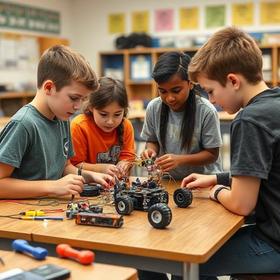
Many educators in 2026 are increasingly emphasizing project-based learning because it promotes critical thinking, collaboration, and creativity.
Students often gain confidence when they have ownership over what they learn.
Support Social and Emotional Growth
Academic development is only one component of a successful winter break.
Students also benefit from opportunities to strengthen social and emotional skills.
Families can encourage:
- Gratitude journaling
- Goal-setting conversations
- Volunteer activities
- Community service projects
- Reflection on personal achievements
The Collaborative for Academic, Social, and Emotional Learning (CASEL) provides research-based information about social and emotional learning and its impact on student success.
Helping students reflect on their strengths and challenges can improve resilience and self-awareness when they return to school.
Preparing for the Spring Semester
The final days of winter break provide an excellent opportunity to ease back into school routines.
Rather than waiting until the night before classes resume, families can gradually reintroduce structure.
One Week Before School Returns
- Adjust sleep schedules
- Review upcoming assignments
- Organize school materials
- Reestablish morning routines
A Few Days Before School Returns
- Set academic goals for the new semester
- Complete unfinished work
- Discuss upcoming challenges and opportunities
- Create a positive mindset for returning
According to guidance from the American Academy of Pediatrics, consistent sleep schedules remain one of the most important factors supporting student health, attention, and academic performance.
A smoother transition often leads to a more successful start to the semester.
Common Winter Break Mistakes to Avoid
Even well-intentioned families can unintentionally create challenges during break periods.
Overscheduling
Too many activities can leave students feeling exhausted rather than refreshed.
Ignoring Downtime
Students need opportunities to relax, recharge, and spend unstructured time with family and friends.
Making Learning Feel Like Punishment
Academic activities should be engaging and purposeful, not simply additional homework.
Neglecting Physical Activity
Movement supports both physical health and cognitive functioning.
Waiting Until January to Prepare
A gradual transition back to school is generally more effective than a last-minute adjustment.
Winter Break Learning Checklist
Parents can use this simple checklist when planning ahead:
- Create realistic learning goals
- Encourage daily reading
- Incorporate educational technology thoughtfully
- Support passion projects
- Build social and emotional skills
- Include physical activity
- Maintain healthy sleep habits
- Plan family learning experiences
- Prepare early for the return to school
Even small, consistent efforts can make a meaningful difference.
Frequently Asked Questions
How much learning should students do during winter break?
Most educators recommend short, consistent learning sessions rather than lengthy academic schedules. Reading daily and engaging in a few enrichment activities each week is often sufficient.
Should students complete schoolwork over winter break?
If assignments are provided, students should plan time to complete them. However, breaks should also include opportunities for rest and personal interests.
What is the best winter break activity for academic growth?
Reading remains one of the most effective and accessible activities for maintaining academic skills across all grade levels.
Can educational screen time be beneficial?
Yes. Interactive and purposeful educational technology can support learning when balanced with offline activities and physical movement.
Conclusion
Planning ahead and making the most of winter break for learning does not require a rigid academic schedule. Instead, it involves creating opportunities for students to stay curious, practice essential skills, and explore personal interests while enjoying a well-deserved break.
Whether through reading, passion projects, family activities, or goal-setting, winter break can become a powerful period of growth. By balancing enrichment with relaxation, families can help students return to school energized, confident, and ready for success in the months ahead.