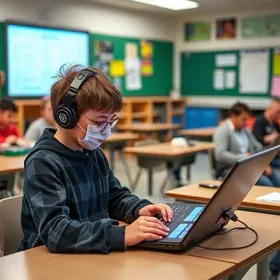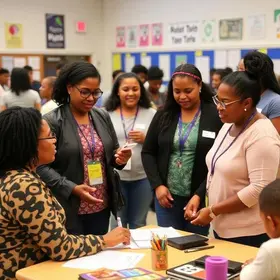
Changing schools can be one of the most significant transitions a student experiences during childhood or adolescence. Whether prompted by a family move, academic concerns, school zoning changes, or the search for specialized programs, transferring between public schools involves more than simply updating paperwork. It often affects academics, friendships, routines, extracurricular involvement, and emotional well-being.
In recent years, student mobility between public schools has increased as districts expand school choice programs, open enrollment policies, magnet pathways, and transfer options. According to the National Center for Education Statistics, millions of students change schools each year due to relocation, district policies, or family preference.
For parents, understanding the full experience of transferring between public schools can make the process smoother and less stressful for everyone involved.
Why Families Transfer Between Public Schools
Families transfer students between public schools for many reasons. Some transfers are voluntary, while others are unavoidable.
Common reasons include:
- Relocation to a new neighborhood or state
- Access to stronger academic programs
- Enrollment in magnet or STEM schools
- Safety or bullying concerns
- Special education or support service needs
- Changes in family circumstances
- School zoning adjustments
- Desire for smaller learning environments
The growth of school choice initiatives has also made transfers more common. As explained in School Choice in 2026: What Parents Must Know, many states now offer expanded interdistrict and intradistrict transfer opportunities.
The Administrative Side of Transferring
One of the first challenges families encounter is navigating the administrative process. While transferring between public schools is generally easier than transferring between private institutions, districts still require extensive documentation and deadlines.
Most schools request:
- Proof of residency
- Immunization records
- Birth certificates
- Previous report cards or transcripts
- Withdrawal paperwork
- Emergency contact information
- Special education documentation if applicable
Families moving between districts may also need approval from both the sending and receiving districts, depending on state laws and enrollment policies.
The process has become more digital in 2026, with many districts now using centralized online enrollment systems. According to Guide for New Movers: Enrolling in a New School District 2026, districts increasingly rely on online portals for residency verification, document uploads, and enrollment tracking.
Parents should begin the process early whenever possible because transfer windows can close months before the new semester begins.
Academic Adjustments After a Transfer
Academic transitions are often more complicated than families initially expect. Even neighboring districts may teach subjects in different sequences or use entirely different curriculum standards.
Students transferring midyear may encounter:
- Different grading systems
- Varying graduation requirements
- New class schedules
- Advanced or remedial placement differences
- Curriculum gaps
- Different testing expectations
High school students often face the greatest challenges because credits may not transfer perfectly between districts or states. Counselors typically review transcripts carefully to ensure graduation pathways remain intact.
Students transferring into specialized programs such as International Baccalaureate, STEM academies, or career pathways may need additional placement assessments or prerequisite coursework.
The U.S. Department of Education provides guidance for families navigating enrollment rights and student transfers through its official resources. The Education Commission of the States also outlines how open enrollment and interdistrict transfer policies differ across the country.
The Emotional Experience of Changing Schools
Academic concerns are only one part of the transition. The emotional impact of transferring between public schools can be substantial, particularly for middle and high school students.
Students often experience:
- Anxiety about fitting in
- Sadness over leaving friends
- Fear of unfamiliar routines
- Social uncertainty
- Pressure to adapt quickly
Midyear transfers can feel especially disruptive because existing social groups are already established.
Younger students may adjust more quickly, but they still benefit from structure and reassurance. Teenagers, meanwhile, often worry about social identity, extracurricular placement, and peer acceptance.
Parents can support emotional adjustment by:
- Maintaining open communication
- Encouraging involvement in activities
- Visiting the new school before classes begin
- Helping students stay connected with old friends
- Establishing routines quickly
According to Changing Schools And Moving To A New Area, early preparation and proactive communication significantly reduce student stress during school transitions. The American Psychological Association also notes that school transitions can significantly affect student stress levels, social adjustment, and academic confidence, particularly during adolescence.
Social Challenges and Opportunities
While changing schools can feel intimidating, transfers also create opportunities for growth.
Students often gain:
- Greater adaptability
- Improved social confidence
- Exposure to diverse peer groups
- Access to new extracurricular activities
- Fresh academic motivation
Many students eventually view transfers positively, especially if the new environment better aligns with their needs or interests.
Extracurricular participation can help accelerate social adjustment. Joining clubs, sports teams, performing arts programs, or student organizations gives students natural opportunities to build friendships quickly.
Parents should encourage participation early, even if students initially hesitate.
School Culture Differences Matter
Not all public schools feel the same. Even schools within the same district can differ significantly in culture, expectations, and atmosphere.
Students may notice differences in:
- Discipline policies
- Teacher communication styles
- Homework expectations
- Technology use
- School safety procedures
- Diversity and inclusion practices
- Extracurricular availability
Some schools emphasize college preparation and advanced coursework, while others focus heavily on career readiness, arts integration, or project-based learning.
Families exploring transfer options should research school climate carefully, not just academic rankings.
Resources such as Public School Review allow parents to compare schools by enrollment, demographics, test scores, student-teacher ratios, and program offerings.
Open Enrollment and School Choice in 2026
Transfers between public schools have become increasingly common because many states now support open enrollment systems.
Open enrollment policies allow students to attend schools outside their assigned attendance zones, often based on available capacity.
Some districts also offer:
- Magnet schools
- Dual-language immersion programs
- STEM academies
- Fine arts schools
- Career and technical education pathways
As outlined in Understanding Public School Lotteries, Magnet Programs & Dual-Language Schools, these specialized programs often require applications, lotteries, or separate admissions criteria.
Families considering transfers should carefully review transportation policies because districts do not always provide buses for out-of-zone students.
Common Challenges Families Face
Despite growing flexibility, transferring between public schools can still involve obstacles.
Capacity Limitations
Popular schools may have long waitlists or limited transfer openings.
Residency Verification
Districts strictly enforce residency rules, particularly in high-performing districts.
Transportation Problems
Longer commutes can create scheduling difficulties for working parents.
Athletic Eligibility Rules
High school athletes may face waiting periods depending on state athletic association regulations.
Timing Issues
Midyear transfers can interrupt coursework and testing schedules.
Families should communicate regularly with counselors and administrators to minimize surprises.
Tips for a Smoother Transfer Experience
Parents can help create a more successful transition by taking several proactive steps.
Research Thoroughly
Review academic offerings, extracurricular programs, transportation logistics, and school climate before making a decision.
Request Records Early
Delays in transcript or records transfers can slow enrollment and class placement.
Visit the School
Tours and orientation meetings help students feel more comfortable before the first day.
Meet With Counselors
Counselors can explain graduation requirements, placement options, and support services.
Encourage Patience
Adjustment takes time. Students may need several weeks or months to feel fully comfortable.
The Long-Term Impact of School Transfers
Research on student mobility shows mixed outcomes. Frequent school changes can disrupt learning and social development, particularly when transfers are unplanned or caused by instability.
However, strategic transfers to better academic or social environments often produce positive results.
Students may benefit from:
- Improved academic engagement
- Better access to specialized programs
- Enhanced safety and support
- Greater extracurricular participation
- Increased confidence
The key factor is whether the transfer improves the overall fit between the student and the school environment.
Final Thoughts
The experience of transferring between public schools involves far more than changing buildings. Students must adapt academically, socially, and emotionally while families navigate enrollment policies, deadlines, and district procedures.
Fortunately, growing school choice options and digital enrollment systems have made transfers more accessible in 2026. With careful planning, open communication, and realistic expectations, families can turn a potentially stressful transition into an opportunity for growth and improved educational fit.
For many students, transferring between public schools ultimately becomes a valuable life experience that builds resilience, adaptability, and confidence for future transitions.