Starting at a new public school is challenging under any circumstances, but arriving in the middle of the academic year can feel especially overwhelming. While other students already understand routines, friendships, teacher expectations, and campus culture, mid-year transfer students must adjust quickly to unfamiliar surroundings.
Whether the move is caused by family relocation, housing changes, military transitions, academic needs, or personal circumstances, entering a new school mid-year often affects both academic performance and emotional well-being. Public schools across the country increasingly recognize these challenges and are expanding transition support systems to help new students feel welcomed and connected.
For families, understanding the experience of being a new student mid-year can make the adjustment process smoother and less stressful.
Why Students Transfer Mid-Year
Students transfer schools during the school year for many reasons. Some moves are planned, while others happen unexpectedly.
Common reasons include:
- Family relocation
- Changes in housing or custody arrangements
- Military family reassignment
- Academic concerns
- Bullying or social issues
- School safety concerns
- Specialized program opportunities
- Financial or transportation changes
The National Center for Education Statistics tracks student mobility trends and continues to report that millions of students change schools each year. Mid-year transitions are particularly common in larger districts and among highly mobile populations.
While some students adapt quickly, others may struggle academically, socially, or emotionally during the adjustment period.
The First Day Challenges
For many students, the first day at a new school mid-year is the hardest part of the transition.
Unlike the beginning of the school year, there is no large group of students simultaneously learning schedules, meeting teachers, or adjusting to routines. Mid-year transfer students often feel like everyone else already knows where to go and how things work.
New students commonly worry about:
- Finding classrooms
- Navigating lunch periods
- Meeting teachers
- Making friends
- Understanding class expectations
- Catching up academically
- Adjusting to different rules or technology systems
Large campuses can make the experience even more intimidating. Families concerned about campus navigation may also find helpful guidance in How Students Navigate Large Public School Campuses.
Even simple tasks, such as understanding locker procedures, transportation routines, or digital learning platforms, can create stress during the first few weeks.
Academic Adjustments for Mid-Year Transfers
Academic adjustment is one of the biggest challenges for transfer students. Different districts and schools often use different pacing guides, textbooks, grading systems, and curriculum standards.
A student who was ahead in one school may suddenly feel behind in another. In some cases, students may enter classes that already completed major projects, units, or assessments earlier in the semester.
Schools increasingly use orientation meetings, counselor support, and teacher check-ins to ease this transition. Some districts also provide temporary academic flexibility during the first grading period after enrollment.
Families can better understand school expectations by reviewing A Typical Day in Public School: 2025 Guide.
Students entering advanced courses, honors tracks, or specialized programs may require additional support while adjusting to new academic expectations.
Social Challenges and Friendship Building
Social adjustment can be just as difficult as academic adjustment.
By the middle of the school year, friend groups and routines are often already established. New students may feel isolated during lunch, group projects, extracurricular activities, or unstructured time between classes.
Middle school students, in particular, may struggle socially because peer dynamics tend to shift rapidly during adolescence. High school students may feel pressure to fit into established social groups while simultaneously managing academic responsibilities.
Many schools now recognize the importance of intentional social integration. Some campuses pair transfer students with peer mentors or student ambassadors who help them navigate the school environment during the first few weeks.
Programs focused on school connectedness have become increasingly important. The Centers for Disease Control and Prevention explains that students who feel connected to school are more likely to experience positive academic and emotional outcomes.
Extracurricular activities can also help new students build relationships more quickly. Families interested in the role of school activities may find useful information in How Students Build Community in Large Schools.
How Schools Support New Students
Public schools increasingly understand that transition support affects student success. Many districts have introduced systems specifically designed to help new students feel welcomed and informed.
Common support strategies include:
- Student orientation programs
- Peer mentoring systems
- Counselor check-ins
- Teacher communication plans
- Campus tours
- Academic intervention support
- New student lunch groups
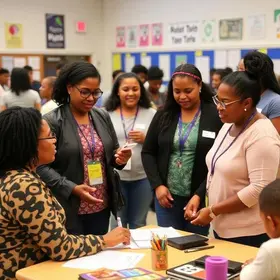
- Parent information sessions
Some schools also assign advisory teachers who regularly monitor a student’s adjustment during the first semester after transfer.
Schools focused on student well-being often integrate transition support into broader mental health initiatives.
The Role of Teachers and Counselors
Teachers and counselors play a major role in helping new students adjust.
A welcoming teacher can make a significant difference during the first few weeks. Small actions, such as explaining classroom routines, checking in privately, or pairing students thoughtfully during group work, often help new students feel more comfortable.
School counselors may assist with:
- Schedule adjustments
- Graduation requirements
- Academic placement
- Mental health support
- Peer conflict concerns
- Course credit evaluation
Counselors also help families understand school policies, extracurricular options, and graduation pathways.
In larger schools, transfer students sometimes feel invisible during the adjustment period. Consistent communication between families, counselors, and teachers can help prevent students from falling behind academically or emotionally.
Technology and Mid-Year Transitions
Technology can both help and complicate the transition process.
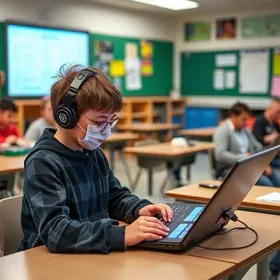
Most public schools now rely heavily on digital learning systems for assignments, grading, communication, and classroom instruction. Mid-year transfer students often need time to learn new platforms, login systems, and software expectations.
Common systems may include:
- Learning management platforms
- Student grade portals
- Digital textbooks
- Classroom messaging apps
- Assignment submission systems
Families should ask schools how technology orientation is handled for transfer students. Schools with strong onboarding systems usually provide login assistance, tutorials, and technology support early in the enrollment process.
The U.S. Department of Education continues to emphasize digital access and educational technology as important parts of equitable learning environments.
Emotional Impact on Students
Even when students appear to adjust outwardly, changing schools mid-year can carry a significant emotional impact.
Students may experience:
- Anxiety
- Loneliness
- Embarrassment
- Frustration
- Homesickness
- Loss of confidence
Younger students may struggle with separation from previous friends and routines. Older students may worry about social acceptance, academic standing, or extracurricular eligibility.
Parents should watch for signs that adjustment difficulties are becoming more serious, including declining grades, withdrawal from activities, changes in mood, or reluctance to attend school.
Open communication is especially important during the first several months after a transfer.
What Parents Can Do to Help
Parents play an important role in helping students transition successfully.
Helpful strategies include:
- Visiting the school before the first day
- Reviewing schedules together
- Encouraging extracurricular involvement
- Maintaining open communication
- Helping students organize assignments
- Contacting counselors proactively
- Setting realistic adjustment expectations
Parents should also remember that adjustment takes time. Some students settle in within a few weeks, while others may need an entire semester to feel fully comfortable.
Families comparing schools during a relocation or transition may also benefit from Class Size in Public Schools: Impact on Learning.
Building Confidence Over Time
Although the transition can initially feel uncomfortable, many students eventually grow significantly from the experience of changing schools mid-year.
Students often develop:
- Greater adaptability
- Stronger communication skills
- Increased independence
- Social resilience
- Problem-solving abilities
Successfully navigating a school transition can help students build confidence that extends beyond academics.
Many former transfer students later describe the experience as difficult but valuable because it taught them how to adapt to unfamiliar situations and connect with new people.
Conclusion: Mid-Year Transitions Require Patience and Support
The experience of being a new student mid-year can be emotionally and academically demanding, but strong support systems make a meaningful difference. Schools that prioritize orientation, counseling, peer support, and communication often help transfer students adjust more successfully.
For families, patience and consistent encouragement are key. Most students need time to understand routines, form friendships, and rebuild confidence after a school change.
In 2026, public schools increasingly recognize that helping new students feel connected is not simply a social concern. It is an important part of supporting academic success, emotional well-being, and long-term student engagement.