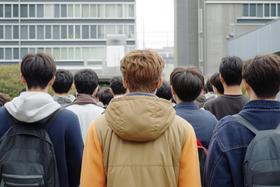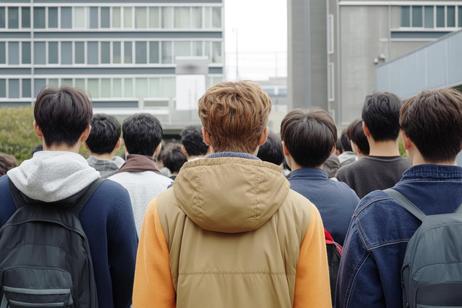
For many students, transitioning to a large public school campus can feel overwhelming at first. Some high schools enroll more than 3,000 students, span multiple buildings, and operate on tightly scheduled class rotations. Hallways can resemble busy transit hubs, lunch periods may involve hundreds of students at once, and navigating from one end of campus to another becomes part of the daily routine.
Yet despite these challenges, students often adapt remarkably well. Large public schools can offer broader academic programs, more extracurricular activities, expanded athletics, and greater social diversity than smaller schools. Success in these environments depends largely on how students learn to manage time, build routines, and develop support systems.
As public schools continue growing in enrollment across many districts, families increasingly want to understand how students adjust to these larger educational settings. According to data compiled by Public School Review, some districts now average well over 2,000 students per campus. These environments require students to develop organizational and social skills that often mirror those needed later in college and the workforce.
Why Large Public School Campuses Continue to Grow
Several factors contribute to the expansion of large public school campuses in 2026:
- Population growth in suburban areas
- District consolidation efforts
- Expanded magnet and specialty programs
- Increased demand for Advanced Placement and career pathways
- Budget efficiencies tied to larger campuses
Many districts believe larger schools allow them to centralize resources and provide more opportunities under one roof. Students may gain access to:
- Advanced STEM labs
- Performing arts centers
- Career and technical education programs
- Dual enrollment partnerships
- Expanded athletic facilities
- Specialized counseling services
Families comparing school environments often review factors such as class size, campus organization, and student support systems. Class size in public schools explains how larger schools balance enrollment with instructional quality.
Learning the Physical Layout
One of the first challenges students face is simply learning how to move efficiently across campus.
Large public schools frequently include:
- Multiple academic wings
- Separate buildings for electives
- Athletic complexes
- Portable classrooms
- Student centers
- Career and technical facilities
Freshmen often spend the first several weeks memorizing routes and identifying shortcuts between classes. Many schools now provide:
- Digital campus maps
- Orientation programs
- Student ambassadors
- Mobile scheduling apps
- Color-coded hallways or building systems
Some districts have also integrated GPS-style navigation into student apps to help newcomers locate classrooms quickly.
In schools with sprawling campuses, passing periods become especially important. Students learn to:
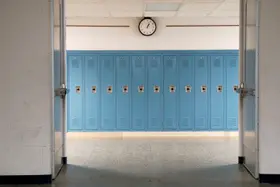
- Prioritize locker stops
- Plan efficient walking routes
- Avoid congestion points
- Arrive early to distant classes
These daily navigation habits gradually become second nature.
Building Organizational Skills
Large campuses demand stronger organizational habits than many middle schools or smaller elementary environments.
Students often juggle:
- Seven or eight class periods
- Multiple teachers
- Varied assignment platforms
- Club meetings
- Athletic practices
- Transportation schedules
Without strong organization, students can quickly fall behind.
Many successful students rely on:
| Organizational Tool | Purpose |
|---|---|
| Digital calendars | Track assignments and deadlines |
| Color-coded folders | Separate subjects efficiently |
| Mobile reminder apps | Manage extracurricular schedules |
| Daily planners | Prioritize academic tasks |
| Cloud storage systems | Keep assignments accessible |
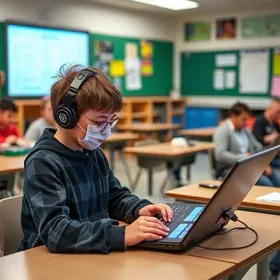
These skills are increasingly important as schools expand digital learning systems and blended instruction models.
According to the National Center for Education Statistics, high school students today engage with more digital learning platforms than at any previous point in K-12 education, increasing the need for independent time management.
Finding Social Connections in a Large Environment
A common concern among parents is whether students feel lost socially in a large school setting.
While large campuses may initially appear impersonal, students often build strong communities through smaller groups within the school. These communities may form around:
- Sports teams
- Music and arts programs
- Academic clubs
- Student government
- Career academies
- Cultural organizations
- Volunteer groups
Participation in extracurricular activities is often one of the fastest ways students establish friendships and develop a sense of belonging.
Large schools can actually increase opportunities for students to find peers with shared interests. A smaller school may offer limited clubs or electives, while a larger campus can support dozens of specialized activities.
Schools increasingly recognize the importance of social integration and student wellness. Many districts now employ:
- Freshman transition counselors
- Peer mentorship programs
- Advisory periods
- Social-emotional learning initiatives
These efforts align with broader conversations about equity and access in public schools, particularly as districts work to ensure all students feel supported regardless of background or academic pathway.
Managing Crowds and Busy Schedules
Crowded hallways, large cafeterias, and busy parking lots are common features of major public school campuses.
Students gradually learn strategies to reduce stress during peak traffic periods:
- Leaving class promptly
- Choosing alternate stairwells
- Arriving early to lunch
- Using quieter study spaces
- Coordinating transportation plans carefully
Some schools stagger lunch periods or class release times to improve traffic flow.
Campus logistics have become increasingly sophisticated in recent years. How public schools coordinate transportation systems highlights how districts now use advanced scheduling and routing systems to improve student movement and safety.
Technology also plays a growing role in campus management. Schools increasingly utilize:
- Digital hall passes
- Security monitoring systems
- Real-time transportation updates
- Attendance tracking apps
These systems help large campuses operate more efficiently while maintaining student safety.
Academic Advantages of Large Public Schools
Although large campuses can feel intimidating initially, they often provide substantial academic advantages.
Larger schools frequently offer:
- More AP and honors courses
- International Baccalaureate programs
- Specialized career pathways
- Dual enrollment options
- Expanded language offerings
- Greater elective diversity
Students interested in engineering, healthcare, business, media production, or computer science may find more robust programs at larger campuses.
Some schools also partner directly with local colleges and employers to provide internships and workforce training opportunities.
Families researching school quality often examine how campuses support both high-achieving students and those needing additional academic support. Public School Review’s section on evaluating public schools offers broader guidance on assessing school environments beyond test scores alone.
Safety and Student Support on Large Campuses
Safety remains a central concern for families considering large public schools.
Modern campuses increasingly invest in:
- Controlled building access
- School resource officers
- Mental health services
- Crisis response teams
- Visitor management systems
- Anonymous reporting tools
The U.S. Department of Homeland Security provides guidance for emergency preparedness and school safety planning.
Equally important is emotional safety and student well-being.
Large schools often employ expanded counseling staffs that support:
- Academic planning
- Mental health needs
- College counseling
- Career readiness
- Conflict resolution
Many districts now place greater emphasis on creating smaller support structures within large campuses, including advisory groups and grade-level teams.
How Parents Can Help Students Adjust
Parents play a significant role in helping students adapt successfully to large campuses.
Encourage Early Involvement
Students who join activities early often adjust more quickly socially and emotionally.
Practice Campus Navigation
Attending orientation events and walking class schedules before school begins can reduce anxiety.
Support Time Management
Helping students establish routines for homework, sleep, and transportation builds long-term independence.
Maintain Open Communication
Large schools can sometimes make students hesitant to ask for help. Regular conversations about academics, friendships, and stress levels remain important.
Teach Self-Advocacy
Students benefit from learning how to:
- Communicate with teachers
- Seek tutoring support
- Use counseling resources
- Resolve scheduling concerns independently
These skills often become essential preparation for college and adulthood.
Large Campuses Prepare Students for Future Independence
One overlooked advantage of large public schools is the preparation they provide for future environments.
Navigating a complex campus helps students develop:
- Personal responsibility
- Time management
- Social adaptability
- Independence
- Problem-solving skills
These experiences often mirror the realities of college campuses and modern workplaces.
As schools continue evolving to serve growing populations, districts are placing greater emphasis on balancing scale with student support. Major challenges facing public schools in 2026 highlights how enrollment growth, staffing, and student well-being remain interconnected priorities.
Conclusion
Learning how students navigate large public school campuses involves far more than finding classrooms or managing crowded hallways. Students gradually develop independence, organizational skills, social confidence, and academic resilience as they adapt to larger educational environments.
While the transition can initially feel intimidating, large campuses often provide extensive academic opportunities, broader extracurricular options, and valuable preparation for life beyond high school. With proper support from schools and families, students can thrive in these dynamic environments and gain skills that extend well beyond graduation.