Health and Nutrition at School

From vending machines to Jamie Oliver, bed bugs to tuberculosis, we provide an in-depth look at health and wellness in public schools. Help your kids stay healthy on campus and learn about current health epidemics, vaccination requirements, physical fitness programs and the latest food initiatives.

View the most popular articles in Health and Nutrition at School:

Straight from School Gardens to Lunchrooms: Delicious or Dangerous?

Updated
|
Straight from School Gardens to Lunchrooms: Delicious or Dangerous?
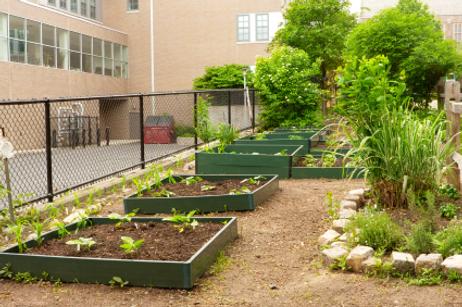
School gardens have grown wildly in popularity, but should the harvest from these gardens be used in school cafeterias? Take a bite of the debate and learn about what the opponents and proponents say.

The CDC estimates that the incidence of childhood obesity has tripled in the last three decades, which makes weight one of the primary factors in children's health today. While school lunches may not be a primary culprit in the rise in obesity numbers, few parents and educators would argue that this daily fare could stand to be improved. One solution has been to add more fresh produce to the school lunch counter – some of which is coming from gardens grown right on school grounds. However, this approach to healthier eating is not without its share of opponents.

The Prevalence of School Gardens

According to a recent report on Mother Earth News, schools around the world are tuning into the many healthy advantages of growing their own fresh produce. Students are assisting with the planting, cultivating and harvesting of crops that they eat right in their own school lunchrooms. Classrooms take turns weeding, fertilizing and coaxing crops along, until the great harvest comes along and school cafeterias get to work finding delicious, healthy ways to use the fruits, vegetables and herbs the students had been growing.

To help schools along the way, the Green School Initiative, the Healthy Schools Initiative, Farm to School and the Food and Agriculture Organization of the UN offer step-by-step planting guides and information about how to incorporate the growing process into the classroom. The National Sustainable Agriculture Coalition's Guide to Federal Funding for Local and Regional

. . .read more

Asbestos in Public Schools: Is Your Child at Risk?

Updated
|
Asbestos in Public Schools: Is Your Child at Risk?
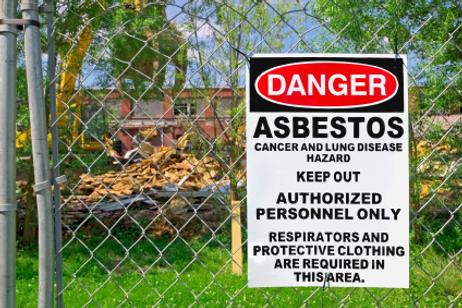
Your child's public school could be the scene of asbestos. Learn about the risk factors and what schools have recently been impacted by the presence of asbestos.

Most parents send their children to school each day under the assumption that the campus is a safe environment for all of their students. If a risk is detected, parents generally believe that school officials will do whatever necessary to eliminate the risk before allowing children to return to the scene.

However, some public schools across the country have found dangers lurking within school walls, but have not quickly or efficiently addressed these toxins. This concern particularly applies to dangers lurking within walls quite literally, as well as floor and ceiling tiles. The danger in question here is asbestos exposure.

In this video, The Mesothelioma Center explains how many of America’s students, teachers and school staff are at danger of asbestos exposure because the deadly carcinogen lurks behind walls, above ceilings and under floors in older schools across the United States.

What is Asbestos?

According to the U.S. Environmental Protection Agency, or EPA, asbestos is a naturally occurring mineral fiber that was once commonly used in the construction of buildings. Asbestos was previously a desirable material because of its ability to insulate buildings efficiently and its relative resistance to fire.

Asbestos was widely used throughout much of the last century until health officials found a link between asbestos and some types of diseases in the 1970s. At that time, much asbestos was removed from buildings, although walls, ceilings, and floors were

. . .read more

Obesity Report Cards: Should Public Schools Issue Fat Grades?

Updated
|
Obesity Report Cards: Should Public Schools Issue Fat Grades?
Math and English grades are commonplace on report cards, but what about “fat” grades? Learn about obesity report cards and why public schools are beginning to measure BMI in all their students.

PE class has always been a cornerstone of a public education. However, some states are taking health concerns a step further by monitoring children's body mass index and reporting findings back to parents for further action.

Is a school weigh-in taking physical fitness too far? There are experts on both sides of the issue generating a compelling debate over "fat grades" in schools today.

The Obesity Problem

Few experts would argue the fact that childhood obesity is a problem of epidemic proportions today. According to the Centers for Disease Control and Prevention, the percentage of youth considered obese tripled between 1980 and 2004. Today, 19% of children between the ages of 6 and 11, as well as 17% of adolescents between the ages of 12 and 19, are classified as obese. That translates to about 25 million children in this country who are at greater risk of what was once considered adult health issues, such as high cholesterol, hypertension and lifestyle-related diabetes.

One way to determine whether an individual is obese is by calculating the body mass index, or BMI. The BMI is the ratio of a person's height to weight, squared, and it usually gives an accurate determination of an individual's body fat.

The CDC recommends that schools conduct BMI surveillance programs, similar to the ones some schools have adopted. However, in the CDC model, results are anonymous and used more to determine trends in specific population sects, rather than assessing an individual

. . .read more

From Taste Tests to Ingredient Lists: America's Top Ranked School Lunch Program

Updated
|
From Taste Tests to Ingredient Lists: America's Top Ranked School Lunch Program
School cafeterias earn their culinary stripes by offering taste tests, full ingredient lists, and even cooking programs for kids. Learn about America's best public school lunch program and see how your school compares.

While most parents are worried about what gets into kids' heads during a typical school day, some are also becoming increasingly concerned about what goes into their stomachs during lunch breaks as well.

Fortunately, national organizations like the School Nutrition Association are researching and providing information on school lunch programs across the country. Each year, the School Nutrition Association chooses one school district as the example for other school lunch programs, both in terms of nutrition and taste. This year, the honor goes to Fairfax County in Virginia, according to a recent report in the Washington Post.

What Does a Healthy School Lunch Look Like?

There are many factors that go into assessing what a healthy school lunch looks like, according to HealthSchoolLunches.org. This organization, founded by the Physicians Committee for Responsible Medicine, has issued a number of recommended changes that they would like to see in school lunch programs, including:

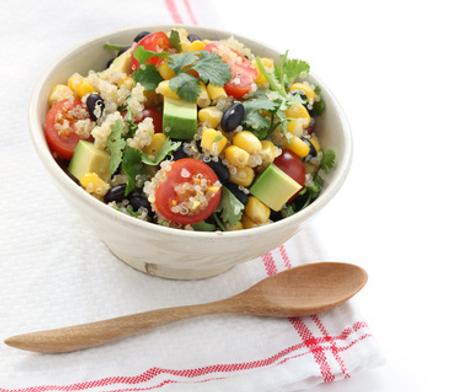
  • Offer vegan or vegetarian dishes daily as an option to other school lunch fare.
  • Meet the nutritional needs of all children, including those that are lactose-intolerant, by offering calcium-rich, nondairy beverages at all meals.
  • Include a variety of vegetable dishes, as well as fresh and dried fruits.
  • Provide programs to teach healthy eating principles to food service staff, parents and students.

In addition to these criteria, the School Nutrition Association also looks at the financial and program management of a school district when determining the award recipients for the year.

Fairfax

. . .read more

Meatless Mondays: Why Public Schools are Going Vegetarian

Updated
|
Meatless Mondays: Why Public Schools are Going Vegetarian
This article discusses the implementation of Meatless Mondays in public schools, focusing on Baltimore City Public Schools' initiative. It explores the health and environmental benefits of reducing meat consumption, the mixed reactions to the program, and its spread to other educational institutions across the country

A vegetarian diet isn't one embraced by the majority of Americans today. In fact, according to the Johns Hopkins Center for a Livable Future, most Americans exceed the daily amount of recommended protein by a significant amount, with much of it coming from meat and animal products every day. However, many public schools are hoping to change that trend by introducing "Meatless Mondays" to their students and faculty.

According to an article last year by U.S. News and World Report, numerous schools across the country have begun offering vegetarian selections to students on a daily basis. These choices were provided in addition to meat entrees, giving students both diet options. However, Meatless Mondays are a new concept that was recently introduced by Baltimore City Public Schools and is quickly spreading across the nation as other school districts are hopping onboard the vegetarian bandwagon.

This TEDTalk discusses the concept of Meatless Mondays.

Going Meatless in Baltimore

A report in the Washington Post stated the Baltimore City Public Schools launched their Meatless Mondays campaign in October of last year. Instead of the usual fare of hamburgers, pizza, and "pigs-in-a-blanket," the schools are providing students with healthy, meatless options like cheese sandwiches, cheese lasagna, and mixed vegetable bowls.

Melissa Mahoney, a chef and dietician with the Baltimore school district, said the idea started as an element of a themed approach

. . .read more

Recent Articles

AI Report Cards: Should Schools Evaluate AI Use?
Explore whether schools should assess student AI use, the benefits, risks, and what responsible AI report cards could look like in 2026.
The Parent’s Guide to School Cell Phone Bans in 2026
Learn how school cell phone bans work in 2026, why districts are adopting them, and what parents should expect.
Parental Involvement in Public Schools: 2026 Update
Explore the latest 2026 trends, research, and strategies shaping parental involvement in public schools and student success.

Notice: Javascript file does not exist: /home/devsarath/workspace/psr/public_html/javascript/components/popper.min.js in /home/devsarath/workspace/shared/misc/JSCompiler.inc.php on line 242

Notice: Javascript file does not exist: /home/devsarath/workspace/psr/public_html/javascript/components/tippy.min.js in /home/devsarath/workspace/shared/misc/JSCompiler.inc.php on line 242

Notice: Directory does not exist in /home/devsarath/workspace/shared/misc/JSCompiler.inc.php on line 242

Notice: Unable to save compiled js file in /home/devsarath/workspace/shared/misc/JSCompiler.inc.php on line 242