Health and Nutrition at School

From vending machines to Jamie Oliver, bed bugs to tuberculosis, we provide an in-depth look at health and wellness in public schools. Help your kids stay healthy on campus and learn about current health epidemics, vaccination requirements, physical fitness programs and the latest food initiatives.

View the most popular articles in Health and Nutrition at School:

Why Fast Food is “Healthier” Than School Lunches: The Shocking USDA Truth

Updated
|
Why Fast Food is “Healthier” Than School Lunches: The Shocking USDA Truth
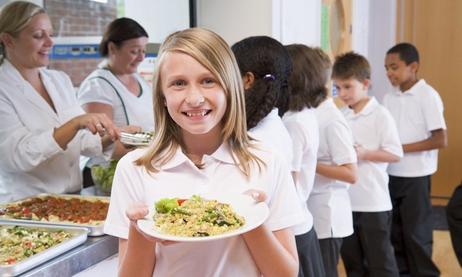
Your child’s public school lunches may be held to lower quality criteria than even fast food. Learn about the shocking investigations that expose the dangers and risks of public school cafeteria lunches.

Chicken nuggets, pizza, hamburgers, and iceberg lettuce salads: these nutritionally-questionable food choices are common fare on public school lunch menus. However, beyond the question of healthy food options is a much scarier prospect: are school lunches even safe for our children to consume?

The potential prevalence of E. Coli in school lunches has already been scrutinized, but there are more nasty shocks in store for parents and public school students. In fact, the standards governing the preparation and food content of school lunches fall short of minimums imposed upon even fast-food restaurants, such as KFC and McDonalds!

Meaty Treats: The USDA’s Low-Quality Provisions

The United States Department of Agriculture (USDA) oversees the school lunch program countrywide. Although there are strict guidelines in place, a significant percentage of the millions of pounds of meat consumed by children in the school cafeteria continually fail to meet quality standards imposed by fast-food outlets.

No parent would feed their child meat only fit for pet food or compost, yet meat from “old birds” is exactly what children are being served at school, as found by USA Today’s investigation. Even KFC and the Campbell Soup Company refuse to buy such meat because of quality considerations, and these corporations stopped doing so more than a decade ago – yet our children are eating this very type of questionable quality meat.

This video from The Rubin Report discusses the low quality of many public school lunches.
. . .read more

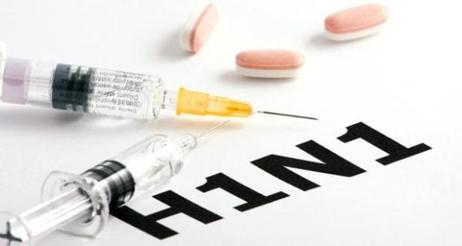
Will Your Child’s School Shut Down to Prevent the Spread of H1N1?

Updated
|
Will Your Child’s School Shut Down to Prevent the Spread of H1N1?
The CDC is encouraging school officials to avoid H1N1 closures, but what will your child's public school do? Learn more about what will prompt your child's school to take action to shut down the campus.

As we enter into the height of the flu season, the spread of the H1N1 virus has already closed down many public schools across the country. Although schools are preparing against campus outbreaks, will your child’s school take the necessary precautions to shut down the campus?

According to MSNBC, the Brookings Center on Social and Economic Dynamics estimates that closing down schools and daycares for an average of four weeks could ultimately cost between $10 billion and $47 billion. Shutting down campuses results in a loss of productivity and financial resources, while the schools simultaneously incur cleaning and reopening costs. Because closings can result in such severe costs, “The government is urging schools to close only as a last resort, such as when large numbers of kids or staffers come down with swine flu.”

While officials are hoping that schools can avoid the costly and dreaded inconveniences of school-wide closings, reality may not align with their ideals. According to reports, approximately 200 schools closed before early October 2009, which affected an estimated 80,000 students.

This video offers professional insight into the H1N1 influenza outbreak.

When a School Decides to Shut its Doors

What level of an outbreak will prompt a public school to shut its doors? While each school’s leaders may utilize a different set of criteria, it appears that most public schools will close the campus once 30% of their students have influenza

. . .read more

Can Sugar-Free Schools Improve Student Development And Grades?

Updated
|
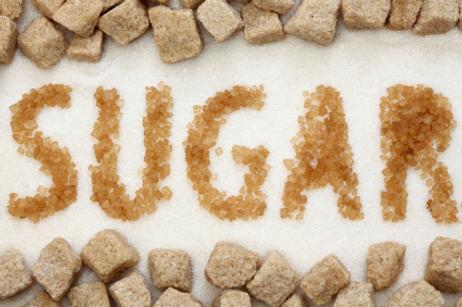
Can Sugar-Free Schools Improve Student Development And Grades?
Learn about how sugar-free public schools enjoy improved student behavior, higher test scores, and healthier students.

While Americans are generally aware that a diet high in sugar can lead to diabetes and obesity, did you know that it can also negatively impact your child’s development? Some studies have found that children with high-sugar diets are more likely to engage in conflicts, have behavioral issues at school, and perform relatively poorly on standardized tests.

If these theories are true, then a diet free of sugar may be ideal for children, especially as students move through their formative years in public schools. Subsequently, some public school leaders have banned overly-sweetened foods for their students on campus. Remarkably, many of these “sugar-free” schools have reported significant changes and positive benefits!

In this video, Sarah Krieger reviews easy healthy school lunch ideas to include snack ideas for schools that have Nut and Sugar restrictions in place.

The Trend of Sugar-Free Schools

While many public schools have recently begun experimenting with sugar-free campuses, one particular elementary school in Georgia has enforced a no-sugar policy for nearly a decade. As CNN reports, Browns Mill Elementary School in Lithonia implemented a no-sugar policy for its K-5 students in the late 1990s. The elementary school prohibits bake sales, sodas, sweet snacks, and other unhealthy sugar-filled treats on campus.

In place of these options, students attending Browns Mill Elementary opt for healthier foods and beverages, such as low-fat milk, vegetables, and sandwiches served on

. . .read more

Is Your Child Eligible for Free School Meals?

Updated
|
Is Your Child Eligible for Free School Meals?
Learn about the National School Lunch Program, which provides free or low-cost meals to students, and see if your child can qualify for the program.

If your family is currently facing financial difficulties, your children may be eligible for free or reduced-cost meals at school. In today's soft economy, a rising number of students can qualify for food assistance - which is particularly important to providing nutrition that will promote optimal learning.

The National School Lunch Program (NSLP) is a federally assisted initiative in the United States that provides nutritious and affordable meals to school children. It was established in 1946 and is administered by the United States Department of Agriculture (USDA).

The primary goal of the National School Lunch Program is to ensure that all students have access to healthy meals during the school day. The program aims to promote the overall well-being and academic performance of children by providing them with balanced and nutritious food options.

Under the NSLP, participating schools receive cash subsidies and food commodities from the USDA to offer free or reduced-price meals to eligible students. The program is available in public, nonprofit private, and residential child care institutions, including pre-kindergarten and afterschool programs.

The NSLP offers a variety of food choices that meet specific nutritional guidelines. These guidelines are designed to provide a balanced mix of protein, fruits, vegetables, whole grains, and low-fat dairy products. The meals served through the program are required to meet certain standards for calories, saturated fat, sodium, and other nutrients.

Parents play a crucial role in the National School Lunch Program. They are responsible for submitting an application for their child

. . .read more

Why Peanuts are Being Banned at Public Schools

Updated
|
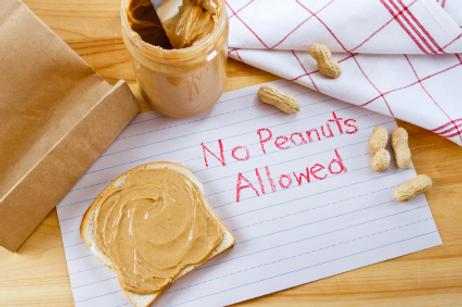
Why Peanuts are Being Banned at Public Schools
Learn about why public schools are entirely banning peanuts on campus and the severe dangers children allergic to peanuts can experience from even casual exposure.

According to WebMD reports, the number of children who are allergic to peanuts has doubled in just the last several years! Specifically, in a nationwide survey, over 3 percent of American homes have family members with serious peanut allergies.

As the number of allergy cases continues to rise, many public schools have gradually implemented “peanut bans” in order to protect all of their students from these health threats. However, many parents and community members pose the question: are peanut-free public schools overreacting?

This video offers an overview of peanut allergies.

Peanut Allergies and Public School Students

As WebMD reveals, despite the increasing number of peanut allergies in the United States, many individuals are unaware of the serious implications of peanut exposure. Alarmingly, nearly 80 percent of children who are allergic to nuts experience symptoms such as:

  • Throat tightness
  • Shortness of breath
  • Hives
  • Difficulty breathing

Since allergic reactions to nuts can actually inhibit or halt breathing, many officials assert that public areas, especially schools, should regulate the consumption of these products. While schools are certainly hoping to protect their students who are known to be allergic, school officials are also striving to protect those who are unaware of their own allergies. In fact, only? of children have been reported to visit a doctor to investigate their own allergies.

Yet even when students are aware of their own allergies, sometimes the mere exposure to various forms of

. . .read more

Recent Articles

AI Report Cards: Should Schools Evaluate AI Use?
Explore whether schools should assess student AI use, the benefits, risks, and what responsible AI report cards could look like in 2026.
The Parent’s Guide to School Cell Phone Bans in 2026
Learn how school cell phone bans work in 2026, why districts are adopting them, and what parents should expect.
Parental Involvement in Public Schools: 2026 Update
Explore the latest 2026 trends, research, and strategies shaping parental involvement in public schools and student success.

Notice: Javascript file does not exist: /home/devsarath/workspace/psr/public_html/javascript/components/popper.min.js in /home/devsarath/workspace/shared/misc/JSCompiler.inc.php on line 242

Notice: Javascript file does not exist: /home/devsarath/workspace/psr/public_html/javascript/components/tippy.min.js in /home/devsarath/workspace/shared/misc/JSCompiler.inc.php on line 242

Notice: Directory does not exist in /home/devsarath/workspace/shared/misc/JSCompiler.inc.php on line 242

Notice: Unable to save compiled js file in /home/devsarath/workspace/shared/misc/JSCompiler.inc.php on line 242