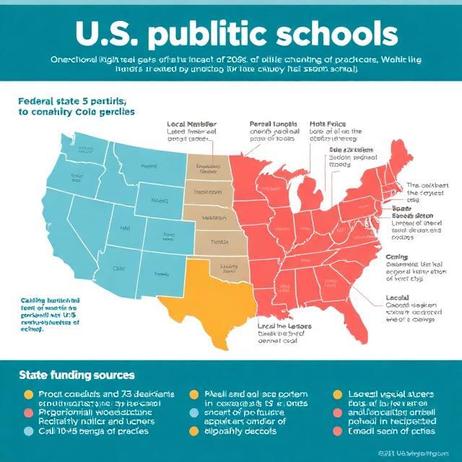
Overview of the Funding of Public Schools (2026 Update)
Understanding the funding of public schools is essential for parents, educators, and policymakers alike. School funding shapes everything from class sizes and teacher salaries to extracurricular offerings and facility quality. While the basic structure of funding has remained consistent for decades, recent policy shifts, economic pressures, and post-pandemic recovery efforts have made 2026 an especially important moment to revisit how public education is financed in the United States.
This updated overview explains where school funding comes from, how it is distributed, and why disparities persist across districts.
The Three Primary Sources of Public School Funding
Public schools in the United States are funded through a combination of federal, state, and local sources. Each plays a distinct role, with varying levels of influence depending on the district.
1. Local Funding: Property Taxes and Community Wealth
Local funding remains the largest contributor in many districts, primarily through property taxes. Communities with higher property values generate more revenue, which often translates into better-funded schools.
Key characteristics of local funding:
Based on property tax assessments
Controlled by local school boards and municipalities
Highly variable between districts
This system creates significant disparities. Affluent areas can afford modern facilities, advanced coursework, and smaller class sizes, while lower-income districts may struggle to meet basic needs.
For a deeper look at how school quality varies by location, see Why Public School District Boundaries Matter.
2. State Funding: Equalization Efforts
State governments attempt to balance inequities through