Updated
|
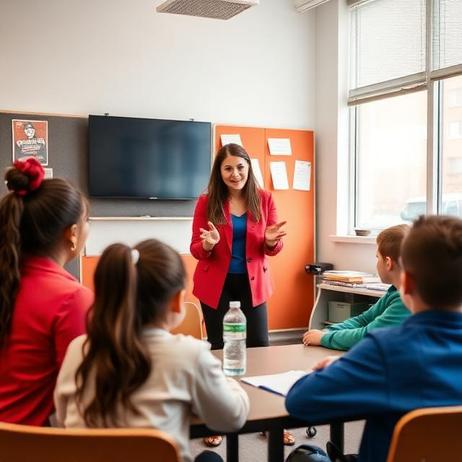
What Happens During a School Inspection? A Parent’s Guide
Learn what happens during a public school inspection, what inspectors evaluate, and how inspection results affect students, parents, and schools.

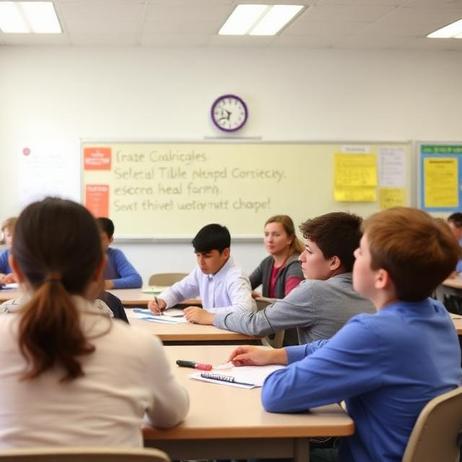
For many parents, the phrase “school inspection” sounds formal, technical, and somewhat intimidating. Yet school inspections are a routine and important part of maintaining educational quality across the United States. Whether conducted by state education agencies, accreditation organizations, or district review teams, inspections help ensure schools are meeting academic, safety, and operational standards.

In 2026, school inspections have evolved significantly. Modern evaluations now examine not only academic performance but also student well-being, school climate, safety procedures, teacher development, and equity initiatives. Understanding what happens during a school inspection can help parents better interpret school ratings, improvement plans, and public accountability reports.

For families researching schools through resources like Public School Rankings or exploring strategies for choosing the best school for your child, inspections provide valuable insight into how schools operate behind the scenes.

What Is a School Inspection?

A school inspection is a formal evaluation process designed to assess how effectively a school is educating and supporting students. Inspections may be conducted by:

  • State departments of education
  • Regional accreditation agencies
  • School districts
  • Federal compliance reviewers
  • Independent education evaluators

The primary goal is not simply to “grade” schools, but to identify strengths, weaknesses, compliance issues, and opportunities for improvement.

Unlike standardized test scores alone, inspections provide a broader picture of school quality. According to the National Center for Education Statistics, accountability systems increasingly incorporate factors such as attendance, graduation rates, student engagement, and school climate alongside academic outcomes.

Why Schools Are Inspected

School inspections serve several
. . .read more

Consistent School Attendance and Academic Success

Updated
|
Consistent School Attendance and Academic Success
Learn how consistent school attendance drives academic success, graduation rates, and long-term student outcomes in 2026.

Consistent school attendance and academic success are closely connected, yet many families underestimate just how significant this relationship is. In 2026, as schools continue to address post-pandemic learning gaps and chronic absenteeism, attendance has become one of the most important predictors of student achievement.

Public schools across the United States are emphasizing attendance not simply as a compliance issue, but as a foundational element of learning. Missing even a few days each month can accumulate into serious academic setbacks, affecting everything from reading proficiency in early grades to graduation rates in high school.

This article explores why consistent school attendance matters, how it impacts academic success, and what parents and educators can do to support strong attendance habits.

Why Consistent School Attendance Matters

Attendance is more than being physically present. It reflects engagement, continuity in learning, and access to critical instructional time.

According to the U.S. Department of Education, chronic absenteeism, defined as missing 10 percent or more of the school year, continues to affect millions of students nationwide. Even in districts with improved digital tools and hybrid learning options, in-person attendance remains essential for academic growth.

Students who attend school regularly benefit from:

  • Continuous exposure to curriculum and instruction
  • Stronger relationships with teachers and peers
  • Greater participation in discussions and activities
  • Improved understanding of complex subjects

In contrast, frequent absences disrupt learning sequences. Concepts build on one another, especially in subjects like math and reading. When students miss foundational lessons, catching up becomes increasingly

. . .read more

Managing Homework Without the Nightly Power Struggle

Updated
|
Managing Homework Without the Nightly Power Struggle
Learn proven strategies to manage homework without conflict, reduce stress, and build student independence in 2026.

Managing homework without the nightly power struggle is a challenge that many families know well. What begins as a simple assignment can quickly escalate into frustration, resistance, and tension that affects the entire household. For public school families navigating busy schedules, evolving academic expectations, and increasing screen time, the issue has only grown more complex in 2026.

The good news is that research and classroom experience point to clear, practical strategies that reduce conflict while helping students build independence and accountability. When families shift from control-based approaches to structured support, homework can become a more productive and far less stressful part of the day.

Why Homework Battles Happen

Before addressing solutions, it is important to understand the root causes behind homework struggles. These conflicts are rarely about laziness or defiance alone.

Common contributing factors include:

  • Cognitive overload: Students juggle multiple subjects, especially in middle and high school
  • Lack of clarity: Assignments may not be fully understood after a long school day
  • Executive function challenges: Skills like organization and time management are still developing
  • Emotional fatigue: Students are often mentally drained by the time they get home
  • Parent expectations: Misalignment between parent expectations and a child’s readiness

According to the U.S. Department of Education, family engagement is one of the strongest predictors of academic success, but the quality of that engagement matters more than the intensity. Constant conflict can undermine motivation and confidence.

Reframing Homework: From Control to Coaching

One of the most effective ways of

. . .read more

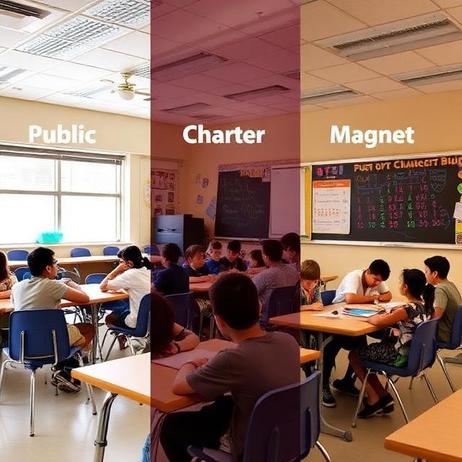
Public vs Charter vs Magnet School: Which Is Best?

Updated
|
Public vs Charter vs Magnet School: Which Is Best?
Compare public, charter, and magnet schools in 2026. Learn key differences, benefits, and how to choose the best option for your child.

Choosing the right school is one of the most important decisions families make. When comparing public vs charter vs magnet school options, parents often find that each model offers distinct advantages, trade-offs, and learning environments.

In 2026, the landscape of public education continues to evolve, with expanded school choice, specialized programs, and increased accountability. Understanding how these three school types differ can help families make a confident, informed decision.

Understanding the Basics

Before diving into comparisons, it is helpful to define each type of school.

Traditional Public Schools

Traditional public schools are funded and operated by local school districts. They serve students based on geographic boundaries and must follow state curriculum standards.

Charter Schools

Charter schools are publicly funded but independently operated. They are granted more flexibility in curriculum, staffing, and teaching methods in exchange for meeting performance goals.

Magnet Schools

Magnet schools are public schools with specialized themes or curricula, such as STEM, performing arts, or international studies. They often attract students from across district lines.

Key Differences at a Glance

Feature Public Schools Charter Schools Magnet Schools
Funding Public Public Public
Governance District-run Independent District-run
Admission Zoning-based Lottery (if oversubscribed) Application or lottery
Curriculum Standardized Flexible Specialized focus
Transportation Usually provided Varies Sometimes limited

Academic Approach and Curriculum

Public Schools: Standardized and Broad

Public schools follow state-approved curricula designed to serve a wide range of learners. This consistency ensures alignment with statewide standards and assessments.

According to the National Center for Education Statistics, over 85% of U.S. students attend traditional public schools, reflecting their central role in education
nces.ed.gov

Charter Schools: Flexible and Innovative

Charter schools often emphasize:

. . .read more

Smaller Class Sizes: Pros and Cons in 2026

Updated
|
Smaller Class Sizes: Pros and Cons in 2026
Explore the pros and cons of smaller class sizes in public schools, including 2026 research, costs, and student outcomes.

The debate over smaller class sizes remains central to education policy in 2026. Parents often assume that fewer students automatically lead to better outcomes, while districts must weigh the financial and logistical realities of reducing class size. The truth lies somewhere in between.

This updated analysis examines the benefits and trade-offs of smaller class sizes, drawing on recent research, policy developments, and real-world school practices.

What Are Smaller Class Sizes?

Class size refers to the number of students assigned to a teacher in a classroom. While definitions vary, most educators consider:

  • Small classes: 15–18 students
  • متوسط classes: 19–25 students
  • Large classes: 26+ students

Policies on class size differ widely across states. According to the National Center for Education Statistics, average class sizes in U.S. public schools have remained relatively stable, though some districts have recently prioritized reductions in early grades.

The Benefits of Smaller Class Sizes

1. More Individualized Instruction

One of the most widely cited advantages of smaller class sizes is the ability for teachers to provide personalized attention. With fewer students:

  • Teachers can adapt lessons to different learning styles
  • Students receive more direct feedback
  • Struggling learners are identified earlier

Research from the Tennessee STAR Project continues to influence policy discussions, showing long-term academic gains for students in smaller classes, especially in early grades.

2. Improved Student Engagement

Smaller classrooms tend to foster stronger participation. Students are more likely to:

  • Ask questions
  • Engage in discussions
  • Build confidence in expressing ideas

This aligns

. . .read more

Recent Articles

AI Report Cards: Should Schools Evaluate AI Use?
Explore whether schools should assess student AI use, the benefits, risks, and what responsible AI report cards could look like in 2026.
The Parent’s Guide to School Cell Phone Bans in 2026
Learn how school cell phone bans work in 2026, why districts are adopting them, and what parents should expect.
Parental Involvement in Public Schools: 2026 Update
Explore the latest 2026 trends, research, and strategies shaping parental involvement in public schools and student success.

Notice: Javascript file does not exist: /home/devsarath/workspace/psr/public_html/javascript/components/popper.min.js in /home/devsarath/workspace/shared/misc/JSCompiler.inc.php on line 242

Notice: Javascript file does not exist: /home/devsarath/workspace/psr/public_html/javascript/components/tippy.min.js in /home/devsarath/workspace/shared/misc/JSCompiler.inc.php on line 242

Notice: Directory does not exist in /home/devsarath/workspace/shared/misc/JSCompiler.inc.php on line 242

Notice: Unable to save compiled js file in /home/devsarath/workspace/shared/misc/JSCompiler.inc.php on line 242