Updated
|
Should My Child Enroll in Honors or General Courses in 2026?
Learn how to decide between honors and general courses in 2026, including GPA impact, college admissions, stress levels, and student readiness.

Choosing between honors and general courses is one of the most important academic decisions families make during middle school and high school. In 2026, the decision carries even more weight as public schools expand advanced academic opportunities, colleges continue emphasizing course rigor, and student mental health remains a growing concern.

For many parents, the question is straightforward but difficult: Should my child enroll in honors or general courses?

The answer depends less on prestige and more on the individual student. Academic strengths, work habits, long-term goals, stress tolerance, and extracurricular commitments all play a role in determining the right fit.

The best course pathway is usually one that challenges a student appropriately while still allowing room for growth, balance, and confidence.

What Is the Difference Between Honors and General Courses?

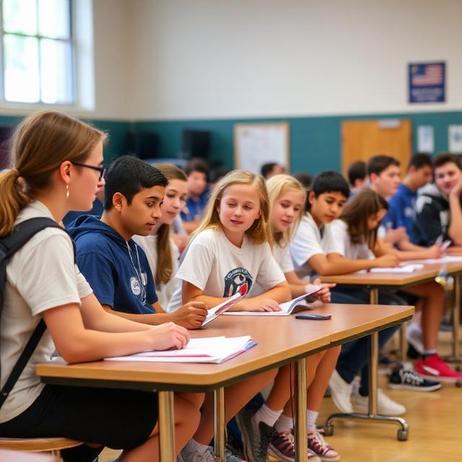
Honors courses are designed to move at a faster pace and explore material in greater depth than general or standard-level classes. Students are often expected to complete more independent work, engage in analytical thinking, and manage heavier reading and writing loads.

General courses typically follow grade-level academic standards with more instructional support and a steadier pace.

Most schools use honors classes to prepare students for future advanced coursework such as AP, IB, or dual enrollment programs. According to the College Board, students who complete rigorous coursework in high school are often better prepared for college-level expectations.

Parents should understand that honors does not necessarily mean “better” for every student. The goal is not simply to take
. . .read more

Preparing for Fall Parent-Teacher Conferences

Updated
|
Preparing for Fall Parent-Teacher Conferences
Learn how to prepare for fall parent-teacher conferences with practical tips, key questions, and 2026 communication strategies for families.

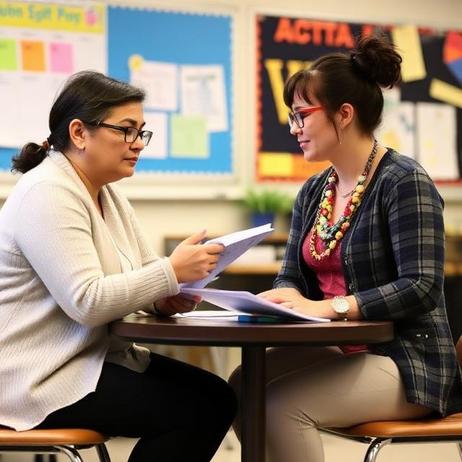
Fall parent-teacher conferences are one of the first major opportunities families and educators have to establish a productive partnership for the school year. Unlike spring meetings, which often focus on year-end performance and placement decisions, fall conferences help identify early academic trends, social adjustment concerns, and communication strategies before small issues become larger problems.

In 2026, parent-teacher conferences continue evolving alongside digital gradebooks, hybrid meeting formats, and increased attention to student wellness and executive functioning skills. Schools now frequently offer both in-person and virtual conference options, giving families more flexibility while also changing how conversations are structured and documented.

For parents, preparing thoughtfully can make these brief meetings significantly more productive. For teachers, organized conferences build trust and improve long-term family engagement. Research consistently shows that students benefit when schools and families communicate regularly and collaboratively.

According to the National Education Association, strong parent-teacher partnerships contribute to better attendance, stronger academic performance, and improved student behavior.

This guide explains how families can prepare for fall parent-teacher conferences, what questions to ask, and how to turn conference feedback into meaningful support throughout the school year.

Why Fall Parent-Teacher Conferences Matter

The first months of school provide important insight into how students are adjusting academically, socially, and emotionally. Teachers are beginning to identify:

  • Learning strengths and challenges
  • Classroom participation patterns
  • Organization and study habits
  • Peer relationships
  • Behavioral trends
  • Attendance concerns

Because the school year is still relatively new, fall conferences offer time to intervene early if support is needed.

. . .read more

How Extracurricular Activities Improve Academic Performance

Updated
|
How Extracurricular Activities Improve Academic Performance
Learn how extracurricular activities support academic performance, student engagement, leadership, and long-term success in public schools.

For decades, extracurricular activities were often viewed as optional additions to a student’s education. In 2026, that perspective has shifted significantly. Educators, researchers, and parents increasingly recognize that extracurricular involvement can directly influence academic performance, school engagement, and long-term student success.

From athletics and debate teams to robotics clubs and student government, extracurricular programs help students build skills that extend well beyond the classroom. Public schools across the country are also reevaluating how after-school programs support attendance, graduation rates, mental wellness, and college readiness.

The relationship between extracurricular activities and academic achievement is not always simple, however. Participation can produce meaningful academic benefits when students maintain balance, receive adequate support, and engage in activities aligned with their interests.

What Counts as an Extracurricular Activity?

Extracurricular activities are structured programs that take place outside standard academic coursework. They may occur before school, after school, during weekends, or over the summer.

Common examples include:

  • Sports teams
  • Music and performing arts
  • Debate and academic clubs
  • Student government
  • Volunteer and service organizations
  • STEM clubs and robotics
  • School newspapers and media programs
  • Career and technical student organizations

Many public schools now view extracurricular participation as part of a broader student development strategy rather than simply an enrichment option.

According to the National Center for Education Statistics, extracurricular participation remains strongly associated with positive school outcomes, including attendance and graduation rates.

The Connection Between Extracurricular Activities and Academic Performance

Research consistently shows that students who participate in extracurricular activities often perform

. . .read more

The Experience of Being a New Student Mid-Year

Updated
|
The Experience of Being a New Student Mid-Year
Learn what students experience when transferring to a public school mid-year and how schools help new students adjust socially and academically.

Starting at a new public school is challenging under any circumstances, but arriving in the middle of the academic year can feel especially overwhelming. While other students already understand routines, friendships, teacher expectations, and campus culture, mid-year transfer students must adjust quickly to unfamiliar surroundings.

Whether the move is caused by family relocation, housing changes, military transitions, academic needs, or personal circumstances, entering a new school mid-year often affects both academic performance and emotional well-being. Public schools across the country increasingly recognize these challenges and are expanding transition support systems to help new students feel welcomed and connected.

For families, understanding the experience of being a new student mid-year can make the adjustment process smoother and less stressful.

Why Students Transfer Mid-Year

Students transfer schools during the school year for many reasons. Some moves are planned, while others happen unexpectedly.

Common reasons include:

  • Family relocation
  • Changes in housing or custody arrangements
  • Military family reassignment
  • Academic concerns
  • Bullying or social issues
  • School safety concerns
  • Specialized program opportunities
  • Financial or transportation changes

The National Center for Education Statistics tracks student mobility trends and continues to report that millions of students change schools each year. Mid-year transitions are particularly common in larger districts and among highly mobile populations.

While some students adapt quickly, others may struggle academically, socially, or emotionally during the adjustment period.

The First Day Challenges

For many students, the first day at a new school mid-year is the hardest part of the transition.

Unlike the beginning of the school year, there is

. . .read more

How Public Schools Structure Free Periods or Study Time

Updated
|
How Public Schools Structure Free Periods or Study Time
Learn how public schools structure free periods or study time to support homework, tutoring, enrichment, and student independence.

How public schools structure free periods or study time can significantly affect how students manage homework, prepare for assessments, seek academic help, and build independence. While families often focus on courses, grades, and extracurricular options, the unscheduled or lightly structured parts of the school day also matter.

In many public schools, free periods are no longer treated simply as empty blocks in a student’s schedule. They may function as study halls, advisory periods, intervention blocks, tutoring time, enrichment periods, or supervised independent work sessions. The structure varies by grade level, school size, staffing, and district priorities.

For parents, understanding how these periods work can provide valuable insight into a school’s academic culture and student support system.

Why Free Periods Matter in Public Schools

Free periods give students time to complete assignments, review class material, meet with teachers, organize materials, or simply reset during a demanding school day. In secondary schools, they can be especially important because students often juggle multiple teachers, extracurricular commitments, advanced courses, and part-time responsibilities.

The National Center for Education Statistics provides broad data on U.S. education conditions, including school organization, student participation, and institutional trends. While each district makes its own scheduling decisions, national data helps families understand how school time fits into larger patterns of public education.

A well-designed study period can help students:

  • Complete homework before evening activities
  • Receive teacher or peer support
  • Practice time management
  • Prepare for tests
  • Reduce academic stress
  • Build independent study habits

A poorly designed free period, however, may become

. . .read more

Recent Articles

AI Report Cards: Should Schools Evaluate AI Use?
Explore whether schools should assess student AI use, the benefits, risks, and what responsible AI report cards could look like in 2026.
The Parent’s Guide to School Cell Phone Bans in 2026
Learn how school cell phone bans work in 2026, why districts are adopting them, and what parents should expect.
Parental Involvement in Public Schools: 2026 Update
Explore the latest 2026 trends, research, and strategies shaping parental involvement in public schools and student success.

Notice: Javascript file does not exist: /home/devsarath/workspace/psr/public_html/javascript/components/popper.min.js in /home/devsarath/workspace/shared/misc/JSCompiler.inc.php on line 242

Notice: Javascript file does not exist: /home/devsarath/workspace/psr/public_html/javascript/components/tippy.min.js in /home/devsarath/workspace/shared/misc/JSCompiler.inc.php on line 242

Notice: Directory does not exist in /home/devsarath/workspace/shared/misc/JSCompiler.inc.php on line 242

Notice: Unable to save compiled js file in /home/devsarath/workspace/shared/misc/JSCompiler.inc.php on line 242