About Public Schools

Here we cover the history of public schools, explain the various types and discuss their pros/cons. Learn more about technology on campus, health and nutrition issues, and the latest information related to a variety of student populations.

View the most popular articles in About Public Schools:

What Makes a Public School Feel Welcoming in 2026

Updated
|
What Makes a Public School Feel Welcoming in 2026
Discover how public schools create welcoming environments through inclusion, relationships, student support, and community engagement.

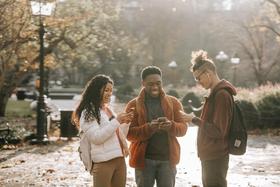
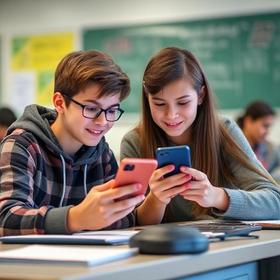
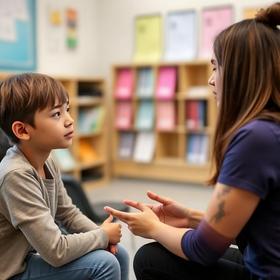
A welcoming public school can shape how students learn, participate, and connect with their community. In 2026, educators are increasingly focused on creating school environments where students feel safe, respected, included, and supported from the moment they walk through the doors.

A school's atmosphere influences far more than first impressions. Welcoming schools often experience stronger student engagement, improved attendance, better parent involvement, and healthier relationships between students and staff. According to the National Center for Education Statistics, positive school climate remains closely connected to academic achievement and student well-being.

While every school community is different, the most welcoming public schools often share several important characteristics.

Positive Relationships Between Students and Staff

One of the strongest indicators of a welcoming school is the quality of relationships between students and adults on campus. Students are more likely to feel comfortable and confident when teachers, counselors, administrators, and support staff consistently show respect, empathy, and encouragement.

Welcoming schools create environments where students feel known as individuals rather than simply names on a roster.

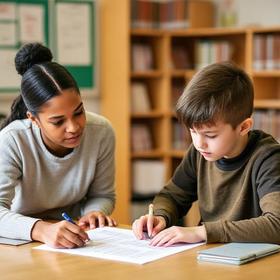
The Role of Support Services in Public Schools: Tutoring, Counseling & More explains how counseling programs, mentoring, and student support systems contribute to stronger emotional well-being and school engagement.

Small Gestures Matter

Many students identify small daily interactions as important parts of feeling welcomed, including:

  • Teachers greeting students by name
  • Staff members checking in regularly
  • Administrators being visible in hallways
  • Coaches and advisors offering encouragement
  • Peer mentoring opportunities

These consistent interactions help students feel valued and connected

. . .read more

How Public Schools Create School Spirit in 2026

Updated
|
How Public Schools Create School Spirit in 2026
Learn how public schools build school spirit through traditions, activities, leadership, and community engagement in 2026.

School spirit plays a major role in shaping the culture and identity of public schools. While academics remain the foundation of education, school pride helps students feel connected, motivated, and engaged. In 2026, many districts are placing renewed emphasis on building strong school communities as educators address student engagement, attendance, and mental wellness concerns.

Public schools create school spirit through athletics, traditions, leadership opportunities, extracurricular activities, and inclusive community events. When students feel emotionally connected to their schools, they are often more likely to participate, attend consistently, and develop stronger relationships with peers and teachers.
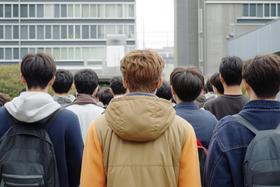
Research continues to show that school engagement and extracurricular involvement contribute positively to academic performance and long-term student success. According to the National Center for Education Statistics, students who participate in school-sponsored activities often report higher levels of engagement and school connectedness.

Why School Spirit Matters

School spirit is more than pep rallies and mascots. It reflects a sense of belonging and shared identity that can influence the overall school climate.

Strong school spirit can help:

  • Improve student engagement
  • Increase participation in school events
  • Encourage positive peer relationships
  • Strengthen teacher-student connections
  • Promote attendance and school pride
  • Build community trust and involvement

As schools continue to focus on student well-being beyond standardized testing, many educators are recognizing the importance of culture and belonging. Measuring Student Success in Public Schools: Beyond Test Scores highlights how school climate and engagement have become increasingly important indicators of student success in modern education.

Traditions That Unite Students

One

. . .read more

10 Advantages of Public Education in 2026

Updated
|
10 Advantages of Public Education in 2026
Discover the top advantages of public education in 2026, from accessibility and diversity to advanced academic programs and student support.


Public education remains the foundation of American K-12 learning, serving more than 49 million students nationwide. While school choice debates continue to evolve in 2026, traditional public schools still offer significant advantages for families seeking affordability, accessibility, academic opportunity, and community engagement.

For many parents, evaluating school options means balancing academics, extracurricular offerings, student support, and long-term outcomes. Public schools continue to adapt to changing student needs through expanded STEM programs, career pathways, mental health services, dual enrollment opportunities, and technology integration.

Families researching school options can also explore additional guidance through Public School Review’s Getting Started resources and the site’s broader public school directory and rankings.

Why Public Education Still Matters in 2026

Public schools were designed to provide equitable access to education regardless of income, background, language, or ability level. That mission remains central today.

According to the National Center for Education Statistics, public schools educate the overwhelming majority of American students and continue expanding programs that support college readiness, workforce preparation, and individualized learning.

At the same time, many districts are responding to enrollment shifts, school choice policies, and changing workforce demands by modernizing curriculum and investing in specialized learning pathways.

Below are 10 major advantages of public education that continue to make public schools an important choice for families in 2026.

1. Public Education Is Tuition-Free

One of the most significant advantages of public education is affordability.

Public schools are funded through local, state, and federal tax dollars, allowing families

. . .read more

The Experience of Being a New Student Mid-Year

Updated
|
The Experience of Being a New Student Mid-Year
Learn what students experience when transferring to a public school mid-year and how schools help new students adjust socially and academically.

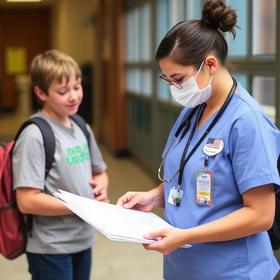
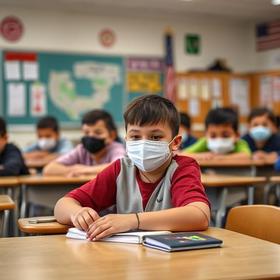
Starting at a new public school is challenging under any circumstances, but arriving in the middle of the academic year can feel especially overwhelming. While other students already understand routines, friendships, teacher expectations, and campus culture, mid-year transfer students must adjust quickly to unfamiliar surroundings.

Whether the move is caused by family relocation, housing changes, military transitions, academic needs, or personal circumstances, entering a new school mid-year often affects both academic performance and emotional well-being. Public schools across the country increasingly recognize these challenges and are expanding transition support systems to help new students feel welcomed and connected.

For families, understanding the experience of being a new student mid-year can make the adjustment process smoother and less stressful.

Why Students Transfer Mid-Year

Students transfer schools during the school year for many reasons. Some moves are planned, while others happen unexpectedly.

Common reasons include:

  • Family relocation
  • Changes in housing or custody arrangements
  • Military family reassignment
  • Academic concerns
  • Bullying or social issues
  • School safety concerns
  • Specialized program opportunities
  • Financial or transportation changes

The National Center for Education Statistics tracks student mobility trends and continues to report that millions of students change schools each year. Mid-year transitions are particularly common in larger districts and among highly mobile populations.

While some students adapt quickly, others may struggle academically, socially, or emotionally during the adjustment period.

The First Day Challenges

For many students, the first day at a new school mid-year is the hardest part of the transition.

Unlike the beginning of the school year, there is

. . .read more

How Public Schools Structure Free Periods or Study Time

Updated
|
How Public Schools Structure Free Periods or Study Time
Learn how public schools structure free periods or study time to support homework, tutoring, enrichment, and student independence.

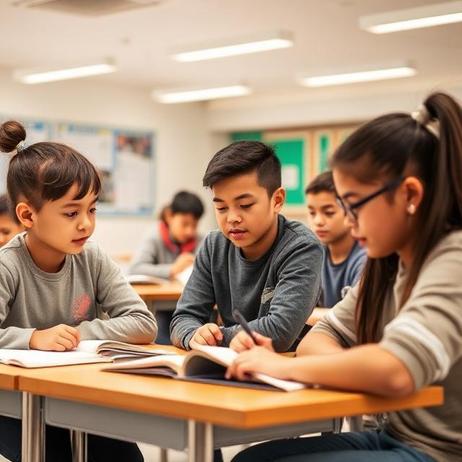
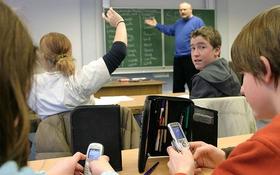
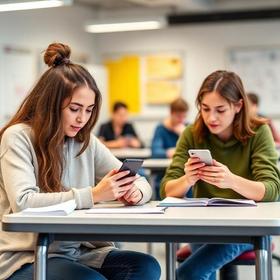
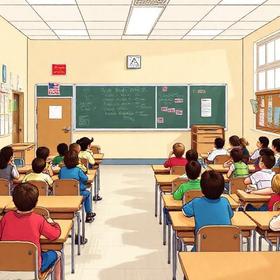
How public schools structure free periods or study time can significantly affect how students manage homework, prepare for assessments, seek academic help, and build independence. While families often focus on courses, grades, and extracurricular options, the unscheduled or lightly structured parts of the school day also matter.

In many public schools, free periods are no longer treated simply as empty blocks in a student’s schedule. They may function as study halls, advisory periods, intervention blocks, tutoring time, enrichment periods, or supervised independent work sessions. The structure varies by grade level, school size, staffing, and district priorities.

For parents, understanding how these periods work can provide valuable insight into a school’s academic culture and student support system.

Why Free Periods Matter in Public Schools

Free periods give students time to complete assignments, review class material, meet with teachers, organize materials, or simply reset during a demanding school day. In secondary schools, they can be especially important because students often juggle multiple teachers, extracurricular commitments, advanced courses, and part-time responsibilities.

The National Center for Education Statistics provides broad data on U.S. education conditions, including school organization, student participation, and institutional trends. While each district makes its own scheduling decisions, national data helps families understand how school time fits into larger patterns of public education.

A well-designed study period can help students:

  • Complete homework before evening activities
  • Receive teacher or peer support
  • Practice time management
  • Prepare for tests
  • Reduce academic stress
  • Build independent study habits

A poorly designed free period, however, may become

. . .read more

Recent Articles

AI Report Cards: Should Schools Evaluate AI Use?
Explore whether schools should assess student AI use, the benefits, risks, and what responsible AI report cards could look like in 2026.
The Parent’s Guide to School Cell Phone Bans in 2026
Learn how school cell phone bans work in 2026, why districts are adopting them, and what parents should expect.
Parental Involvement in Public Schools: 2026 Update
Explore the latest 2026 trends, research, and strategies shaping parental involvement in public schools and student success.

About Public Schools

OVERVIEW OF PUBLIC SCHOOLS
A comprehensive look at the U.S. public school system, including history, governing bodies, funding, and services. Compare private, public and charter schools. Learn more about Magnet school programs and get tips on choosing the right school for your child.
TYPES OF PUBLIC SCHOOLS
Explore the different types of public schools, from charter to language immersion, and learn about the unique pros and cons of each type. Is a co-ed or single sex classroom best for your child? Charter school or magnet? Read expert advice and get valuable tips on the various public education programs available and how to choose what works best for your family.
TECHNOLOGY ON CAMPUS
From eBooks to web cams, technology on campus continues to grow. Learn how the latest technology impacts your child’s education. Get tips on the best ways to integrate technology into education and stay abreast of the latest developments and challenges facing schools.
HEALTH AND NUTRITION AT SCHOOL
From vending machines to Jamie Oliver, bed bugs to tuberculosis, we provide an in-depth look at health and wellness in public schools. Help your kids stay healthy on campus and learn about current health epidemics, vaccination requirements, physical fitness programs and the latest food initiatives.
BACK TO SCHOOL
Learn more about preparing your child and wallet for a new school year. Inside you’ll find valuable advice to help your family prepare for the transition from swimsuits to school. While there is no tuition, public school education does not come without costs. Learn more about budgeting for a new school year and get great money saving tips.
STUDENT POPULATIONS
The latest trends, laws and resources for a variety of student populations. Every child has different needs, and this section offers helpful information for LGBT, special education, gifted, low-income, and minority students.

Notice: Javascript file does not exist: /home/devsarath/workspace/psr/public_html/javascript/components/popper.min.js in /home/devsarath/workspace/shared/misc/JSCompiler.inc.php on line 242

Notice: Javascript file does not exist: /home/devsarath/workspace/psr/public_html/javascript/components/tippy.min.js in /home/devsarath/workspace/shared/misc/JSCompiler.inc.php on line 242

Notice: Directory does not exist in /home/devsarath/workspace/shared/misc/JSCompiler.inc.php on line 242

Notice: Unable to save compiled js file in /home/devsarath/workspace/shared/misc/JSCompiler.inc.php on line 242