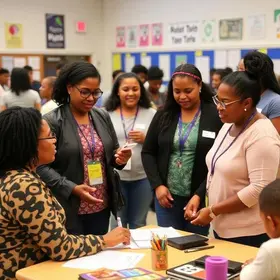
Changing schools can be one of the most significant transitions a student experiences during childhood or adolescence. Whether prompted by a family move, academic concerns, school zoning changes, or the search for specialized programs, transferring between public schools involves more than simply updating paperwork. It often affects academics, friendships, routines, extracurricular involvement, and emotional well-being.
In recent years, student mobility between public schools has increased as districts expand school choice programs, open enrollment policies, magnet pathways, and transfer options. According to the National Center for Education Statistics, millions of students change schools each year due to relocation, district policies, or family preference.
For parents, understanding the full experience of transferring between public schools can make the process smoother and less stressful for everyone involved.
Why Families Transfer Between Public Schools
Families transfer students between public schools for many reasons. Some transfers are voluntary, while others are unavoidable.
Common reasons include:
- Relocation to a new neighborhood or state
- Access to stronger academic programs
- Enrollment in magnet or STEM schools
- Safety or bullying concerns
- Special education or support service needs
- Changes in family circumstances
- School zoning adjustments
- Desire for smaller learning environments
The growth of school choice initiatives has also made transfers more common. As explained in School Choice in 2026: What Parents Must Know, many states now offer expanded interdistrict and intradistrict transfer opportunities.
The Administrative Side of Transferring
One of the first challenges families encounter is navigating the administrative process. While transferring between public schools is generally easier than transferring