About Public Schools

Here we cover the history of public schools, explain the various types and discuss their pros/cons. Learn more about technology on campus, health and nutrition issues, and the latest information related to a variety of student populations.

View the most popular articles in About Public Schools:

The Logistics of Opening a Public School Each Year

Updated
|
The Logistics of Opening a Public School Each Year
Explore the logistics of opening a public school each year, from staffing and budgeting to transportation and safety planning.

The logistics of opening a public school each year are far more complex than most families realize. While students and parents often focus on the first day of school, districts spend months coordinating staffing, transportation, curriculum, facilities, and safety systems to ensure a smooth start.

In 2026, these logistical efforts have become even more intricate. Schools must balance academic recovery efforts, evolving safety expectations, technology integration, and staffing challenges. For parents evaluating schools, understanding how districts manage these moving parts offers valuable insight into overall school quality and organization.

This article explores the key operational steps that shape the annual reopening of public schools, highlighting the planning, coordination, and problem-solving required behind the scenes.

Strategic Planning Begins Months in Advance

The logistics of opening a public school each year typically begin well before summer. District administrators start planning in late winter or early spring, using enrollment projections, budget forecasts, and policy updates to guide decisions.

Enrollment trends are especially critical. Districts rely on historical data, housing development patterns, and demographic shifts to estimate how many students will attend each school. The National Center for Education Statistics provides ongoing data resources at https://nces.ed.gov, which many districts use as part of broader planning efforts.

Accurate projections influence nearly every logistical decision, including:

  • Staffing levels
  • Classroom assignments
  • Transportation routes
  • Supply orders
  • Budget allocations

Even small miscalculations can create ripple effects, such as overcrowded classrooms or underutilized resources.

Staffing: Recruiting and Retaining Educators

One of the most significant challenges in recent years has

. . .read more

Behind the Scenes of Public School Cafeterias

Updated
|
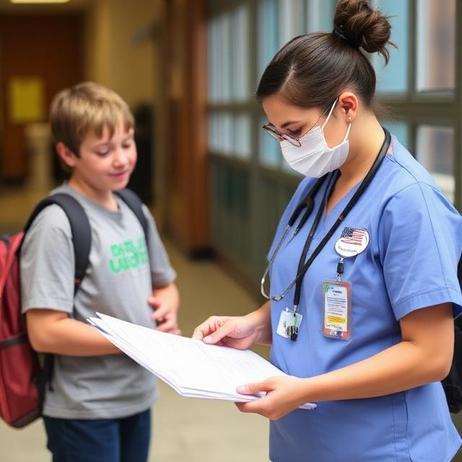
Behind the Scenes of Public School Cafeterias
Explore how public school cafeterias operate, from nutrition standards to budgeting and daily logistics in 2026.

Public school cafeterias do far more than serve lunch. They are part nutrition program, part logistics operation, part public health effort, and part school support system. For many families, the cafeteria is one of the most visible ways a school shapes a child’s daily experience. What students are served, how quickly meals move through the line, and whether food is appealing enough to eat all matter more than many people realize.

In 2026, public school cafeterias are also operating in a more demanding environment. Districts are adapting to updated federal nutrition rules, persistent labor pressures, and continued concern about food costs and student participation. At the same time, families are paying closer attention to how schools support health, attendance, and readiness to learn. Understanding what happens behind the scenes offers a clearer view of how cafeteria operations connect to the larger mission of public education.

Public school cafeterias are part of the academic day

It is easy to think of the cafeteria as a separate service that sits alongside instruction. In reality, school meal programs support learning conditions in practical ways. The Centers for Disease Control and Prevention notes that school meals are associated with better overall diet quality, and that eating breakfast at school is linked to better attendance, fewer missed school days, and better test scores. That makes cafeteria operations more than a convenience; they are part of the infrastructure that helps students arrive in class ready to focus.

This matters for families evaluating

. . .read more

Public School Immunization Requirements 2026–2027

Updated
|
Public School Immunization Requirements 2026–2027
Learn public school immunization and health requirements for 2026–2027, including vaccines, exemptions, and state policy updates.

Public school immunization and health requirements for the 2026–2027 year remain a cornerstone of student safety and community health. As schools continue to balance in-person learning with evolving public health guidance, families must stay informed about required vaccines, updated policies, and documentation standards.

While immunization laws are set at the state level, there is broad national consistency in core vaccine requirements. At the same time, recent policy adjustments and public health developments have led to important updates for the 2026–2027 school year.

This guide provides a clear, up-to-date overview of what parents, students, and educators need to know.

Why Immunization Requirements Matter in Public Schools

School immunization requirements are designed to protect both individual students and the broader school community. By maintaining high vaccination rates, schools reduce the risk of outbreaks of preventable diseases such as measles, pertussis, and meningitis.

According to the Centers for Disease Control and Prevention, vaccines prevent millions of illnesses each year in the United States alone. In a school setting, where students interact closely, these protections are especially critical.

Key benefits include:

  • Reduced spread of infectious diseases
  • Protection for medically vulnerable students
  • Fewer disruptions to in-person learning
  • Lower absenteeism rates

For the 2026–2027 academic year, states continue to emphasize compliance as a prerequisite for school attendance.

Core Public School Immunization Requirements for 2026–2027

Although requirements vary slightly by state, most public schools follow a standard set of immunizations aligned with CDC recommendations.

Required Vaccines

Students enrolling in public schools are

. . .read more

Public Schools in a Minute: 2026 Snapshot Guide

Updated
|
Public Schools in a Minute: 2026 Snapshot Guide
A clear 2026 snapshot of public schools in the U.S., including enrollment, funding, trends, and what families should know.

Public schools in a minute, that is the goal of this guide. For parents and students navigating today’s education landscape, having a clear, concise understanding of public education is more important than ever. While the system is vast and complex, a few key data points and trends can quickly bring the big picture into focus.

In 2026, public schools will continue to serve as the backbone of American education, educating the overwhelming majority of K–12 students. Yet they are also evolving in response to demographic shifts, funding challenges, technology integration, and growing school choice options.

This updated snapshot offers a fast, fact-based overview of public schools today, along with deeper context to help families make informed decisions.

What Are Public Schools?

Public schools are taxpayer-funded institutions operated by local school districts and governed by state and federal guidelines. They are free to attend and open to all students within a designated geographic area.

Key characteristics include:

  • Funded primarily through state and local taxes

  • Required to follow state curriculum standards

  • Staffed by certified teachers

  • Accountable through standardized testing and public reporting

For a closer look at how public education compares to other options, see Public School vs Private School: Key Differences.

Public Schools by the Numbers (2026 Update)

Here is a quick “in a minute” statistical snapshot of public schools in the United States:

Category

2026 Estimate

Total public schools

~98,000

Total students enrolled

~49 million

Average class size

20–25 students

High school graduation rate

~87%

Students eligible for free/reduced lunch

~52%

According to the National

. . .read more

A History of Public Schools in America (2026 Update)

Updated
|
A History of Public Schools in America (2026 Update)
Explore the history of public schools in the U.S., from early beginnings to modern reforms, with key milestones and 2026 insights.

Understanding the history of public schools offers valuable insight into how today’s education system evolved and where it is headed. From informal colonial classrooms to a nationwide system serving over 49 million students, public education in the United States reflects the country’s social, political, and economic transformations.

This updated look at the history of public schools traces key milestones, influential reforms, and modern developments shaping education in 2026.

Early Foundations: Education in Colonial America

The roots of public education in America date back to the 17th century. Early schools were often locally organized and funded, primarily to promote literacy for religious purposes.

In 1647, Massachusetts passed the “Old Deluder Satan Act,” requiring towns to establish schools so children could learn to read the Bible. While not “public schools” in the modern sense, these institutions laid the groundwork for community-supported education.

Key characteristics of early schooling included:

  • Limited access, often restricted to white males

  • Strong religious influence

  • Local funding and control

  • Basic curriculum focused on reading, writing, and arithmetic

Education was not yet considered a universal right. That idea would emerge much later.

The Common School Movement: A National Vision Emerges

The early 19th century marked a turning point with the rise of the Common School Movement, led by reformers like Horace Mann. These advocates argued that education should be:

  • Free and publicly funded

  • Universal and accessible to all children

  • Nonsectarian

  • Taught by trained teachers

Massachusetts became a model for other states, establishing tax-supported public schools and

. . .read more

Recent Articles

AI Report Cards: Should Schools Evaluate AI Use?
Explore whether schools should assess student AI use, the benefits, risks, and what responsible AI report cards could look like in 2026.
The Parent’s Guide to School Cell Phone Bans in 2026
Learn how school cell phone bans work in 2026, why districts are adopting them, and what parents should expect.
Parental Involvement in Public Schools: 2026 Update
Explore the latest 2026 trends, research, and strategies shaping parental involvement in public schools and student success.

About Public Schools

OVERVIEW OF PUBLIC SCHOOLS
A comprehensive look at the U.S. public school system, including history, governing bodies, funding, and services. Compare private, public and charter schools. Learn more about Magnet school programs and get tips on choosing the right school for your child.
TYPES OF PUBLIC SCHOOLS
Explore the different types of public schools, from charter to language immersion, and learn about the unique pros and cons of each type. Is a co-ed or single sex classroom best for your child? Charter school or magnet? Read expert advice and get valuable tips on the various public education programs available and how to choose what works best for your family.
TECHNOLOGY ON CAMPUS
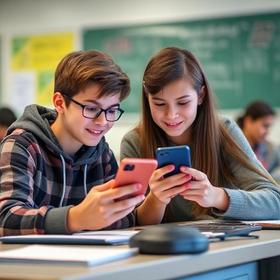
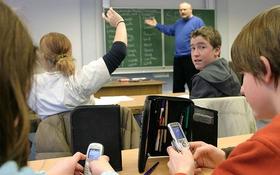
From eBooks to web cams, technology on campus continues to grow. Learn how the latest technology impacts your child’s education. Get tips on the best ways to integrate technology into education and stay abreast of the latest developments and challenges facing schools.
HEALTH AND NUTRITION AT SCHOOL
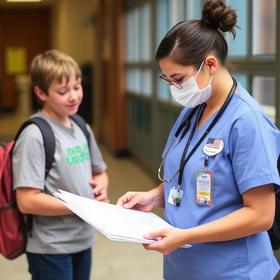
From vending machines to Jamie Oliver, bed bugs to tuberculosis, we provide an in-depth look at health and wellness in public schools. Help your kids stay healthy on campus and learn about current health epidemics, vaccination requirements, physical fitness programs and the latest food initiatives.
BACK TO SCHOOL
Learn more about preparing your child and wallet for a new school year. Inside you’ll find valuable advice to help your family prepare for the transition from swimsuits to school. While there is no tuition, public school education does not come without costs. Learn more about budgeting for a new school year and get great money saving tips.
STUDENT POPULATIONS
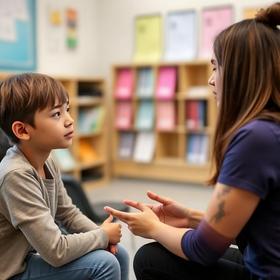
The latest trends, laws and resources for a variety of student populations. Every child has different needs, and this section offers helpful information for LGBT, special education, gifted, low-income, and minority students.


Notice: Javascript file does not exist: /home/devsarath/workspace/psr/public_html/javascript/components/popper.min.js in /home/devsarath/workspace/shared/misc/JSCompiler.inc.php on line 242

Notice: Javascript file does not exist: /home/devsarath/workspace/psr/public_html/javascript/components/tippy.min.js in /home/devsarath/workspace/shared/misc/JSCompiler.inc.php on line 242

Notice: Directory does not exist in /home/devsarath/workspace/shared/misc/JSCompiler.inc.php on line 242

Notice: Unable to save compiled js file in /home/devsarath/workspace/shared/misc/JSCompiler.inc.php on line 242